Michael Lange's FLUSS

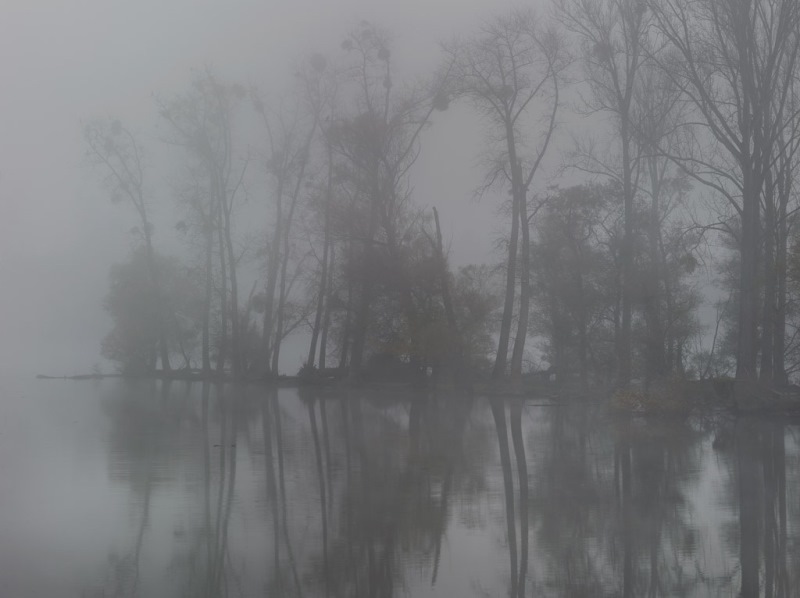
(above: Michael Lange, "#8953" from the series FLUSS)

We have long been fans of the photography of Michael Lange, ever since we saw his exhibition WALD (Forest) at a gallery on Auguststraße in Berlin, back in 2012. Now he has a new series, titled FLUSS (River) which is being shown at an exhibition at the Robert Morat Galerie in Hamburg until the 9th January 2016.

In many ways you can see the new collection as an extension of the photographs from the WALD series as once again the characteristic element in the photographs is the stillness and beauty of the natural world. The FLUSS series has also been published as a book by Hatje Cantz, and the press text from the release earlier in the year gives something of a flavour of the photographs contained within its pages:

With its scenic beauty and myth-enshrouded past, the Rhine has always been a popular subject in art and literature. One of the longest rivers in Europe, it inspired the masters of medieval panel painting as well as the Romanticists and the representatives of the classic modern era and contemporary art. Between 2012 and 2014, the photographer Michael Lange (*1953 in Heidelberg) devoted his attention to the waters of the Upper Rhine. Taken with a large-format camera, his photographs tell of the longing for tranquility and the desire to lose oneself: they present secluded places, areas of water veiled in fog and traversed by mysterious reflections, at dusk. Subtle shading and color gradation give rise to compositions of atmospheric density and intense clarity.

From the forest to the river, Michael Lange’s photography captures that moment that any wanderer through the trees or along the embankment can recognise. The soft mist above a still, glassy surface. The footpath after the rain, as drops continue to fall from the trees even as the sky begins to clear. A walk through the gloaming in what your city-battered ears think at first is silence but then, as you stand as still in the scene as if you had been captured by Lange’s camera, you realise that there are many, many sounds to be heard.

Just looking at the images of FLUSS or WALD makes you want to catch the train to the edge of the city and go for a walk. And in our world, that is the best compliment we can give to a writer, an artist or a photographer.

Michael Lange’s FLUSS is showing at the Robert Morat Galerie in Hamburg until 09.01.16. The book, with text in English and German, is published by Hatje Cantz and is out now.

Elsewhere editor Paul Scraton wrote about the previous collection - WALD - in December 2012 on his blog Under a Grey Sky.


Printed Matters #1 - The Gallery

A couple of days, and a couple of sleeps, later and we are able to bring you some images from our first Printed Matters event, held on Saturday afternoon at the wonderful Jää-äär cafe in Berlin. Having opened the book stall at lunchtime with the snow turning to sleet outside the front door, it was a brave and perhaps foolhardy gang who joined Elsewhere editors Paul and Marcel on their wander through the neighbourhood, hearing tales of 19th century industrialisation, the division of the city, punk concerts in the GDR and a first kiss in a cafe where anti-Nazi pamphlets were once printed in the basement.

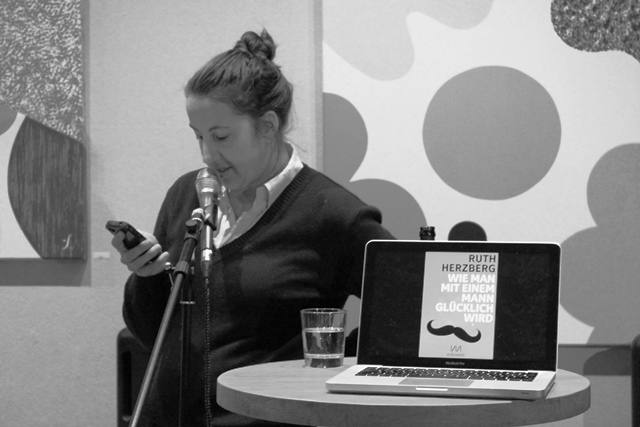
Once back inside, and warmed by the Estonian schnapps that became something of a theme of the day, it was time to settle down for some readings, conversation and of course browsing of the fourteen different print and publishing projects that had joined us for the afternoon. After Paul and Marcel had led things off with readings from Elsewhere No.02, we welcomed to the stage Nicky Gardner from Hidden Europe, Amanda DeMarco from Readux Books, Ruth Herzberg and Nikola Richter from Mikrotext, Lucy Renner Jones from SAND Journal, and Jacob Sweetman from No Dice Magazine. We are extremely grateful to all our readers, and also the editors and writers from all the projects, as well as everyone who took time to join us for the afternoon.

If you could not make it to Berlin or the Jää-äär on Saturday, over the past week we have been profiling all the participating projects here on the blog, and you can browse the archive here. All that is left to say is thanks again to everyone who dropped by and remember, support independent publishing!

South to the Lizard

By Ellie Broughton:

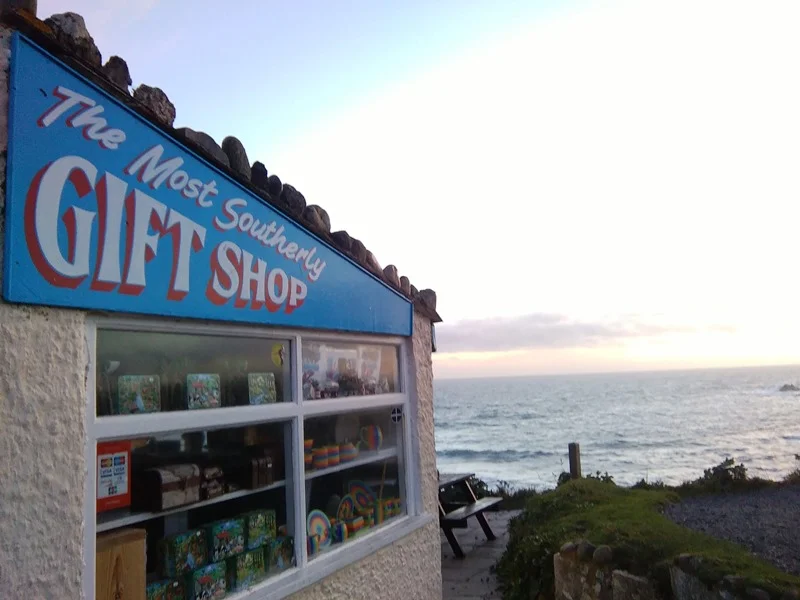
It wasn’t my idea to come down to Lizard in November. But here I am, next door to Britain’s most southerly gift shop and Britain’s most southerly lattes and staying in Britain’s most southerly mainland lighthouse.  My bedroom for the week sits under the great beam of a hundred-year-old Faraday lens, which every night spins a steady 60rpm from 5.30pm to dawn. 

There's nothing like going on holiday to a giant literary trope to get you writing. You have something to agree with, and more importantly something to fight against, because there it is shining in your window at 4 o'clock in the morning when your hangover arrives. There it is sleeping like a dragon in the day time. There it is in the twilight, waiting for you to come home like a dog at the door. And there it is stretching out its rays to you like arms when you stumble home from the pub at midnight.

There it is calling like a dinosaur through time and space, even though everyone had GPS nowadays and doesn't need lighthouses any more.  And there it is like a crocodile at the end of a Werner Herzog film, defying the progress of time. Even though all ships have GPS, still we sometimes set it wrong. And what you need then is a whacking great lamp. 

I can’t take credit for this epic holiday brag. Jen, who booked the 12-person rental, is doing a PhD in fog horns, and there’s one at Lizard Lighthouse. The rest of us just tagged along.  Most of us started the trip on the other side of the country, leaving London or Essex for a six-hour drive to the far edge of the country.  The sun came out while we rolled down the A303, rubbernecking at Stonehenge. By the time we arrived at the coast we were faced with a pink sunset too Instagram to Instagram. 

Low season has its consolations. November, though bleak, has bigger seas than summer. The waves leap higher, the surf crashes louder and the foam sits thicker than a stoner comedy. Pasties taste as good eaten in in the wind and rain as they would do on a sandy picnic blanket in the sun. And it’s dead quiet. We had Barbara Hepworth’s studio garden to ourselves. In the fair weather we invented games like Catch The Spume and Run In, Run Out. We even had a quick “swim” in the grey sea at St Michael’s Mount. 

But despite the amazing scenery, the pub was still my favourite bit. On the first night we went up to the pub in Lizard village. After a couple of pints of Proper Job and Cornish Chough, we set off back down the lane for home at a tame 10pm. It was coming on to rain. I cleared the last bend in the road to see our two white towers on the clifftop.

The lighthouse was broadcasting a mile-long butter-coloured beam through the drizzle. It swang over the black Atlantic and stroked the black fields like a finger. We left the light on, someone joked.  That first night I fell asleep on my own in a single bed, watching the white lintel light up and fade with the glow of the lamp. At 6am, I woke to the high pulse of the foghorn, more reassuring than a bedmate's snores. 

Ellie Broughton is a writer from London. On Twitter she's @___ellie

Postcard from... New York

By Katrin Schönig:

It is late autumn. The smell of thyme is in the air and I can feel the sun burning in my face. My eyes are watering from all the dust while the rhythmic sound of sledge hammer is my constant companion.

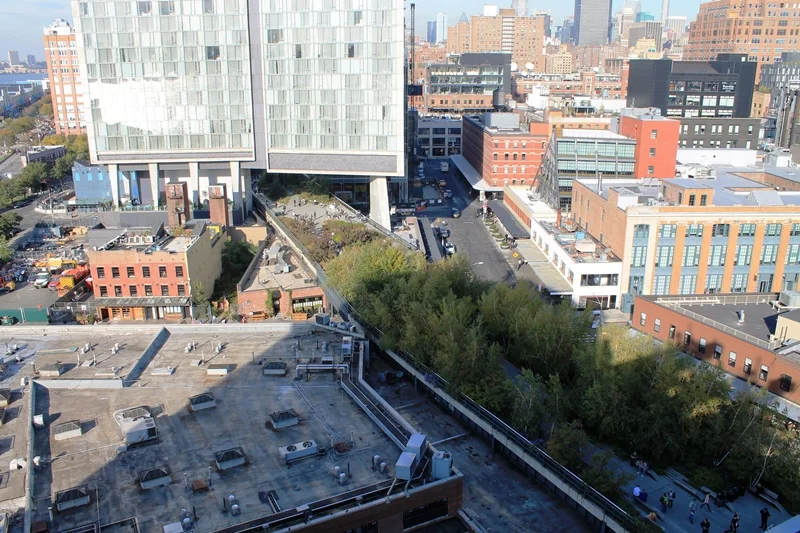
I am walking along the Highline in New York.

I expected to be able to escape the city but I am right in the middle of it. Many people are walking with me; kids following their teachers while chatting away; tourists taking more pictures than they will ever look at; student sketching;  bankers in their suits looking for a bench for their lunch; a few, the crazy ones, are even jogging.

We are all following the old railway line. On the left many empty trains wait to be taken out of the yard, while on the right a lonely standup paddleboarder is fighting the waves of the Hudson river. Our steps take us between skyscrapers and massive building blocks, surrounded by the different colours of autumn as we cross busy intersections. Gardeners are tending the green while young sportsmen are doing a photoshoot.

It is just like New York. Busy. Beautiful. A different world.

Printer Matters - Fireflies, The Reader and Round not Square

On the 28th November we are hosting Printed Matters #1 - a celebration of Berlin’s indie publishing scene that we are very proud to be a part of. We are also very much aware than many of our readers are not in Berlin, and so we want to use the opportunity to present some of our friends here on the website. Here are three more very different publishing projects based in Berlin:

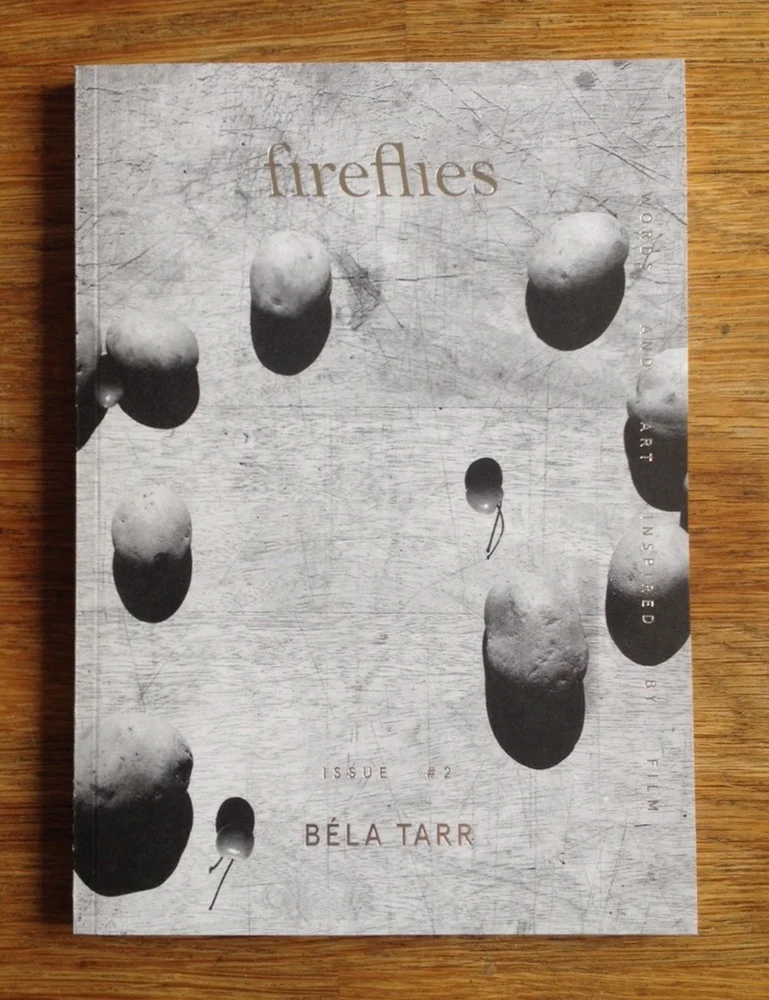
Fireflies

With two homes, Fireflies is a print film magazine with one foot in Melbourne, Australia, and the other with us here in Berlin. Each issue brings together an international group of writers, artists and critics to celebrate the work of two extraordinary film directors through personal essays, creative responses and exclusive interviews with the filmmakers. Fireflies passionately expands the possibilities of film criticism, inviting audiences to discover and explore treasures of world cinema, and past issues have explored Pier Paolo Pasolini, Apichatpong Weerasethakul, Béla Tarr and Abbas Kiarostami. The upcoming Issue #3 celebrates the cinema of Claire Denis and Jia Zhangke.

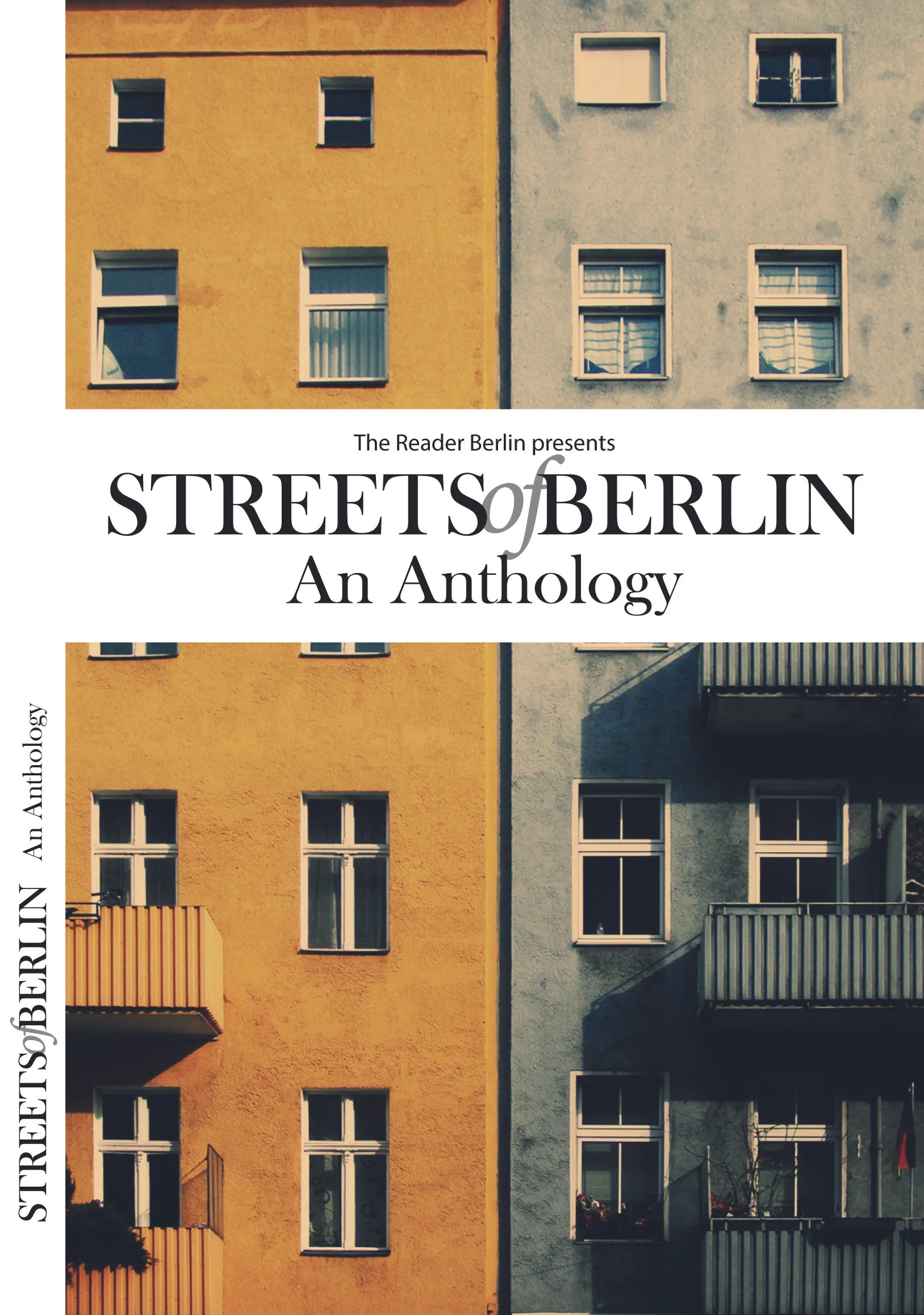
The Reader Berlin

We have known Victoria Gosling and The Reader Berlin for a long time, have benefited from her editorial advice, been involved in The Reader’s workshops and seminars, enjoyed the results of the short story competitions, and are now really pleased to be able to present the Streets of Berlin anthology at Printed Matters. This collection of ten award-winning short stories was published in September 2015 and it showcases the distinctive voices of ten emerging talents. United only by the city that inspired them, they bear witness to one of the world’s greatest, most mutable cities: Berlin.

Round not Square

Of all the projects we have presented on the blog over the past week or so, it is Round not Square that makes us most sad for the people that won’t be able to experience the project in person. Round not Square is devoted to the reinvention of scrolls, reviving a format that was the main means of reproducing content back before the invention of bookbinding and other publishing methods we take for granted. Why do they do this? Well the good folks at Round not Square argue that this allows them to eliminate pagination and create a real flow of storyline, allows them to print imagines larger than book formats would allow, and of course, because of the aesthetic quality of such a striking object. If you can join us in Berlin on Saturday, you can see for yourself!

Printed Matters - SAND, mikrotext and GIER

On the 28th November we are hosting Printed Matters #1 - a celebration of Berlin’s indie publishing scene that we are very proud to be a part of. We are also very much aware than many of our readers are not in Berlin, and so we want to use the opportunity to present some of our friends here on the website. Today we bring you three very different publishing projects from Berlin:

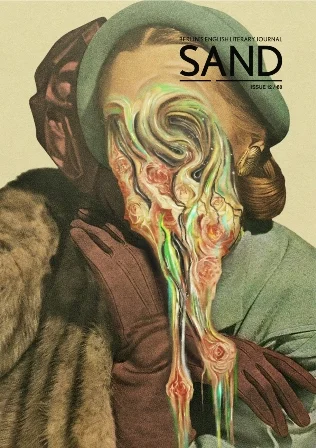
SAND Journal

With twelve issues under their belt, SAND is something of an institution in Berlin’s English-language literary scene. Published twice a year, SAND features prose and poetry as well as translations, art and photography. At the same time, they collaborate with musicians, literary festivals and artists cooperatives - and now us! - to hold regular events in the city. Their stated aim is to offer a printed space for art and literature in Berlin’s international community and beyond. Not only will the good folks from SAND be at Printed Matters with copies of their journal, author Lucy Renner Jones, who appears in issue 11 of SAND, will be joining us on stage for a reading

miktrotext

Every three months mikrotext publishes two ebooks that are thematically linked, focused on literary texts that comment on contemporary questions and offer insight for the future. The texts reflect global debates and are published in German, with selected titles also available in English. But what is an ebook publisher doing at Printed Matters? Well, they are also moving into print and will have some printed versions of their books available at the event. We are also extremely pleased that they will also be reading for us: Wie man mit einem Mann glücklich wird with Ruth Herzberg, and The Smartest Guy on Facebook by Aboud Saeed, read by Nikola Richter.

GIER Magazin

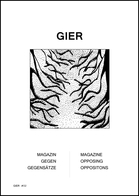
The brainchild of Diana Arnold and Natalie Stypa, who met in Berlin in 2003, GIER Magazin is a bilingual publication (German and English) that is dedicated to “opposing oppositions”, a cultural studies magazine interested in art, gender and feminism (among other topics) that intends to question binary thinking. In the words of their manifesto: Binary oppositions – e.g. Mann | Frau (man | woman) – function as categories that are filled with texts, images etc. which question or deconstruct the opposition. GIER starts with 3 such opposing pairs. More pairs will be added. Each pair will be filled with new contents (i.e. the categories aren't limited to only one text, image etc. each). We are extremely pleased to be welcoming GIER to Printed Matters, and we are sure there will be some interesting conversations to be had on Saturday afternoon!

Printed Matters - Slow Travel Berlin and Readux Books

On the 28th November we are hosting Printed Matters #1 - a celebration of Berlin’s indie publishing scene that we are very proud to be a part of. We are also very much aware than many of our readers are not in Berlin, and so we want to use the opportunity to present some of our friends here on the website. Today we bring you two projects that are very close to our heart:

Slow Travel Berlin

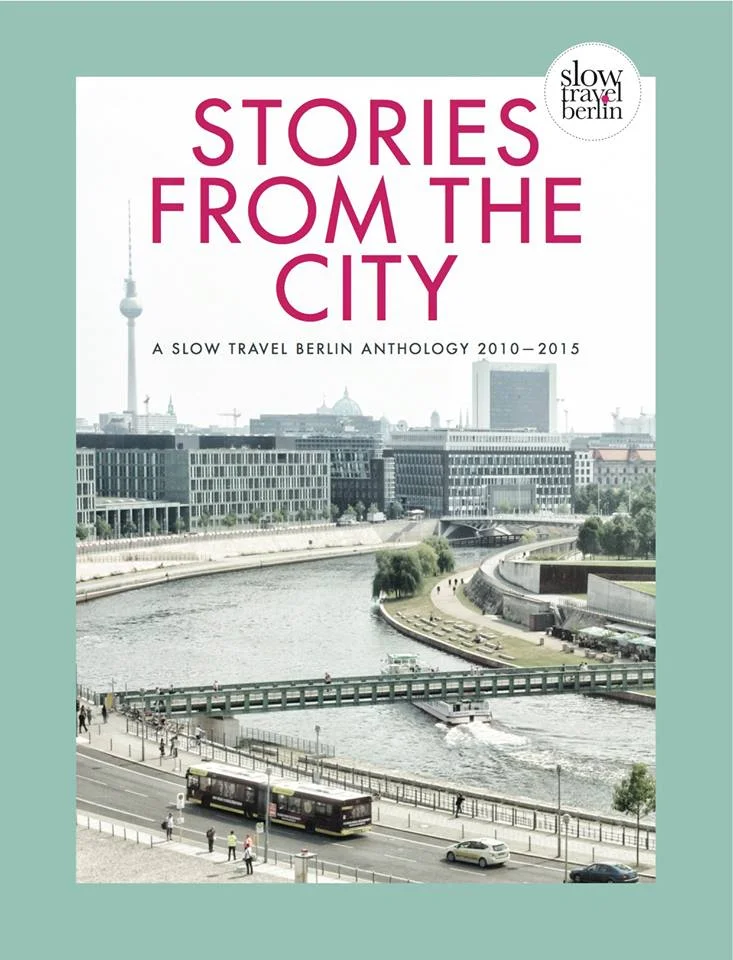
What is Slow Travel Berlin? First of all it is a website, filled with incredibly informative content that over the last five years has become the indispensable resource dedicated to a deeper and more intelligent exploration of the city, not only for the inquisitive visitor to the city but for locals alike. Second it provides a guide to what’s on in the city, and guides to different corners of Berlin via a series of walks, tours and workshops. And third it is a publisher, producing a number of books and other print projects including 100 Favourite Places, Mauerweg: Stories from the Berlin Wall, and recently Stories From The City, an anthology from the first five years of Slow Travel Berlin

Elsewhere and Slow Travel Berlin are strongly linked. Marcel, Paul and Julia have all contributed to various parts of the project, from articles for the website, work on the books, and leading tours through the streets of the city. So there was no question that we would approach Paul Sullivan, the founder and guiding light of Slow Travel Berlin for Printed Matters #1, and we are really looking forward to seeing him and many other members of the Slow Travel community on the 28th November.

Readux Books

There were many inspirations when it came to launching Elsewhere: A Journal of Place, and Amanda DeMarco was certainly one of them. With energy and commitment, as well as good taste, Amanda founded and runs Readux Books, a publisher of short works of (mostly) translated literature. These tiny books fit in your pocket, cost the same as a beer and are better for you. Published in sets of four, the first set was released in October 2013 and recently the sixth series was released. Titled ‘Weird Sex’, the four books explore the essential strangeness of sex and offer their seductive genre of literary pleasure.

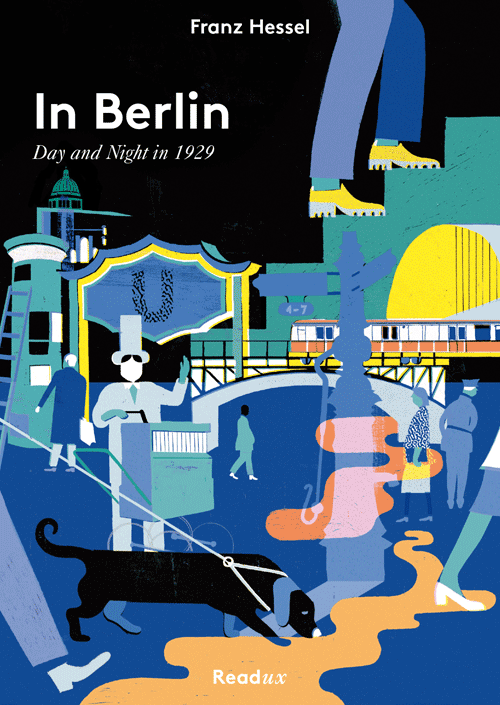
Over the course of six series Readux have also published a number of titles related to the city of Berlin, including David Wagner’s Berlin Triptych, Arthur Eloesser’s Cities and City People: Berlin, 1919, Annett Gröschner’s City Spaces, and The Idea of a River, by Elsewhere editor Paul Scraton. At Printed Matters #1 Paul will speak with Amanda about the project and another Berlin book published by Readux, In Berlin by Franz Hessel. Amanda translated the Hessel book herself, and after the conversation will share with us a reading from the work.

Printed Matters - archiv/e, Heimat Zine and No Dice

On the 28th November we are hosting Printed Matters #1 - a celebration of Berlin’s indie publishing scene that we are very proud to be a part of. We are also very much aware than many of our readers are not in Berlin, and so we want to use the opportunity to present some of our friends here on the website. Today we bring you three very different publications from our home city:

archiv/e magazin

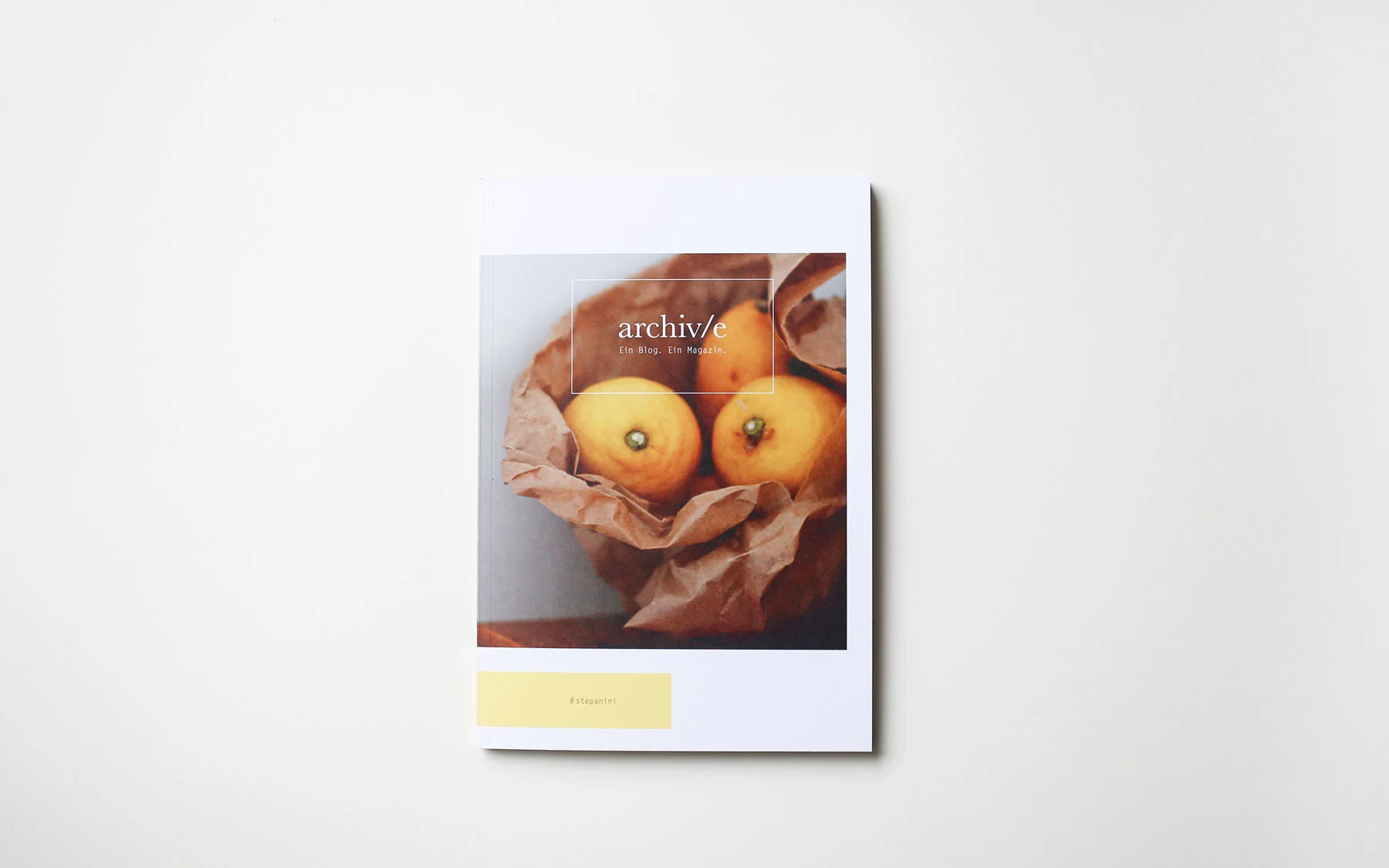
Bring digital to print. That is the philosophy behind archiv/e, the first edition of which was published this September following a successful crowdfunding campaign. The idea of this German-language publication is a relatively simple one: to turn a particular blog into an object you can hold in your hands. The editors take the words and images from the blog which are in turn arranged and connected in new ways, and the whole thing is introduced by the blogger themselves. For the first issue of archiv/e, which you will be able to hold in your hands at Printed Matters #1, the focus was the blog stepanini, her thoughts, book reviews and recipes.

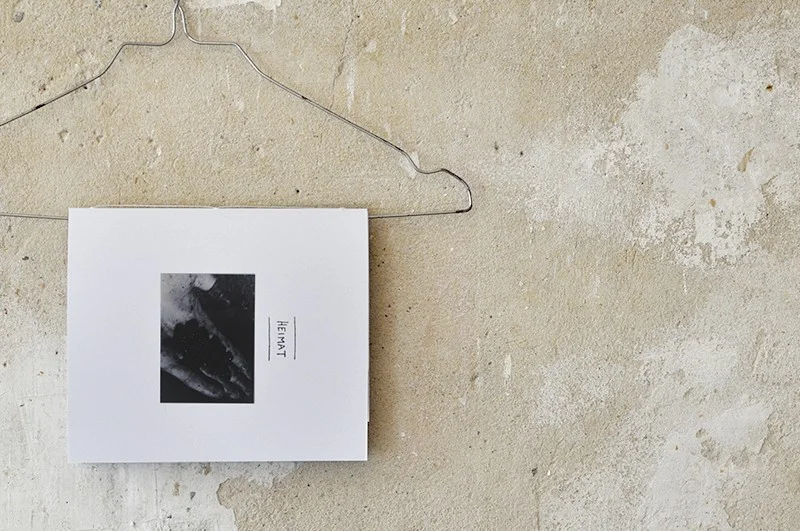
Heimat Zine

The German-word Heimat is of course interesting for us at Elsewhere, dealing as we do with the concept of place. Heimat is often translated into English as ‘homeland’, although that is not completely accurate as it misses the sense of belonging attached to this specific connection to place. Heimat Zine is an independent, handcrafted magazine with a small print run that aims to relocate the reader through its pages. The first issue deals with the idea of Heimat itself and what emotions the word can provoke (from the kitsch to the sepia-toned), while the second issue deals with the link between food and heimat, and the third is dedicated to secrets.

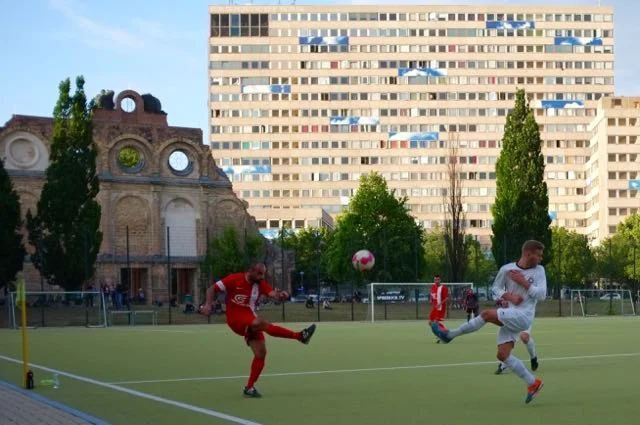
 No Dice Magazine

This English-language magazine is also firmly rooted to the idea of place, being as it is dedicated to football and football culture within the city of Berlin. Eleven issues old, No Dice explores Berlin’s football scene from the Bundesliga in the Olympiastadion to the local fixtures watched by one man and his dog (plus the intrepid reporter) and through the articles uses sport to get to grips with many of the issues of our city, from immigration to troubled history, as well as of course the thrill of the last-minute derby winner and the melancholy of a nil-nil draw in Lichterfelde. The team from No Dice will also be hosting a reading at the Printed Matters event and we are looking forward to hearing them talk about Berlin football culture… and if you see them, don’t forget to ask them where the name comes from.