Neon

IMAGE: Jeanette Farrell

IMAGE: Jeanette Farrell

By Jeanette Farrell:

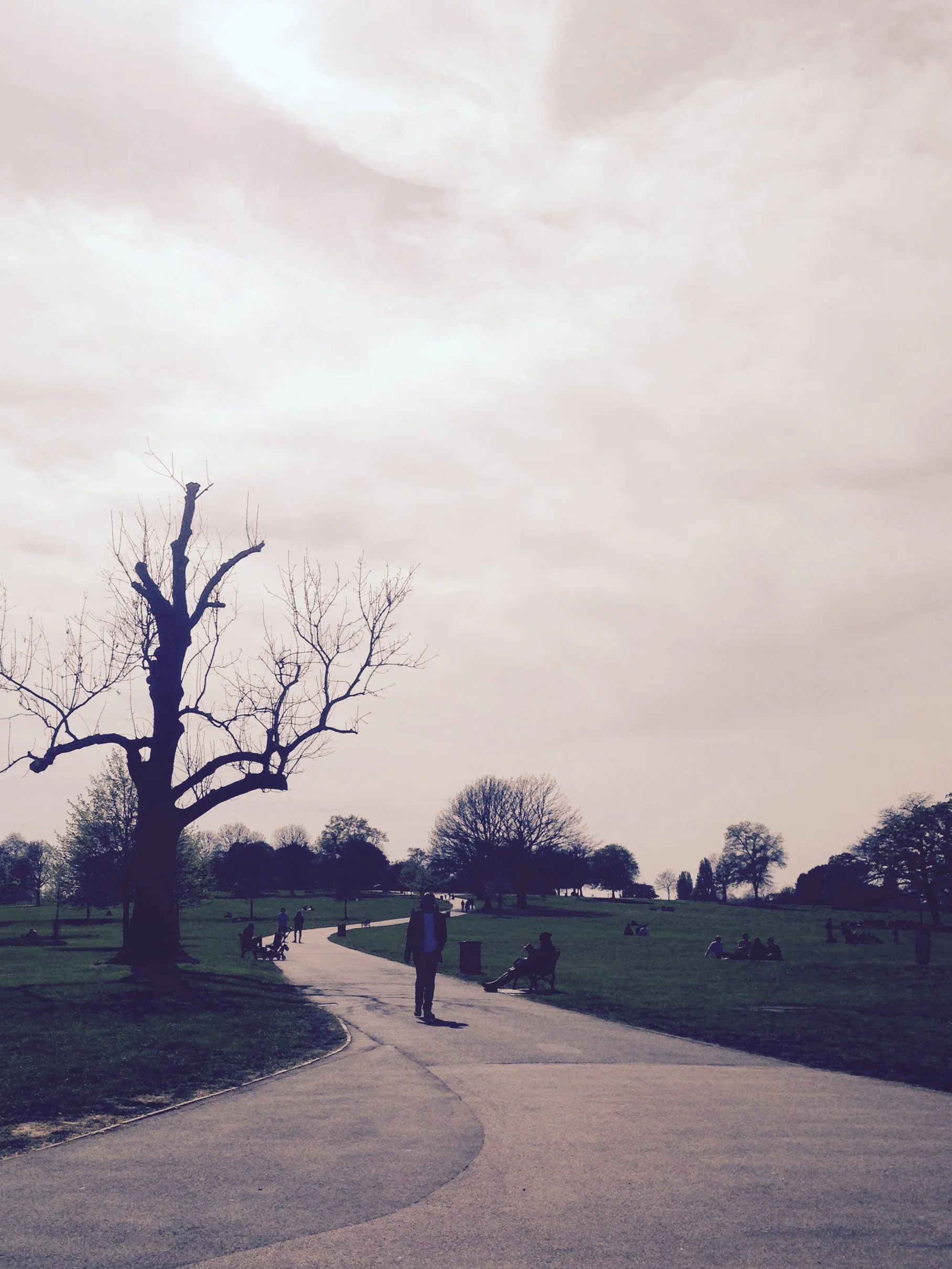
Come spring time everybody migrates towards the park; it’s as if the humble daffodil emits an ultrasonic soundwave and suddenly there we all are, an entire borough marching in unison towards our gated hill all filled with colour and squealing and light. We are boisterously reclaiming our place in a city whose tightly woven streets can deaden the clatter of our chat and so, the park, come Spring-time, this is our release. 

Brockwell Park reveals itself on a slope with its grand house perched on top. Surrounded on all sides by a densely compacted population in one of the biggest metropolises – everybody is there and there isn’t a continent unrepresented in multiplicity. Cities absorb people by portioning us off into offices and houses and pubs and buses and so out there in our urban meadow, that’s where we mingle. There’s the skate park and the lido, quaint markers of the athletic desires we presuppose is our reason for being there; that we’ll run and stretch and swim, dipping in and out of the ever confounding combination of Brixton’s noise. But most of us are content with the prospect of lying down on the grass. 

There is a comforting familiarity to Brockwell Park, an unsophisticated elegance of ritual through which we make it our own year after year once the grey recedes. Here, the idea of public space is at its most civic; we walk around as if it were an extension of our own home, knowing its pockets and its shade. 

While basking in this kind of outdoor domesticity we feel content that everything has its place and pace. The sky will change throughout the day and we will retreat beneath the trees in a pantomime of weather, watching the rain beneath sheltering branches. Nurseries will empty and the park will fill up. School children will linger/rabble-rouse eating chicken and chips, tumbling into each other from gate to gate and watchful locals will sit on drift wood taking it all in. There will be dogs and there will be roller bladers, there will be cans of lager and weed in the air.  And then all of a sudden this spell of the expected is broken with the shrill warble of the neon green parakeet and we look up to stare at this glamorous interloper. 

We’re not really meant to have these beautiful birds around here and yet they thrive, roosting in tall trees and causing ruckus with that noise they make. There are lots of theories to account for their presence; that a couple absconded from Ealing Studios and populated the landscape; that a gang of them escaped from an open container at Heathrow airport; that an aviary collapsed during a storm; that the original pair belonged to David Bowie, or to Jimi Hendrix. They are a mad dash of colour amongst the rich green of this cloistered pocket of south London. They’re not gentle and serene like this dream of spring time and routine, they are flying fluorescent chaos. Apparently there are thousands of them about, an anomaly in an otherwise textbook geography but the first time they’re encountered they’re like a mirage – ‘a parakeet, that couldn’t be!’

Now when they’re spotted, or heard, rather it’s like welcoming an eccentric old friend. Thank goodness for the parakeets, we think.  A gentle nudge to remind us that anything is possible, that this world, regimented and predictable though it is, is unbelievable too. 

Jeanette Farrell is a writer based in London. 

Postcard from... the Rakotzbrücke

IMAGE: Katrin Schönig

IMAGE: Katrin Schönig

By Paul Scraton:

The basalt columns reach out from the sandy soil to create perfect hiding places for the mystical creatures of the forest as they move down to the water’s edge. The stones tumble into the gloomy lake, as if to provide a landing stage for the creatures lurking in the depths. And the bridge curls in an arch from one bank to the other, its reflection in the lake creating a perfect circle. 

This is, surely, the devil’s work.

In this corner of Germany, close to the Polish border, the Rakotzbrücke has also been long known as the ‘Devil’s Bridge’, but in reality the structure, along with the basalt columns and the other rock formations that stand at the water are the work of very human hands. The bridge is at the heart of the Azalea and Rhododendron Park in Kromlau, Gablenz; a landscaped garden created in the 19th century by the local landowner along ‘English’ lines. With the end of the Second World War the park became property of the local community, and since 1948 it has been protected as a nature reserve.

But despite the fact that you know this structure was created by mortal hands, and despite the queue of photographers at the head of the lake, looking for the perfect angle to capture the perfect circle, it still has a strange impact when you approach it through the woods. It could be the stage set for some fantastical film or HBO series. It could be the nocturnal playground for all manner of beings. And it is not hard to imagine it as a playground for those mystical creatures of the forest, even if they themselves have no idea how it got there.
 

Train

IMAGE: Sam Eadington

IMAGE: Sam Eadington

By Sam Eadington:

England is best seen from the train. The rolling landscapes of the patchwork quilt; the sheep, the horses, the cows, the deer; the noble oaks, winding streams, drystone walls and disciplined hedges. They’re all a part of it. There are the sprawling suburbs of bad brick banter, saloon-skinned culs-de-sac snakes of mini-mansions less than a yard apart, but importantly detached. That sense of independence, of possession, it matters, and transcends the shuddering windows to the carpeted isle where it blooms into righteous indignation with every incident of seat reservation noncompliance. It’s from the train you see England’s character exposed, its emotions raw, its real metal. Metal fences, metal wire, metal buildings, metal thieves; responsible for your delays. You are apologised to for the inconvenience this may have caused to your journey. You are apologised to again and again. Sorry, I nearly touched you. Sorry, can I just squeeze past. Sorry, this is my stop. Hopefully not a ‘Parkway’ stop, though. The new boys in town. Or more accurately the new boys out of town, where you’re guaranteed either a massive car park or a power station. Although, on second thoughts, perhaps not so unfitting for the dystopia Turner foresaw; hissing water falls, cooled, onto a concrete floor from a concrete tower, that train doesn’t stop at this station, just forces you behind the yellow line, a contemporary rendition of what was once called sublime. 

You’re back on the train flying through paintings. All those hedges, how blurry; impressionist. Then a tree shoots into focus stretching its arms into the sky still half asleep. Then more hedges, not blurry anymore. Sharp and predatory, judging by the huddle of deflated footballs gathered at their feet. Yet more hedges, but these ones looking fresh after a perpendicular swivel and slide between the stretched out gardens. So many trampolines, but nobody bouncing. There are lovely big windows but all the curtains are closed as if I might see something of you I shouldn’t, then see you again in town and tell you what I saw. There are tiny little windows on brand new houses, half glass, half white plastic frame, not even big enough to poke your head out for a smoke. 

Another station, another WHSmith, another poster about something Jesus said. Must be true, I’ve seen the same thing in Cheltenham, Doncaster, Swindon and Crewe. Corroborated evidence; not worth a thing anymore. The trolley rattles closer with its nervous disposition and although I’m not at all hungry I want to eat. Was this not the point of crisps? A bag of prawn cocktail, I can’t get those abroad. With an hour to go I fill my ears with noise I can choose. Pulp. I turn the volume right up and damage my ears so I don’t have to hear the businessman and his vacuous words. I pity the person on the other end of the line. I close my eyes and let Jarvis take me back in time.

Sam Eadington is a freelance writer, architecture student, and co-founder of design studio Estudio ESSE. Twitter: @SamEArch. Website: estudioesse.com
 

From the hills above Frigiliana, Andalusia

IMAGE: Marcel Krueger

IMAGE: Marcel Krueger

By Marcel Krueger:

I guess it was worth it, schlepping my overweight, 39-year old body up the hill. I had set out early in the morning and walked through the valley of the Higueron river, with the white houses of Frigiliana disappearing to my left and the Chillar ridge rising up to my right. Then I huffed and puffed up the 400-meter hill, and now sit on a stone on top of the ridge, with the brown and green flanks of the Sierra de Enmedio rising into the blue sky, early bees are busy around me in the morning sunshine, and across the Mediterranean I can see Africa through the haze. But as this is the Anthropocene, there is also the surf of the nearby coastal motorway soundtracking it all.

Before I make my way down the hill and to breakfast again, I wonder what a Castilian foot soldier might have thought, when stomping through the same hills hunting for Moriscos, descendants of Muslims under Castilian rule who were in rebellion in the 16th century. Probably the same thing foot soldiers have thought from the Crusades to Auschwitz: 'The man paid me for it, so best get over with it'. 

Elsewhere No.05: Submissions Deadline on Friday

IMAGE: Julia Stone

IMAGE: Julia Stone

For all you writers and visual artists out there, just a quick reminder that our deadline for submissions for Elsewhere No.05 – to be published in June 2017 – is this coming Friday on the 31 March. 

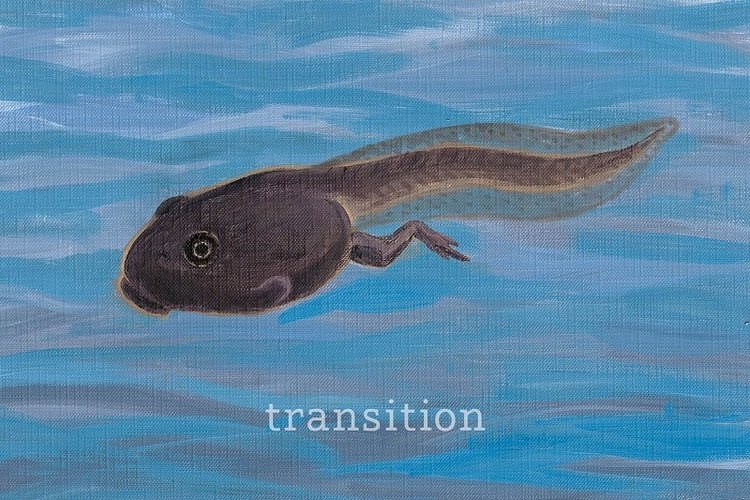
For the first time, along with our general theme of place, we are having a theme for the issue: TRANSITION, and the only guidelines are that completed pieces should be linked to both the idea of transition and place. 

With regards to length, most pieces we publish will be between 1000 and 5000 words. We also remain interested in photography, illustration and other visual arts projects related to the theme of place. Please remember that, unfortunately, we cannot continue to pay contributors to Elsewhere. We have long had this as our aim, but the project as it is right now cannot sustain it.

If you have something you would like us to consider, please write to Paul at: paul@elsewhere-journal.com

If you are interested in writing for the blog, you can find more information on our general submissions page.

Morning in St. Mary's Churchyard, Whitby

IMAGE: Laura Harker

IMAGE: Laura Harker

By Laura Harker:

8.45am in St. Mary’s churchyard. A jogger runs laps around the graves as I try not to lose Polaroid exposures to the wind. There are probably more bodies under my feet than are awake in the town right now on this cold December morning. A rare tranquil moment for the churchyard which, during the height of summer, is bombarded with crowds of tourists and goths. I forgot Whitby takes its time to wake up in the winter. As I ran from the train station through town and up the 199 steps to the clifftop abbey – trying to beat the sunrise – the only people stirring were a handful of delivery men on Baxtergate, the closest thing to a high street in the town. The few low-season tourists tucked up in their guest house four-posters wouldn’t be out for another couple of hours.

Whitby’s streets are riddled with ghosts, none of whom I wanted to bump into. Exes, former friends and old work colleagues. These old ties require more effort to fall back into the previous nuances each relationship had, and any conversations between us now inhabit a strange space between strained small-talk and stale in-jokes. The longer I’m away from the town, the more these ties fade, and the streets of Whitby are increasingly haunted with passing faces that stimulate only a haze in my memory. I felt more at ease facing the graveyard and its ghosts.

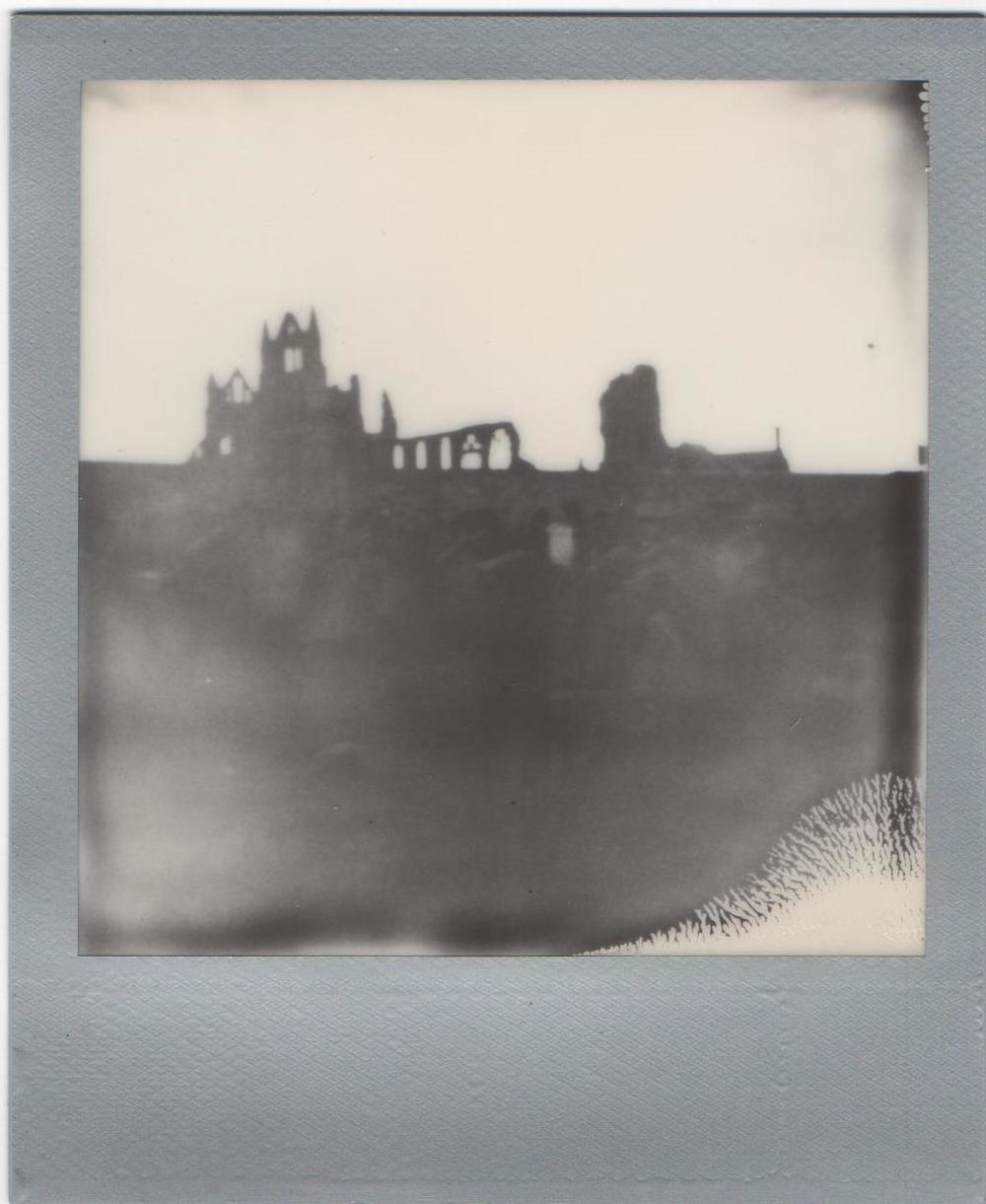
The film I’d used in my polaroid camera was out of date by a couple of years, and so the results were washed out and over-exposed. A grainy abbey silhouette; a white Royal Hotel behind the unmistakable arch of the whalebone arch; blotchy patterns on grey speckled sand. Barely-there images to match my barely-there ties to town. A strong wind whipped up over the lip of the cliff, I flipped up my collar and descended back down into town, head down, quick step, running from the ghosts.

Laura Harker is a freelance writer based in North Yorkshire. She blogs at northquarters.com

Postcard from... Sarajevo

IMAGE: Gavin Greene

IMAGE: Gavin Greene

By Gavin Greene:

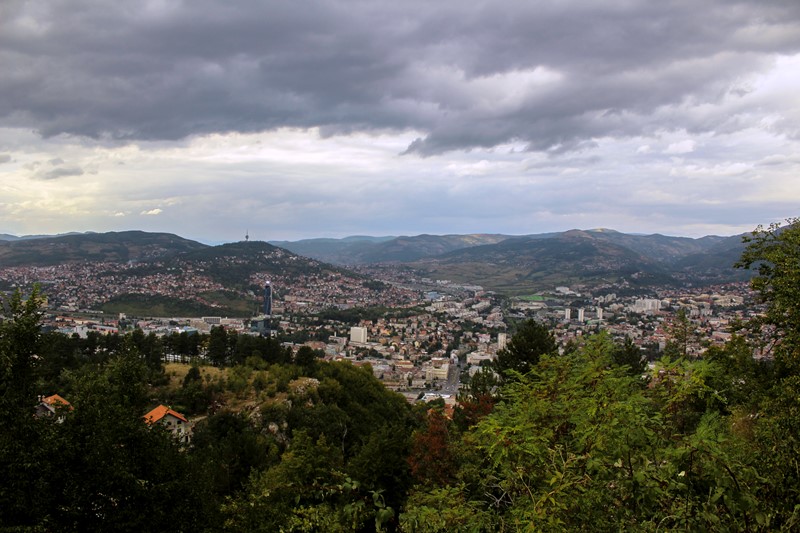
The early evening rain spattered onto the marble floors of Sarajevo's Baščaršija, polished smooth over centuries by passing travelers, merchants and tourists. It fell in large spots at first, then smaller, lighter drops. Sitting on a rickety chair under the canopy of a dimly-lit café, I watched as the bustling market hastily retreated undercover to escape the shower. Traders hurried to cover their stalls with tarpaulins while young families dived for the cover of stone doorways.

From the sanctuary of the café, I looked up towards Mount Trebević, a looming shadow over the city, visible beneath the low clouds that had rolled into the valley. The mountain had hosted Sarajevo's 1984 Winter Olympics, and the world watched athletes speed down icy runs and steep snowy slopes. Just years later, skiers and spectators became snipers and mortar posts, raining destruction and tears onto the city below for over a thousand days. Again, the world watched.

Steam twisted from the copper pot of coffee at my side, swirling and hovering before disappearing into the crisp evening air. In the winding alleyways of Sarajevo's markets, the smell of roasting coffee blends with the warm aromas of herbs and spices of hidden backstreet food stalls. The sound of hammering metal and the gentle chatter of locals gives way only to the call to prayer from nearby minarets, and the pealing church bells echo across the city valley. The gentle drumming of the rain on the terracotta rooves of the bazaar built to a crescendo, the streets empty and shimmering with this latest deluge.
 
Sarajevo still bears the scars of the siege, but life has moved on, and there is now hope for this beautiful city. As I watched, three young children dared to dance in the rain, ducking and diving between raindrops. On the same road a few years before, their parents would have done the same, ducking between doorways to dodge the barrage from the hills above the city.

The rain continued steadily, now dripping from the canvas awning of the café into the gutter below, gathering pace and coursing down the narrow street, filling the scars left in the marble from the mountain high above. 

Pouring coffee from the pot into a small ceramic cup, the dark liquid turns to rich foam. They say the key with Bosnian coffee is to take your time. No rushing, no takeaway coffee in a paper cup. Time, patience and careful attention are all that is needed.
 
A break in the clouds let a shaft of sunlight onto the city and the stone buildings glistened in the warm evening light. Children emerged from their hiding places behind market stalls to splash in the fresh puddles, their reflections dancing and rippling in the clear water. Their parents watched on, smiling. The rain has stopped. The sun shines, and once more, Sarajevo is the most beautiful place on earth.

Gavin Greene is a travel writer and photographer based in London. Currently working at one of the world’s largest travel sites, it is Gavin’s aim to visit all of the 47 countries in Europe by his 47th birthday. You can read more of his work on his website The Travelogue.
 

Stoned: Castlerigg, Cumbria

Image: Caroline Millar

Image: Caroline Millar

By Caroline Millar:

Between an ancient, yellowed road atlas, an OS Landranger and a limited phone signal, I crept slowly along peering out for a trustworthy brown sign to tell me I was somewhere legitimate. I needn’t have worried. About twenty cars were parked up near the entrance. So much for Wordsworthian solitude.

Along the verge were signs of semi-permanent habitation. Gazebos strung out from the backs of vans created temporary shelter and marked out territory. Plastic picnic tables, cans of Tyskie lager, dogends and a single shoe told of long nights.

Looking back I don’t know what I expected to feel, but it wasn’t shame.

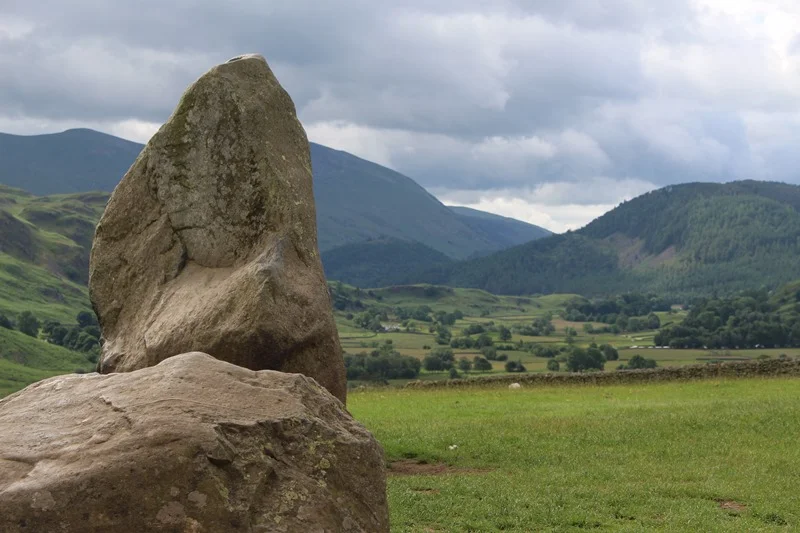
I almost overlooked the stones at first, my attention drawn instead to the people who’d set up camp inside. Within the stone circle sat another circle of hippies; crusties as we’d once called them, the dogs-on-string and lentil brigade, what my parents would call layabouts. A group of men their hair in dreads sat draped in duvets drinking early morning cider. Women with wilting flowers in their hair spread nutella on toast for unwashed toddlers. In the middle of the stones a white pile of ash from a dead camp-fire, empty packets of instant noodles and a didgeridoo.

I’d last been to Castlerigg about twenty years ago. As a student at Newcastle the Lakes had been an easy bus ride over the Pennines. It felt like I was there every summer, but in truth I think it wasn’t more than twice. In memory, my boyfriend and I turned up at the campsite late in the evening to be met by a red cheeked farmer crunching into an apple the same colour as his cheeks. He devoured our money with the same gusto as his apple and pointed to a wet field. For some reason his face has stuck in my head though it might be mixed up with the farmer from Withnail and I, the one with his foot wrapped in a plastic bag and a randy bull.  But re-watching Withnail was such a constant of my student days that fact and fiction are hard to separate.

That night we’d walked from the campsite across dark hummocky fields to a dream-like wood panelled bar. Like characters in a John Carpenter film we holed up inside, nursing our cheap bitter, dreading the call for last orders that signalled a long night in the cheap barely two person tent. When we walked down to the stone circle later with a take out bottle of wine, it was totally empty. I lay on my back, my bare feet placed on the stones wondering where all the stars had suddenly come from.

It was probably the Romantics who ruined places like Castlerigg by suggesting that by communing with old rocks we could find a way back to our primitive selves. Now we strain towards empathy at every heritage site, as if summoning the spirit of past is the only authentic response.  As I walked round the stone circle this time, I willed myself to feel something. I studied the alignment of the stones with the surrounding mountains trying to see how the entrance lined up with the Skiddaw and Blencathra. I ran my hands over the rough lichen-covered surface and even tried to hug one.

Disappointed, I headed back to the car, stopping on the way out to read the ubiquitous interpretation panels. They pictured illustrations of Bronze Age people looking a lot like the couple from The Joy of Sex. Long hair, beards, flowers in their hair. They were eating, drinking, watching the stars, having sex, playing instruments, sitting round the fire, pondering their future. Just like the hippies now.  It was me that was out of time and place here. What I’d felt in the stone circle was shame. The middle-aged hippies at Castlerigg were the real deal. Whilst I sought a relationship with the stones safe in the knowledge my hire car was parked near by and B&B already booked, they slept next to them, as I once had, before I grew up.

Caroline Millar is project manager for Discovering Britain - a series of interpretive walks run by the Royal Geographical Society. She also writes creative non-fiction and short stories inspired by the Kent Coast where she lives. Check out her blog – lights of sheppey

Caroline’s essay from Faversham Creek appeared in Elsewhere No.03, available from our online shop.