
Vashlovani's Wastelands: An Extreme Desert Ecosystem to Preserve
/
By Vincenzo Cohen
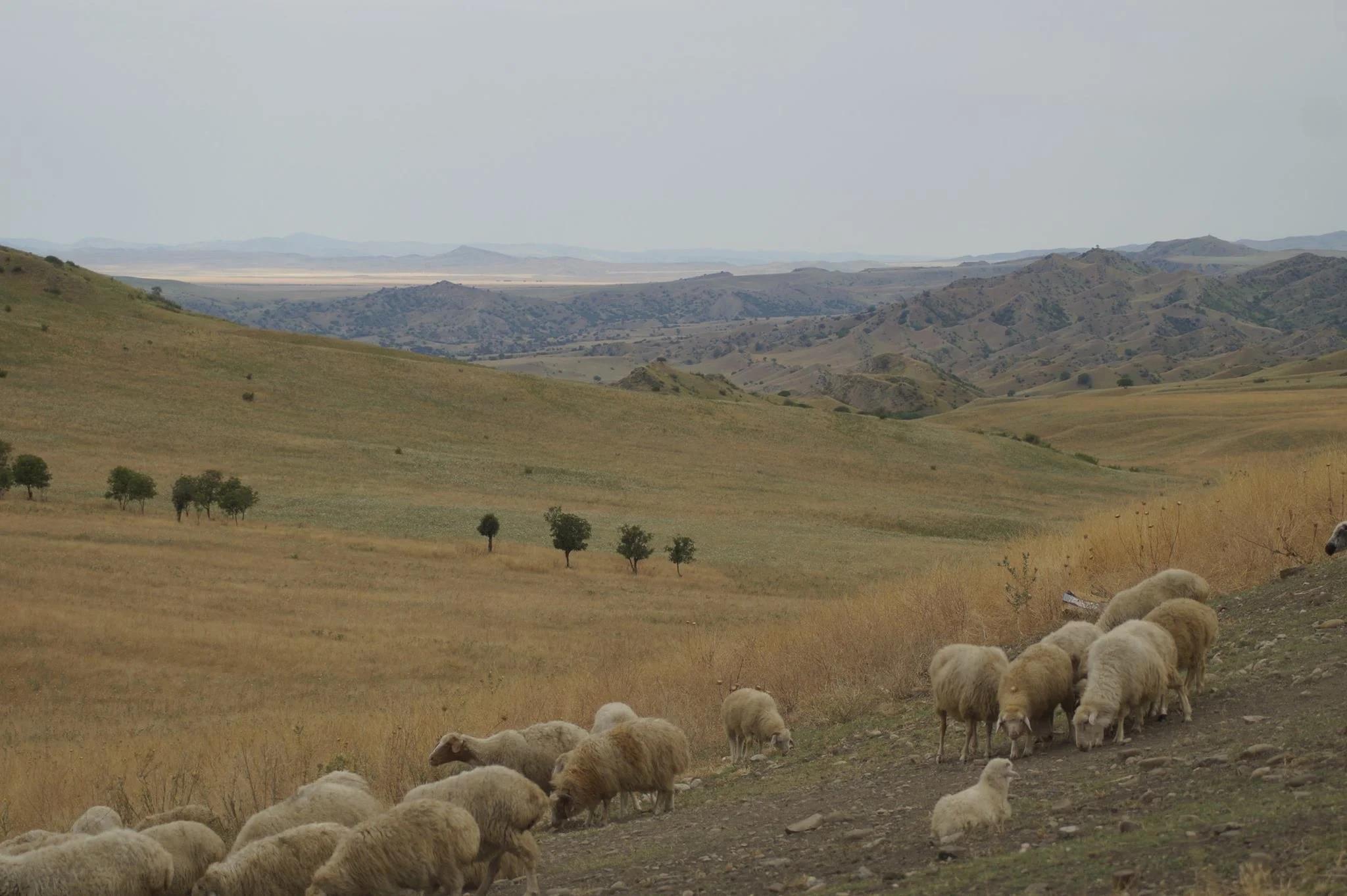
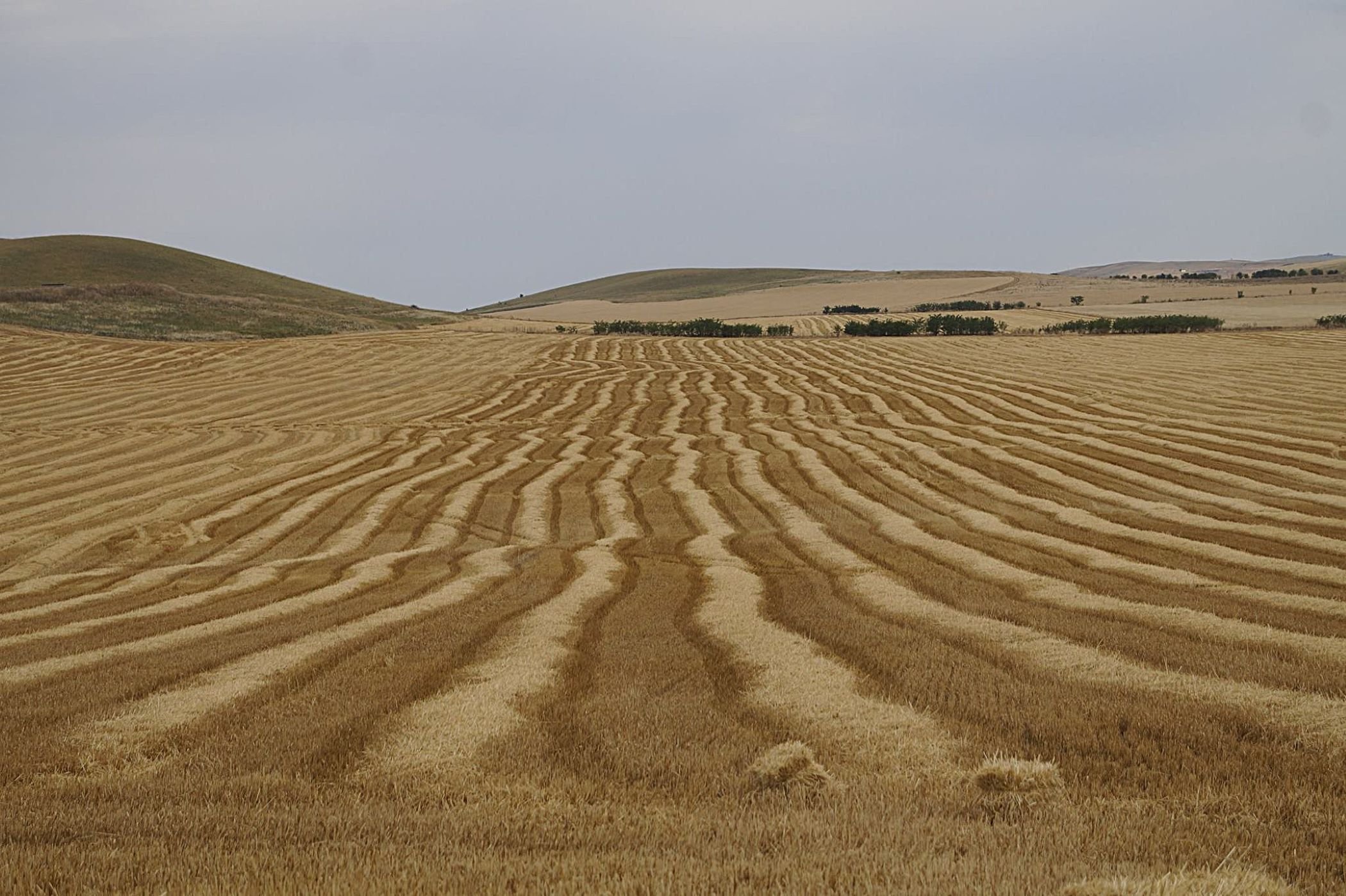
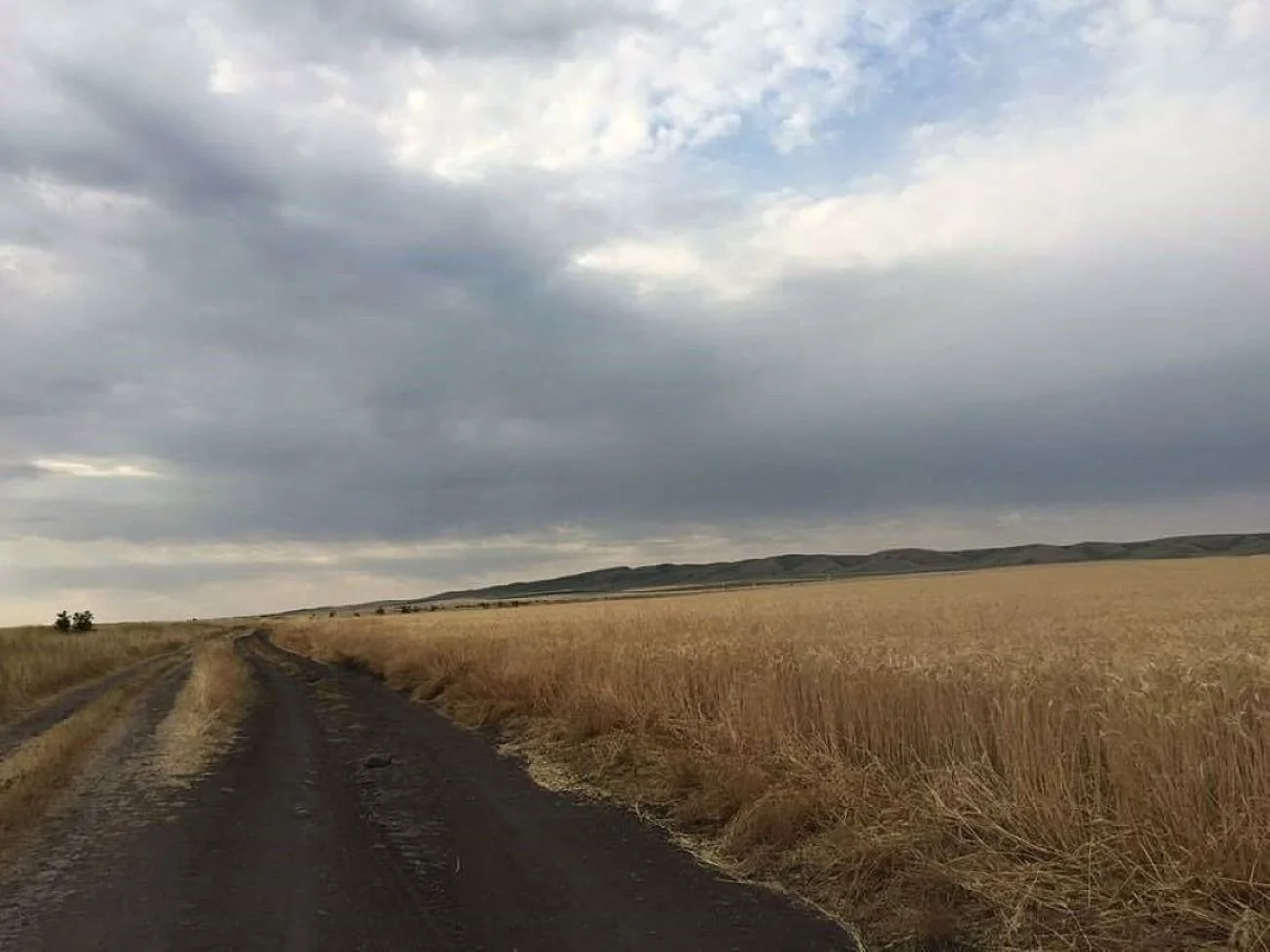
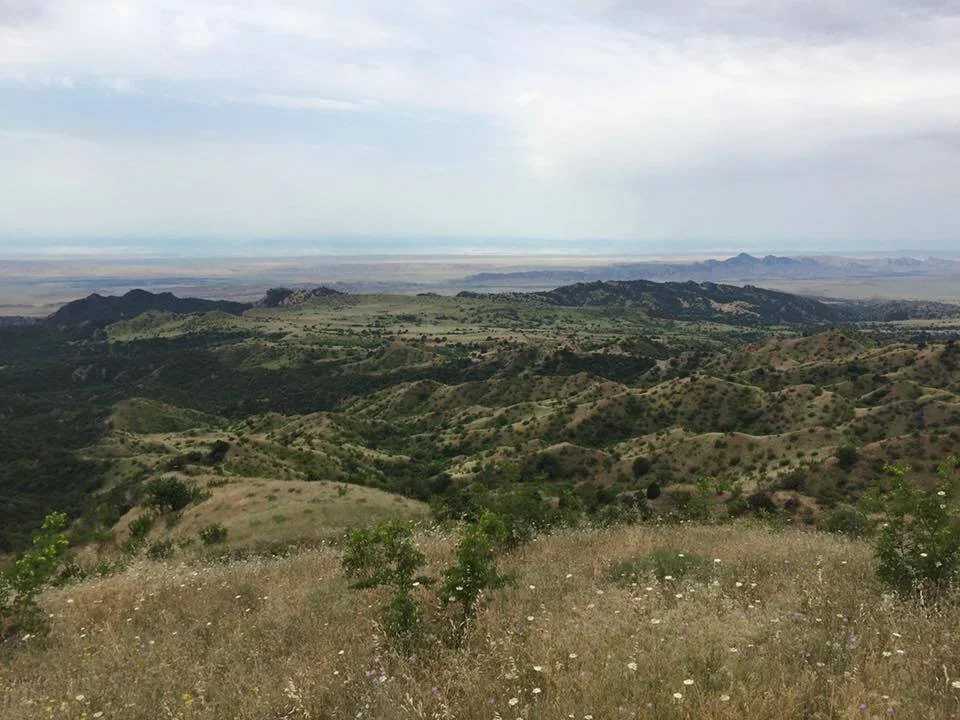
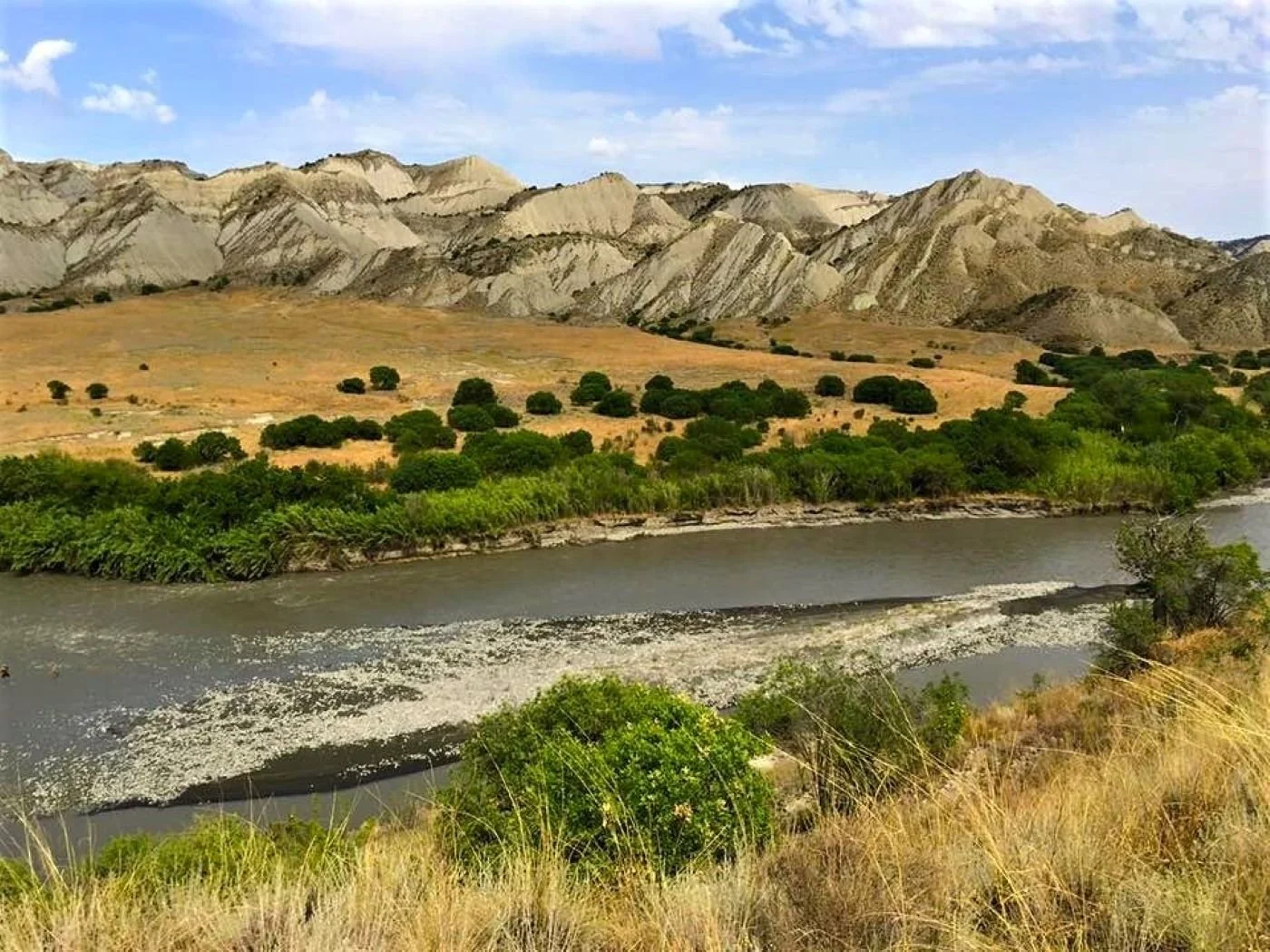
Vashlovani National Park, a cornerstone of Caucasian region natural heritage, offers a rich tapestry of biodiversity and natural sceneries. Located in the Kakheti region, eastern Georgia, it is a magnificent and unique ecosystem. A protected area once submerged by the Sarmatian Sea, it now covers an impressive 25,000 hectares, with landscapes ranging from deserts to forests, valleys and majestic canyon. The name "Vashlovani" translates from Georgian language as "apple orchard-like," referring to the wild pistachio and apple trees that characterize its steppes. The conservation efforts carried out by APA - Agency of Protected Areas (a government body under the management of the Ministry of Protection and Environment and Agriculture) together with the support of the Caucasus Nature Fund and WWF make it a must-visit destination for nature enthusiasts and travelers seeking an authentic experience in the Caucasus. Photographs taken in 2015 provide an overview of some landscape views of rare beauty. I chose to post these images on Elsewhere because they offer a view on a corner of the planet that is still little known and visited. I am in fact interested in documenting less represented perspectives on unexplored territories and unknown terrestrial paradises. The sporadic sighting of threatened species on the IUCN Red List like the imperial eagle and the very rare Caucasian leopard and uncommon plants makes the visit even more fascinating. The visual experience that this extreme and remote environment offers is truly emotional. Great plains, such as the Shiraki steppe, characterized by arid plains and mountains in the background extend to the horizon. The Shiraki steppe is a plain between the Iori's river valley in the south and the Alazani in the north. The territory was covered by forests and continuously inhabited until the end of the 7th century BC, when human settlements in the area started to be depopulated due to climate changes and nomadic incursions. As seen in some shots characterized by large grasslands frequented by herds of cattle, in the Shiraki steppe during the centuries the economy was mainly related to grazing and transhumance. Observing these breathtaking landscapes brings to mind the words of Theodore Monod, naturalist expert on the Sahara: “One feels respect for these intact landscapes that did not ask us nothing, that they would gladly do without ours presence and that they are there anyway simply majestic”.
Vincenzo Cohen is an Italian multidisciplinary social artist and writer. He earned the MFA from Fine Arts Academy and the MD in Archaeology from "La Sapienza" University in Rome. His production ranges from visual arts to writing exploring cultural and historical content as well as issues related to social and environmental justice. The path of the artist is focused on nature and environmental issues, since childhood, when after a trip to Kenya he suffered from a strong nostalgia for Africa. At the age of eleven, that first contact with African nature arouses emotions that will deeply affect his existential perspective. Unstoppable traveler and desert and remote places passionate, his photographic reports focus on desert ecosystems, animal resilience and battles for survival. His work has been featured in International literary journals including Vocivia Magazine, Epoch, Cosmic Daffodil Journal, Arte, Superpresent, Cutbank, L'Esprit, The AutoEthnographer, Decapitate, Ake Review, NNC Art Magazine, The Gentian, Muse literary Journal and others. Currently he collaborates with some humanitarian organizations Such as The African Narratives Writing Hub and nature conservancy foundations for the dissemination of social and environmental awareness content.