Poetry
By Sarah-Clare Conlon
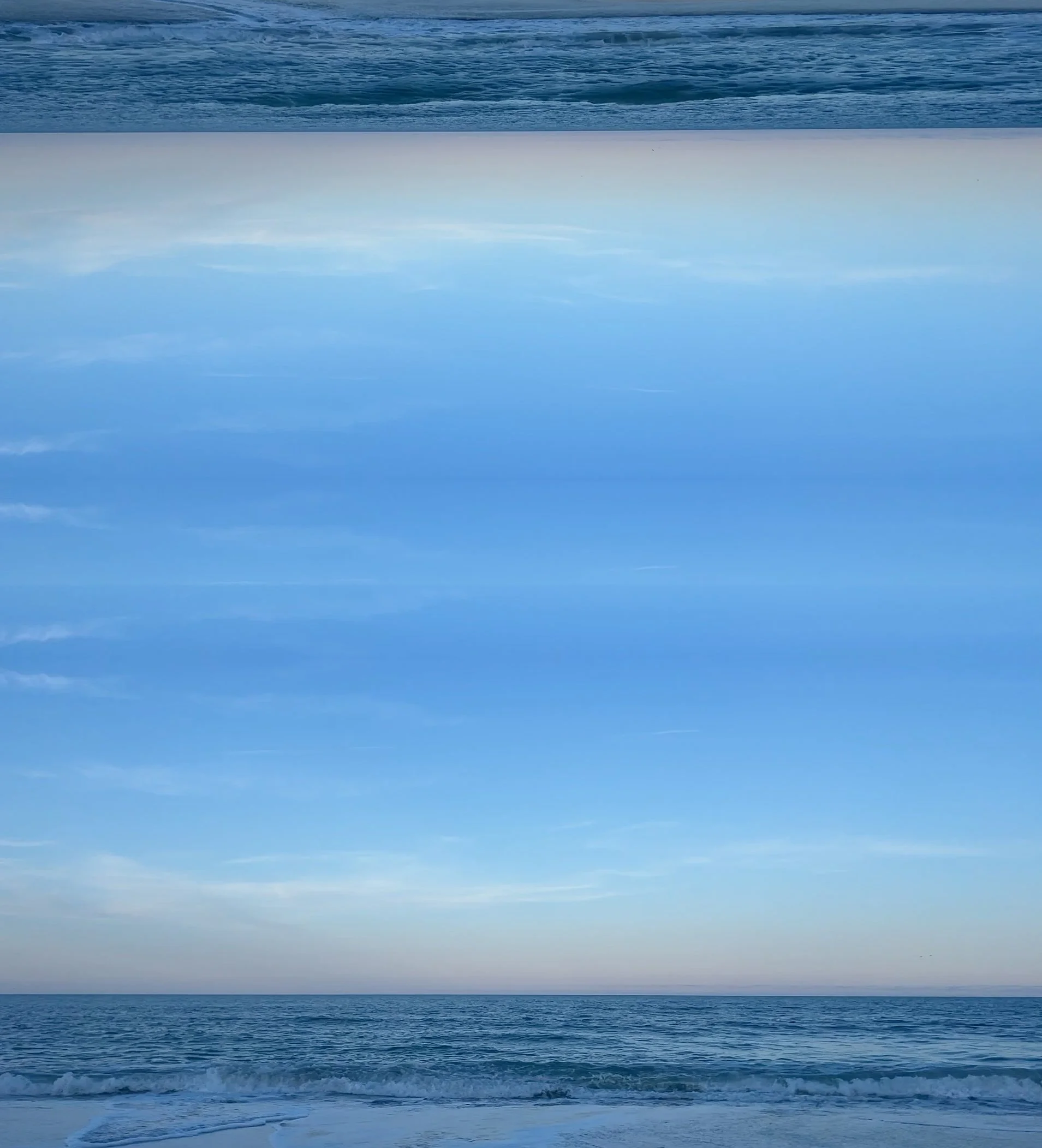
Weird waters swirl,
mineralised aquamarine
or cobalt or cyan channels,
By Martha Sprackland
The village stream will fall asleep
still running but as thickened silk
By Joshua Walker
Morning slips through the broken cabin window,
light pooling across the floorboards.
By Julie Steiner
“If I die young,” the country smash begins,
oblivious to the fact it’s being played
within a children’s hospital. Dismayed
By Valentina Fulginiti
A shopping cart will do, loose wheels
on rusty hinges, an IKEA tarp tossed
over dubious Lares. Home is a memory
of something that once called shelter.
By Jeff Hardin
Whole cities burning became the norm while
so many, unconcerned, didn’t bother looking up.
They chose to live there, a voice said, a chorus
agreeing. One historical moment alluded to another.
By Rod Ugalde De Haene
Dark days, and how beautiful to feel the low light,
cold days of sweaters and socks with sandals,
and then warmer days, with wrestlers,
and how long the hours are when night arrives
By Lynsey France
Each nameless acre becoming puddle
creek, river (I’ve never been this far)
to describe skin; its heavier
By Lisa Perkins
The sky is a turning flood, a reflecting
blanket of misunderstanding, the muted
violence of dishwater grey and steel
By Hauk Engelien
don’t you know enough now?
I’ve told you how it ends
how everything darkens
in the hour of the wolf
By Tony D’Arpino
Vostok Island is an uninhabited coral island in the central Pacific, part of the Line Islands belonging to Kiribati. There is no lagoon or fresh water on the island, and no known freshwater lens.
By Roy Duncan
Hope is the thing with fractures –
With hasty welds made in the trench –
With rope and glue and scissor-cut –
Formed too upon the bench.
By Barbara Hickson
Regardless
of the grey faced houses
staring at each other
across a narrow street
By Vikki C.
The last autumn of touch was given mutely,
burnished notes dripping their damp vowels.
We were forbidden from bringing the outside in.
By Chitra Kalyani
You would change homes, names, countries, religions, genders, tongues, species -
If only that would unmake it all.
By Rachel Turney
But in the end, she is standing all alone, so deeply unsatisfied.
When he was learning Japanese, his eyes were always down on pages. His fingers gripping a pen. He was learning how to read and write in a way that would even further separate them.
By Douglas Thornton
In a closed valley
Walking to the south;
Loud wind in the air
By Özge Lena
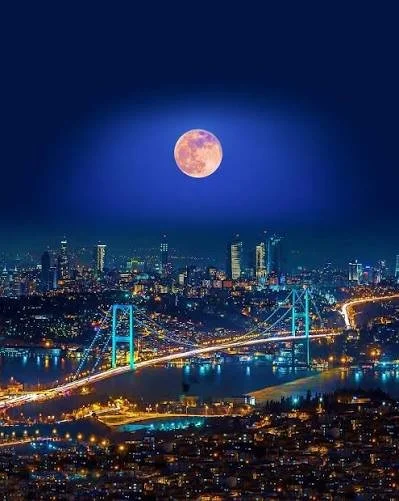
A sharp moon blues the Bosphorus.
I stand on the dark edge
of one of Istanbul's seven hills,
and the city lies beneath me
By Eli Rodriguez Fielder
the last map drawn by hand
was sent to me by the last artist to use paper
and I found the last pencil
to make the last annotation
By Jade Bailey Brock
I don’t read the news anymore. Up north, they have this phrase for people like us: tammaqtutit uppirusukkavit nalligijaunnginnirnik?—do you mistakenly believe you’re not loved? All those letters crowding out the spaces where the seers used to go.
By Athena Melliar
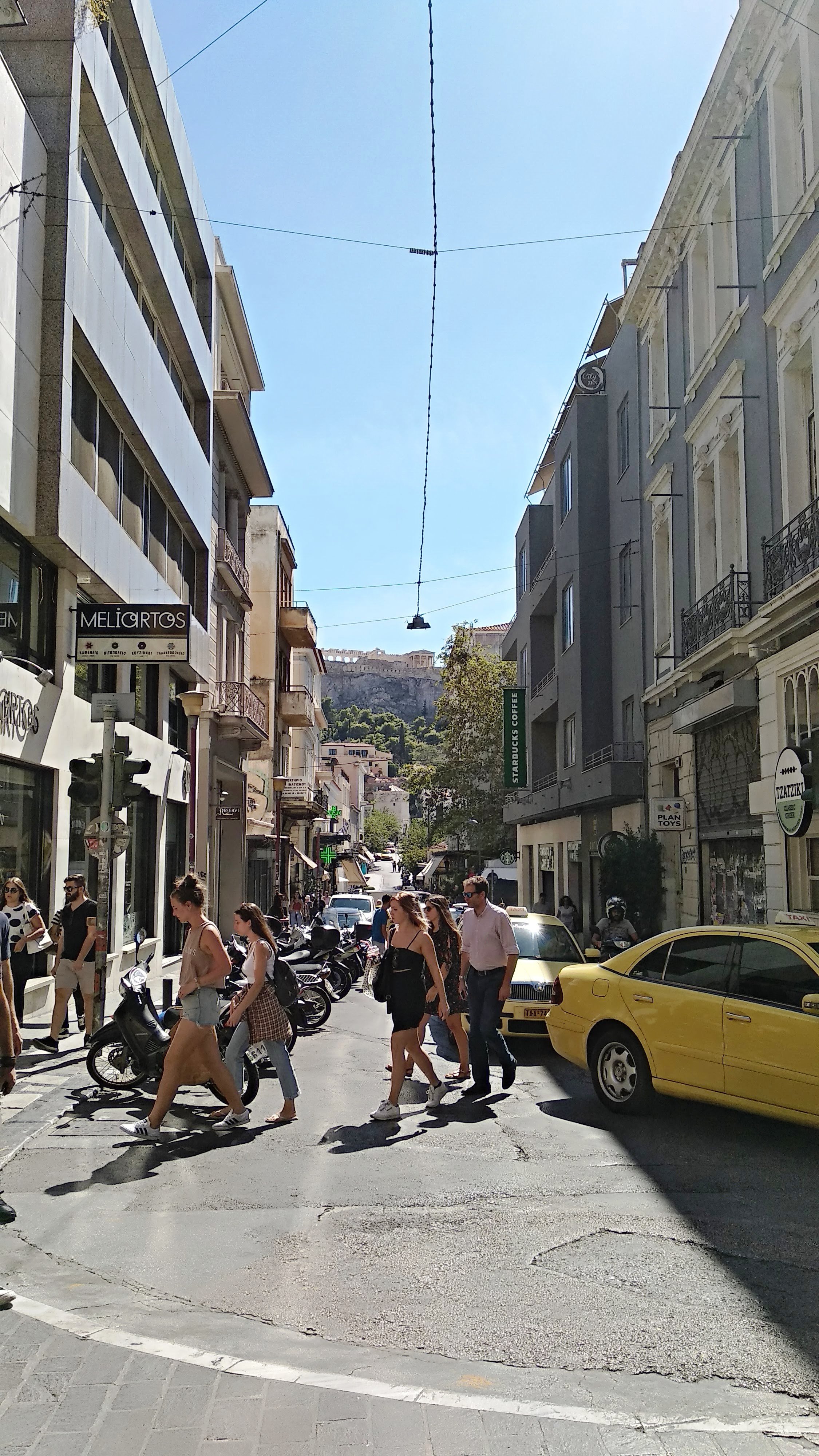
Aeolou is a street leading to the Acropolis of Athens.
Aeolou is a road to the Athenian citadel, like a safe harbourage offering to a stranger looking
rather familiar — Τίνος είσαι εσύ;
By Matt Hetherington
then they mourned her like a suicide
then they sent her to the forests
By David Koehn
I am alone in my study at Tydeman’s in Rijnsburg.
This dialogue between us spares the guilty,
Unbroken fire hydrants on both sides of the Seine,
The identity of the people who betrayed us,
By Asim Mudgal
Sounds of the distant voice, utensils clattering, water flushing out in the sewer are
possessing my rented room.
In this, I am caught up in the directions
Of east or west, north or south.
By Laurence Lillvik
We’re not asking you to understand. Not begging you to be the goldfish. We’re not a willow in a field, or the groundwater it signifies.
Prose
By Shefali Kumar
Shefali is a photographer working primarily with people and the natural world, drawn to the dark and the unsettling rather than the conventionally beautiful.
By Daniel Gianfranceschi
Climatological catastrophes, cold and warm-wars threatening existence at large, species-wide extinction, global inflation and a myriad of other tangentially disastrous predicaments seem to call for the nearing apocalypse on a daily fashion; so much so that, in fact, even catastrophe itself has become mundaneized by how the human interacts with it.
By Misha Honcharenko
Katja Hoyer’s Weimar: Life on the Edge of Catastrophe is not so much a history of a place as it is a slow, tightening vice around the idea of normality.
By Rosalind Lowry
This series of sculptural and photographic works are based on an exploration of loss and mourning of the land, with the artist's creative practice being an act of bearing witness and a lament for what is being lost.
By Cecy Grace
Outside, the sky is bruised red. Crows wheel in ragged circles above the rooftops. Even the breeze carries a dissonant sweetness, drifting over our town graveyard — the lazy, hollow patience of a ghost staring at its own headstone come this bright, sunlit afternoon.
By Claire Everett
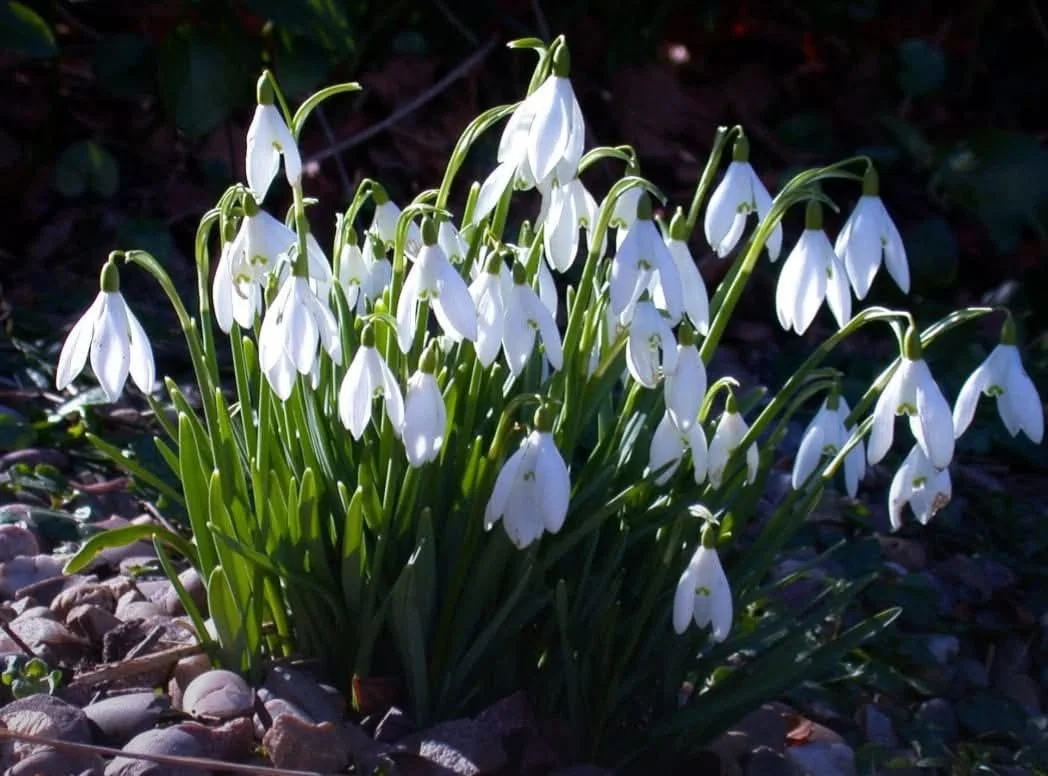
I first discovered it aged five, running too fast for my legs among the ruins of Wenlock Priory towards the brush-stippled swathes of snowdrops, lamb-white, rabbit-from-a hat-white, icing-on-the-cake white, the flame flickering like of which I’d never seen before.
By Jeremias Rumpl
My work has been concerned with man made disasters, like wars, for a while now. Recently, however, my focus has been shifting more towards environmental issues and our relationship with nature and the implications of these things on a personal and more general level.
By Jimmy Fike
This series features photographs of the sites where the last grizzly bears were killed in each of the states that constituted their historic range
By Sylvia Thorne
In a vast space, a wild mix of bold blues, blacks, purples, and whites, once upon a time, a star was born.
By Agnė Jurgelėnaitė
One of my favourite art projects is a set of postcards by Evelyn Raudsepp and Henri Hütt. When you open it, the authors immediately warn you: ‘Nothing worth mentioning occurred during the next twenty-four hours,’ and the images remain faithful to this conviction.
By Ema Lančaričová
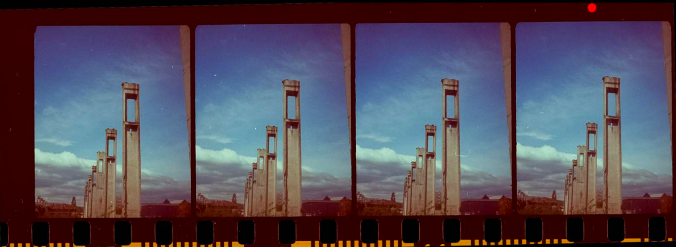
I first encountered the colonnade in 2016, as part of a landscape that did not ask to be noticed. It appeared along a railway line—glimpsed repeatedly, always in passing—until its persistence began to exceed coincidence.
By Ian Breidenbach
Instructor: The Ferryman
Meeting Times: Weekly service to take place on , lessons will begin at dusk.
Cost of Admission: One hot meal (upon arrival) plus (+) 2 assorted canned goods (1) will provide payment for one evenings lesson (one film and one reading) for an unlimited number of members of your community.
By Sophie Chester-Nash
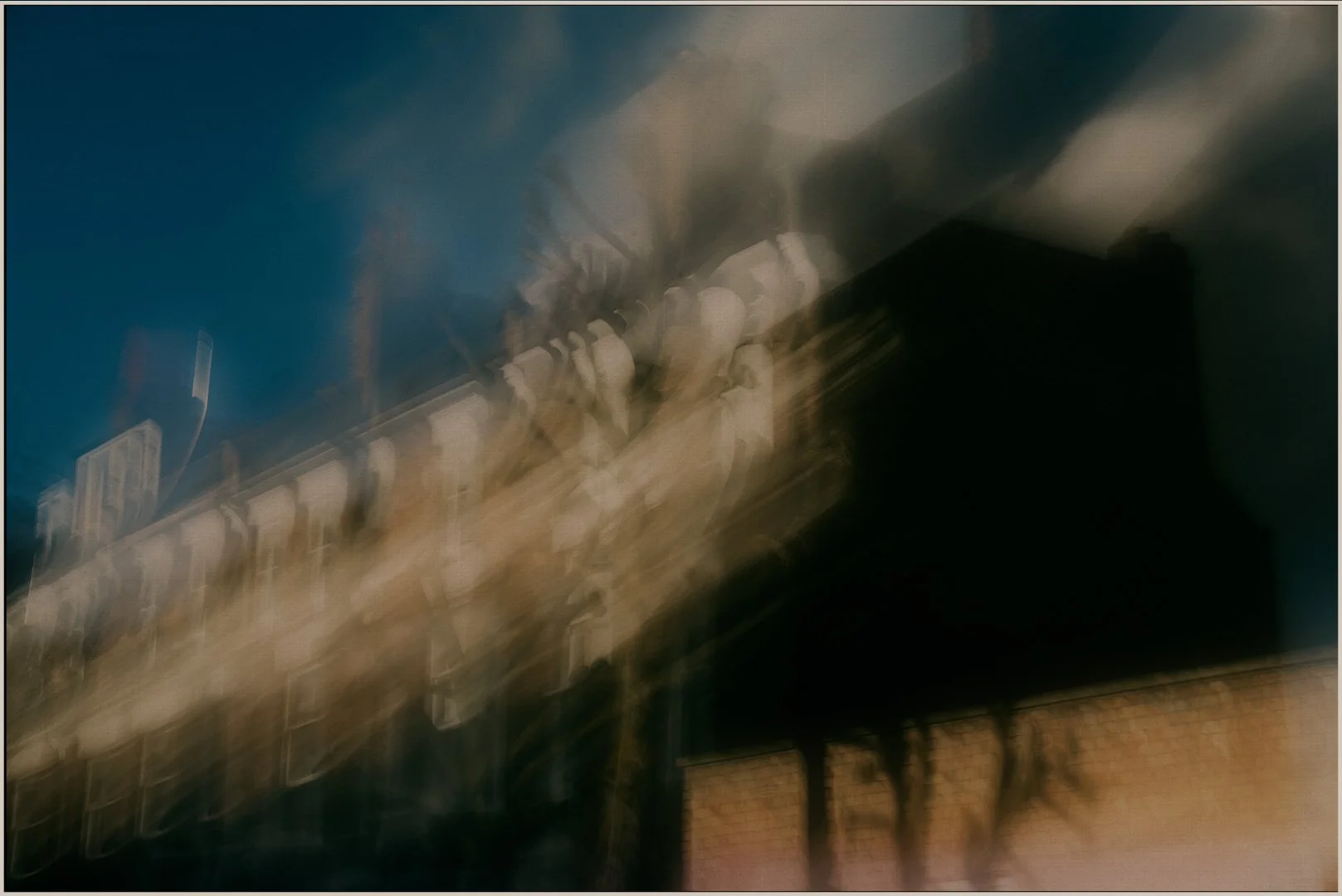
This set of photographic postcards takes ordinary scenery from the midday cityscapes of London and uses a slow shutter technique to deliberately blur what we can see to create an aesthetic vision of place, enhancing blues, pinks and golds within our gaze.
By Quiline Kakoty
The music in the bar was soft and the lights were dim. Three glasses clinked.
“I was never born bitter,” Ashi said quietly, swirling her vodka.
By Martha Lineham
At 8am on a Saturday morning in August, patterned and ageing amusement arcade carpets in the seaside resorts of Blackpool, Bognor Regis, Scarborough and Skegness are simultaneously vacuumed by arcade staff.
By Eleanor Updegraff
Recently, I have begun a collection of shoreline pottery. Small, thumbnail-size fragments, sanded by the waves.
By Emily Doyle
The grotesque and melancholic inspire me the most; in my work, I don’t believe in the rules of photography or what is considered a “good” image.
By Knut Birkholz
End of April, this elderberry and I still missed signs of life, while the delayed spring was
not holding back anymore all around us.
By Leon Craig
‘The ghosts are much less bad at this time of year, my aunt thinks she’s got rid of them,’ Zara said, inviting me to Almgard for the midsummer weekend.
By Olga Sidorina Wilkins
The way they met was nothing special. Two strangers methodically broke every rule and ended up in a filthy apartment somewhere in a godforsaken shithole also known as Smila.
By Michael Maiello
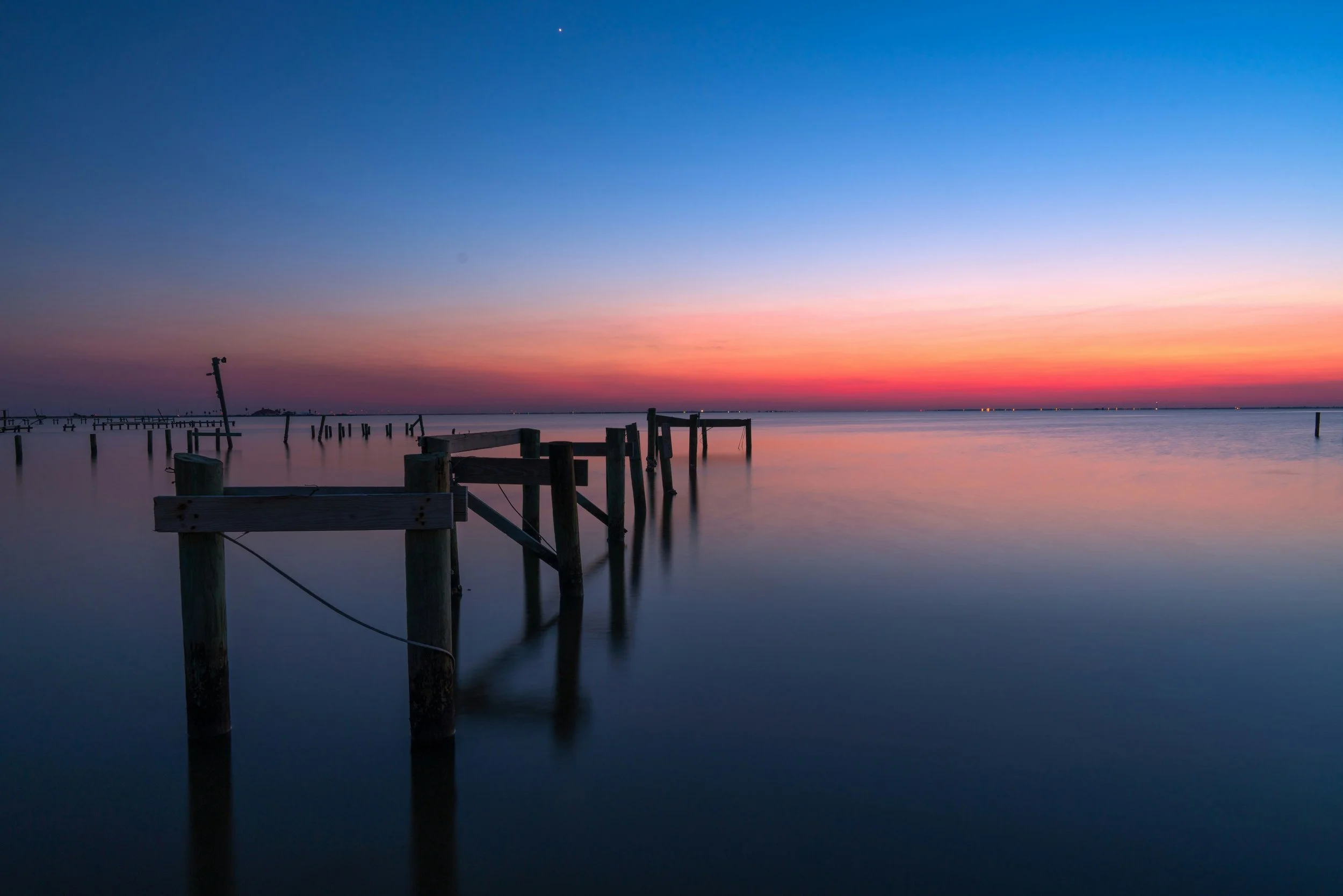
CORPUS CHRISTI, TEXAS -- Here we are, at the edge of humanity’s last gasp. I am writing from the beach, watching the sun rise over the Gulf of Mexico/America, enjoying the same “rosy-fingered dawn” that enchanted Greek storytellers like Homer.
By Valeriia Temkina
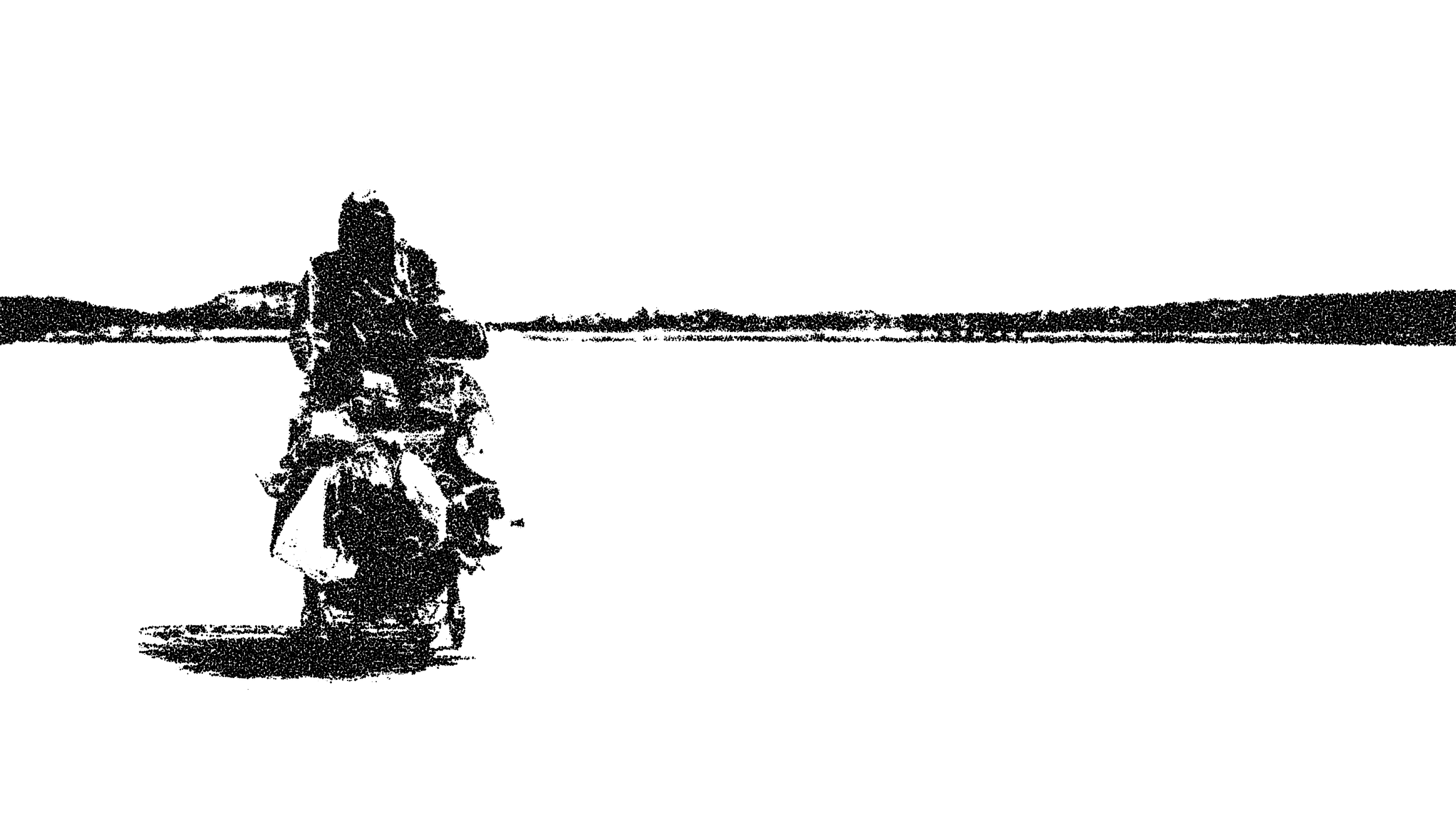
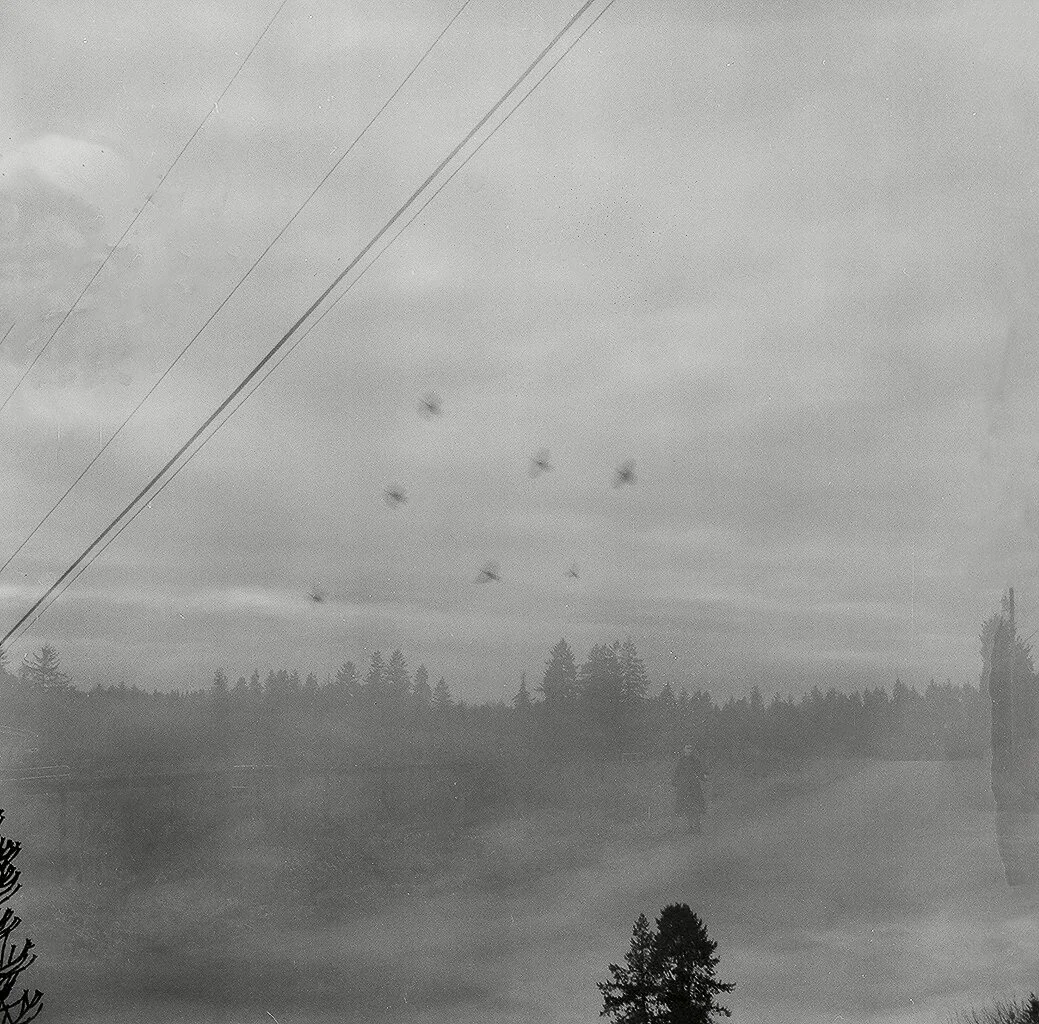
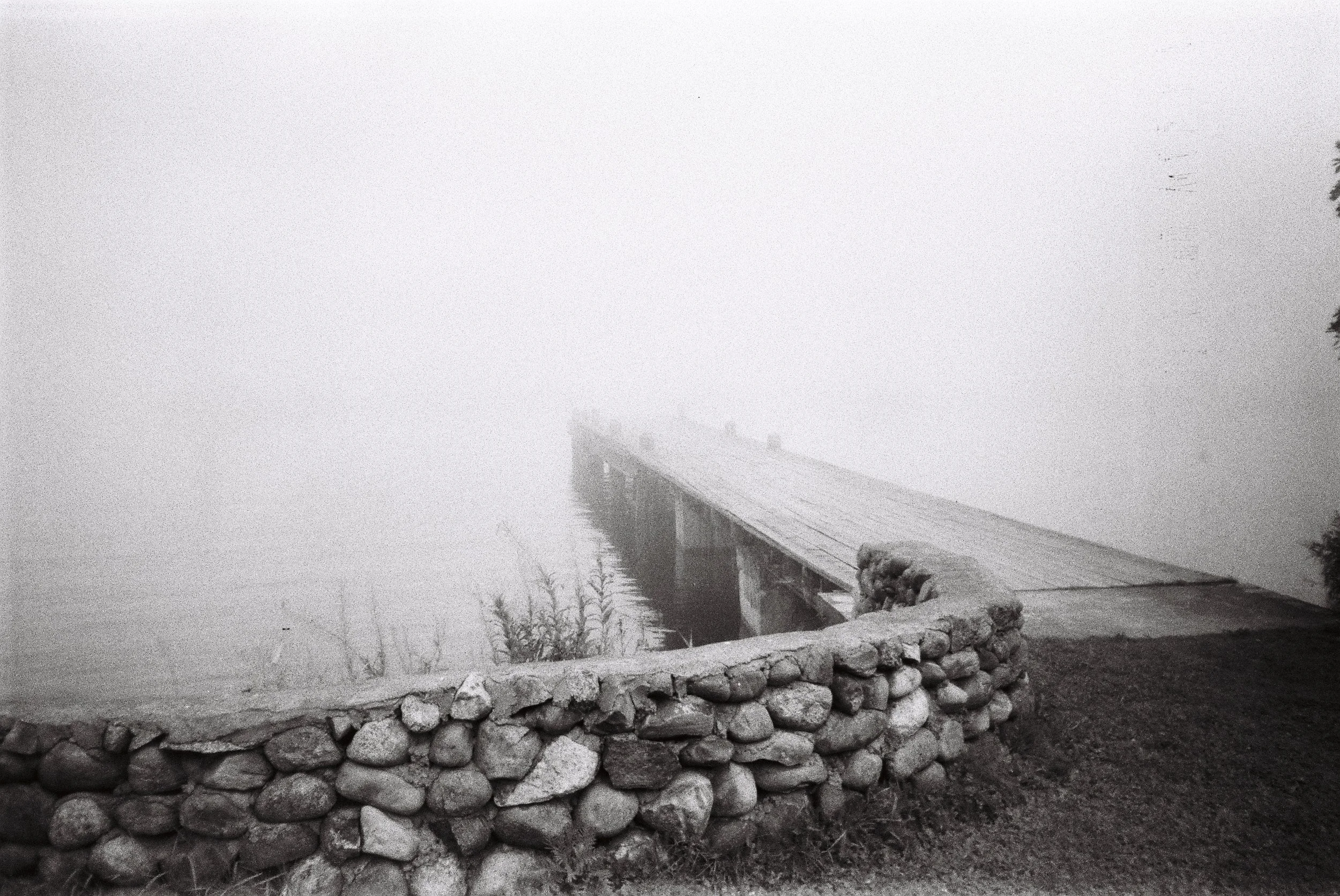
In my work I primarily deal with the themes of memory, locality, and "difficult heritage". The photos were taken on the shore of Lake Ladoga, where the Vuokhensalo lighthouse stands. But it is hidden in the fog. And when the fog cleared, I ran out of film.
By Harper Slusher
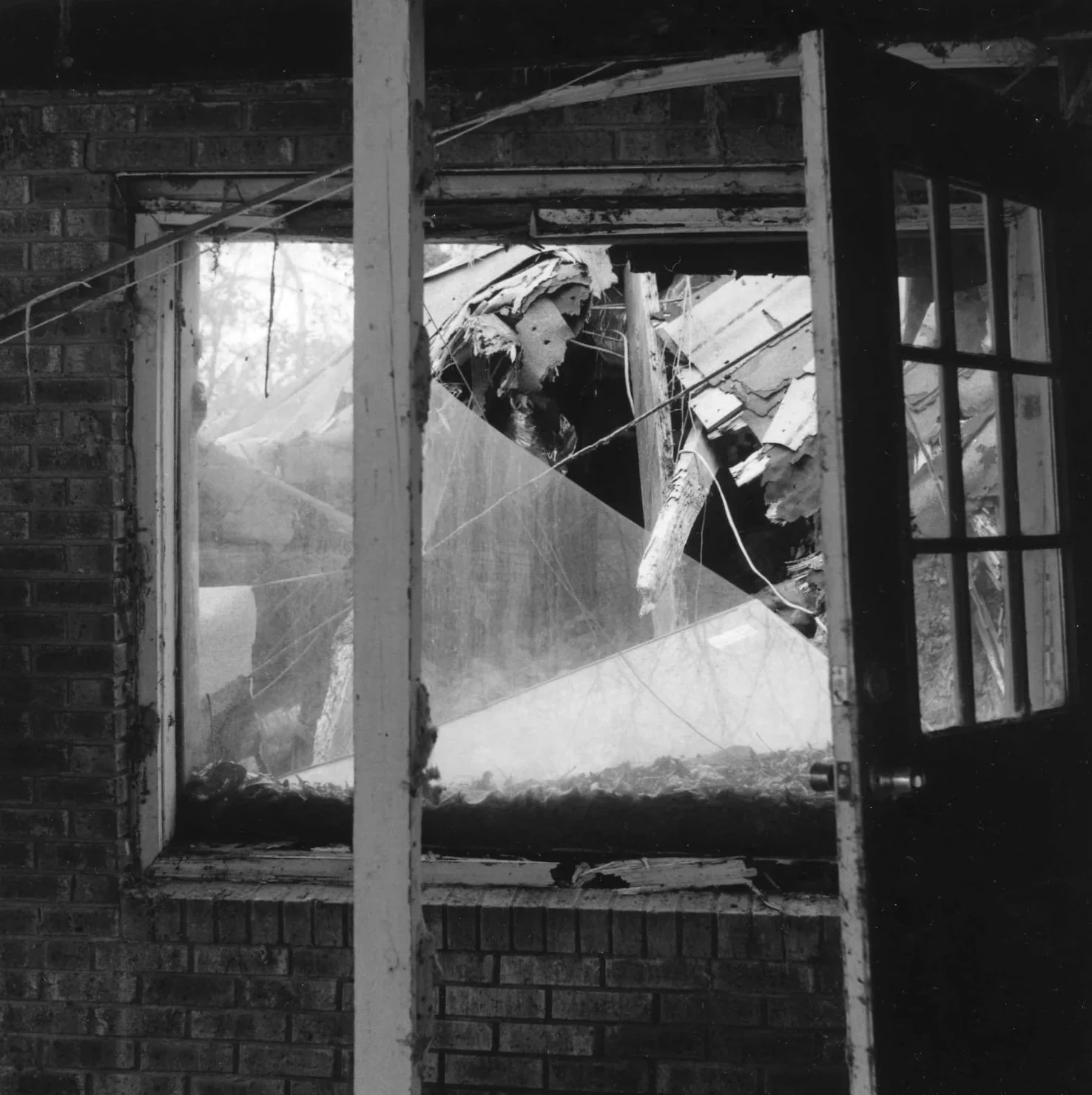
These images are from my project, Half-life, an analog photo series on the convergence of the manmade and nature in abandoned spaces.
By Roberta Cicinskaitė
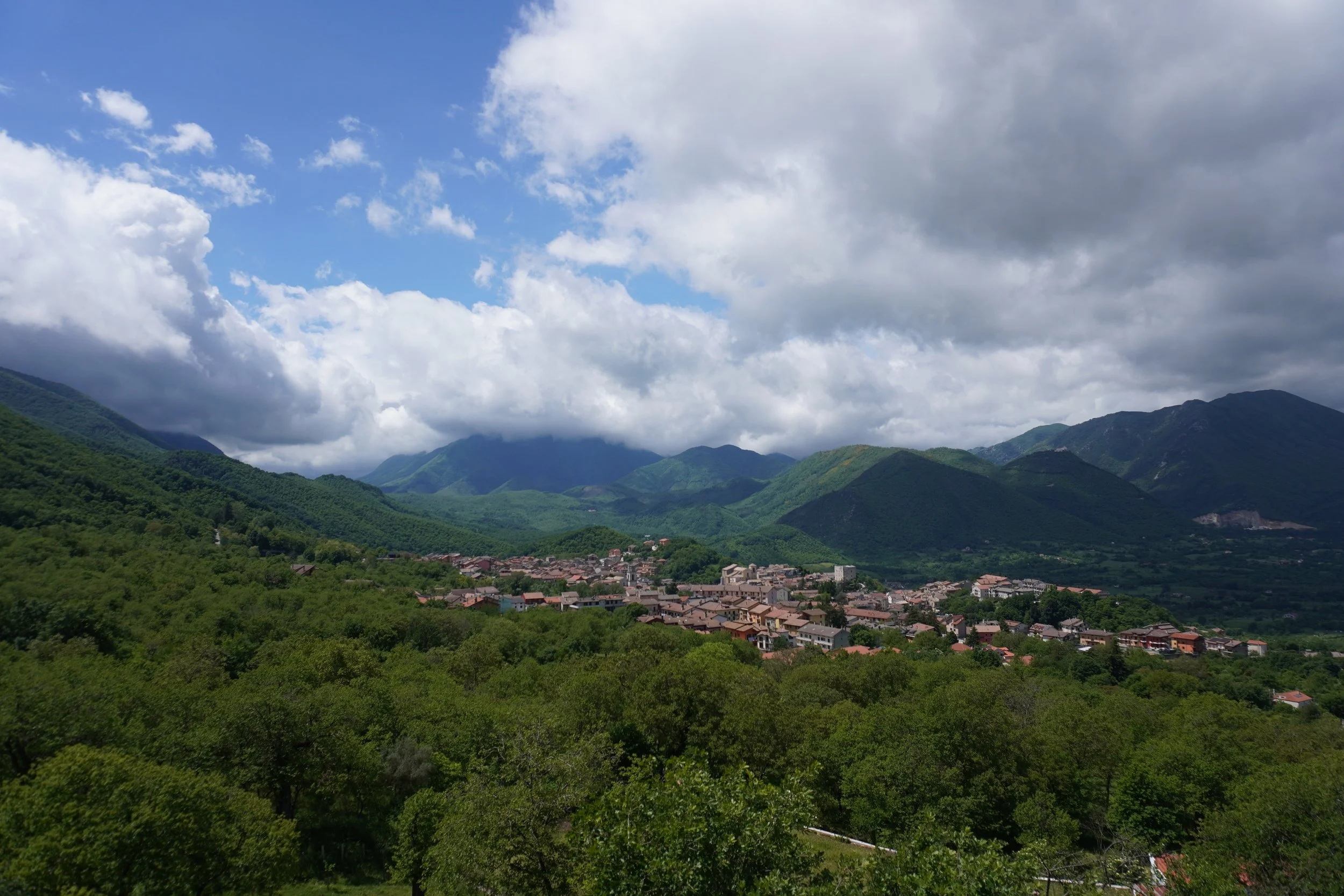
Irpinia is not on most maps that matter to tourists. It sits inland, in the Campania region of southern Italy, tucked into the folds of the Apennine mountains, far from the Amalfi Coast, far from Naples, far from anywhere that appears on a postcard.
By Peter Novokreshchenov
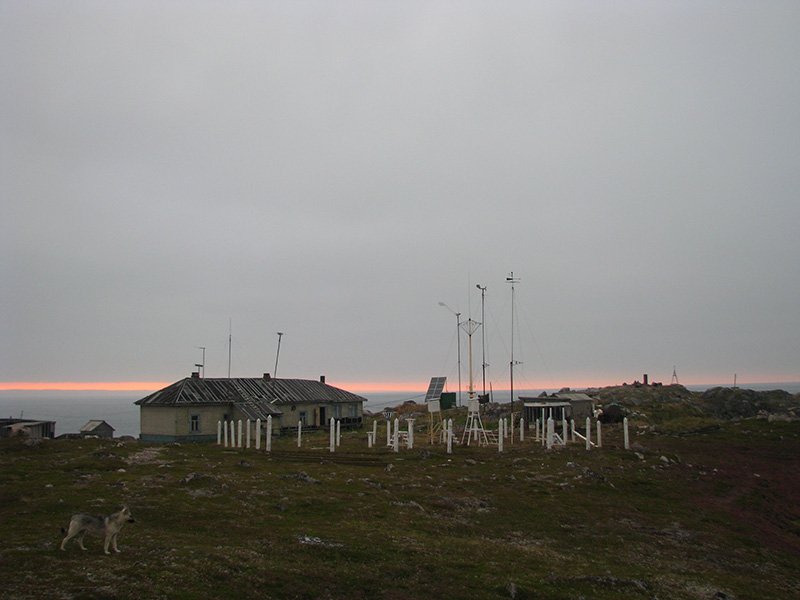
Beacon Card No. 9730
Name: Khodovariha Beacon
Geographical coordinates: 68.93277°N, 53.76278°E
By Deborah Whitney
Short Stories is an ongoing collection of photographs that are stills in a fictional narrative by Deborah Whitney, a painter, printmaker, craftsperson, photographer, art handler, writer, mother and Maine woods resident.
By Thomas Siefert
“Sammie! You shout from the other side of the road. Where’s Da?”
Your sister shrugs.
“Where you goin’, Sammie?”
By Vincenzo Cohen
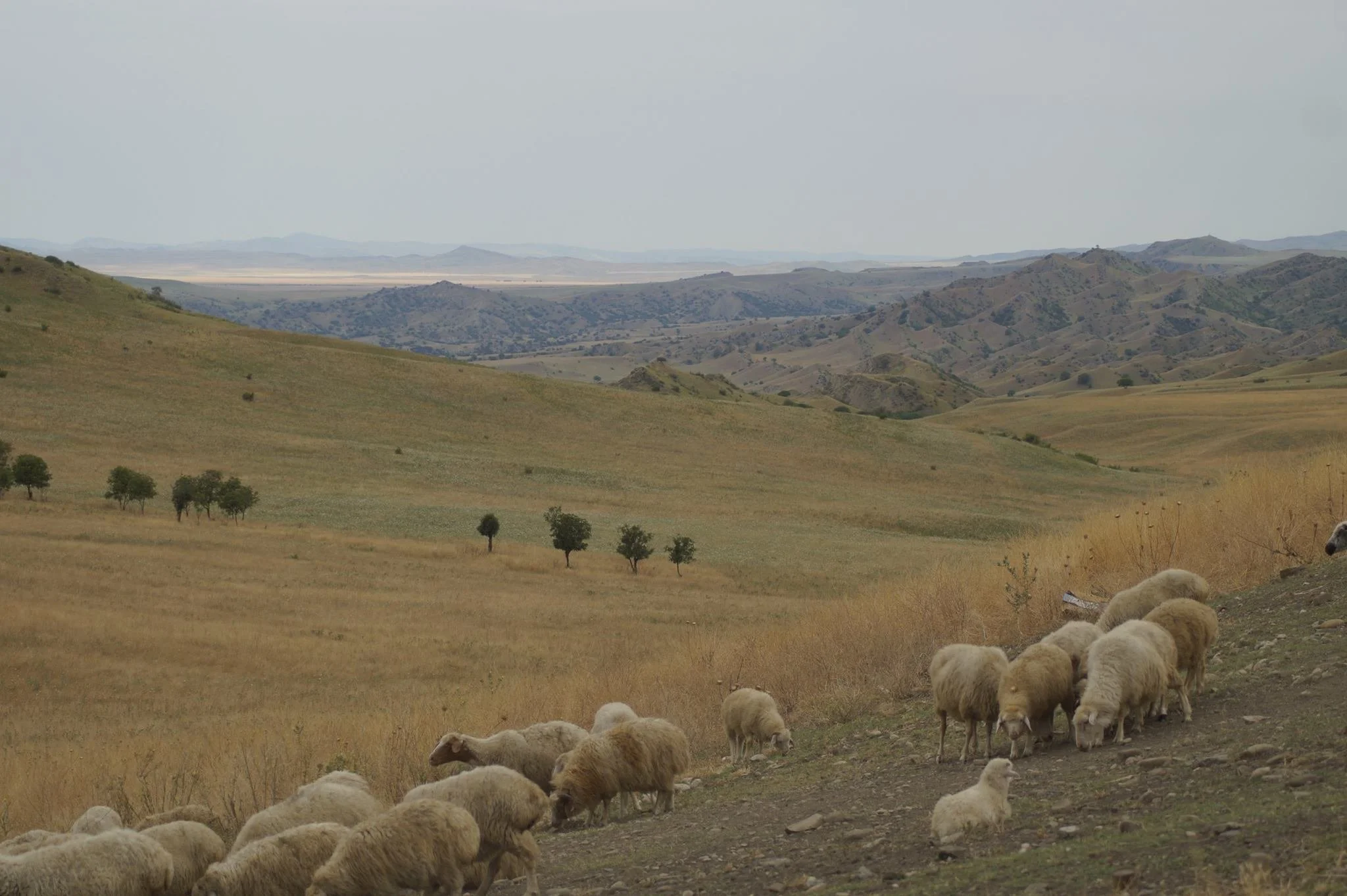
Vashlovani National Park, a cornerstone of Caucasian region natural heritage, offers a rich tapestry of biodiversity and natural sceneries. Located in the Kakheti region, eastern Georgia, it is a magnificent and unique ecosystem.
By Scot N. Moir
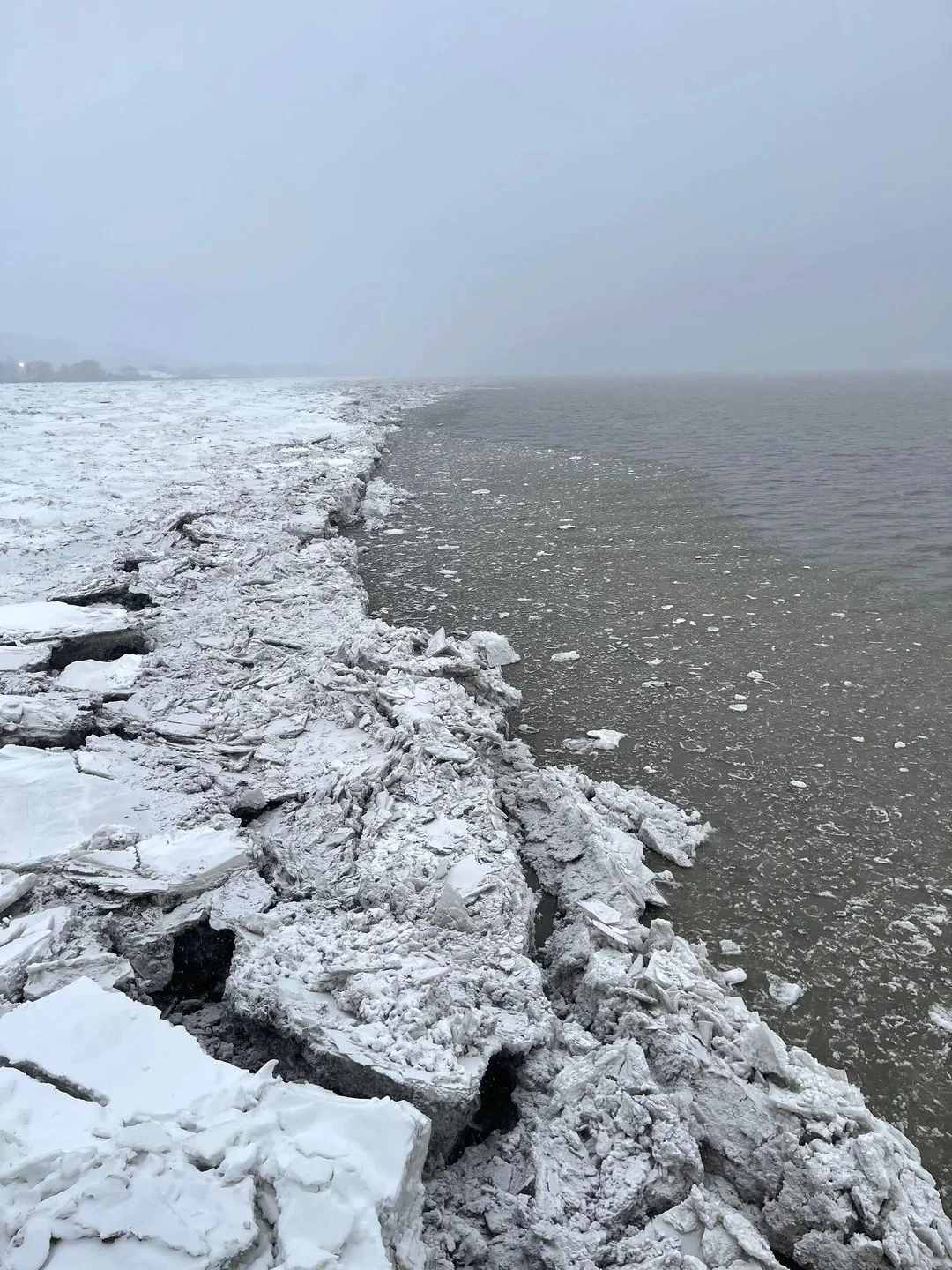
A fast moving river in northern climes. Early spring (perhaps March), banks frozen solid. A thin artery of dark, icy water snakes down the thawed centre, with ice flows of various size careering down the centre of that.
By Stephen Lee Naish
Post-apocalyptic narratives often take place deep into the future and depict an environment that is barren, resource deprived and ruled by monstrous warlords.
By Shefali Kumar
Shefali is a photographer working primarily with people and the natural world, drawn to the dark and the unsettling rather than the conventionally beautiful.
By Stacy Boone
In the end, I only had a flash of a second to see it from my window. It wasn’t the warring factions of political parties. Nor was it artificial intelligence and the illusion that humans were still thinking for themselves.
By Claire Cansick
The sea is, at the moment, my main subject; I utilise thin layers of oil, diluted with various mediums, to create undulating, sensuous movement on the surface, imitating the complex facets of waves, meditative, repetitive, yet never the same.
By Julian Dobson and Ella Hubbard
In Dante’s Inferno, Hell has four stinking rivers. Less well known are the two in Purgatorio: Lethe, for forgetting past wrongs, and Eunoe, a flow of restored and reordered memory before entering paradise.
By Charissa Egger
It rained 165 days the year we moved to Big Cougar Island. Though, at the right time of year, not a drop of rain is to be seen; at the right time of year, the island is only fair weather.
By Jenny Mitchell
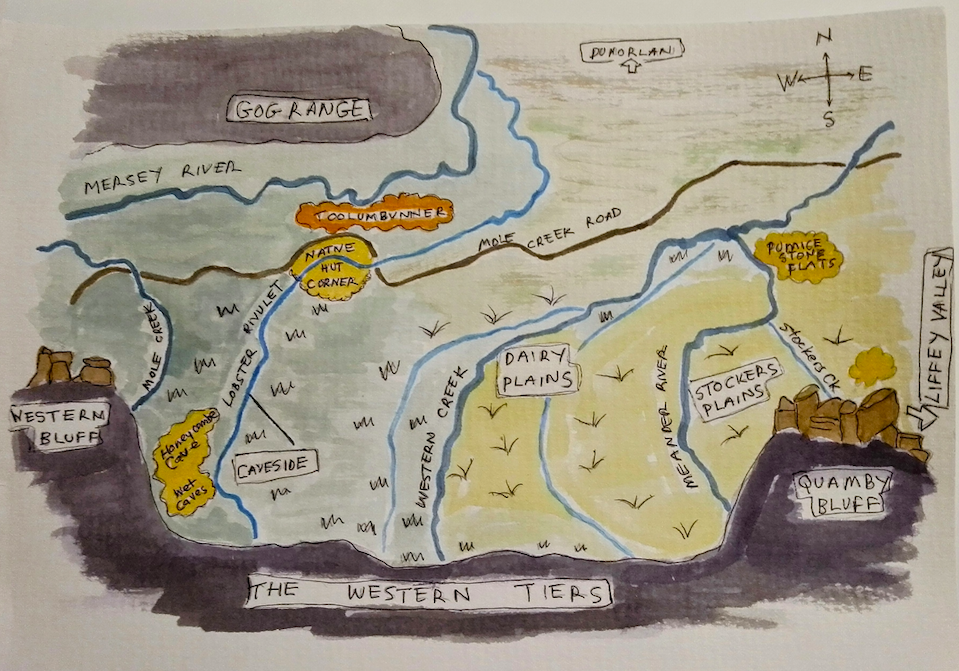
I draw a line on a slightly downwards slope from the Meander River in the top right of my map to Mole Creek. This represents the cattle route surveyed in January 1827 for the Van Diemen’s Land Company by Joseph Fossey. Fossey’s track became the Mole Creek Road.
By Alice Kent
Out here in the edgeland, borderland, hinterland, whatever you choose to call it, I came to realise the problem: nobody could hear us scream.
By Helen Grant
I arrive in Manchester utterly unknowing. I have no job and my job applications have only received rejections, so no interviews are on the horizon either.
By Joe Pearson
At the exact moment the world is saved, Anya lights a candle; her mother lies dead on the table before her, storm rain still dripping from the body’s pale face.

By Matthew D Albertson
The book predated all.
I was drawn to it, a lure,
As anyone with half a heart would
To a broken-winged crane.