

Three poems
/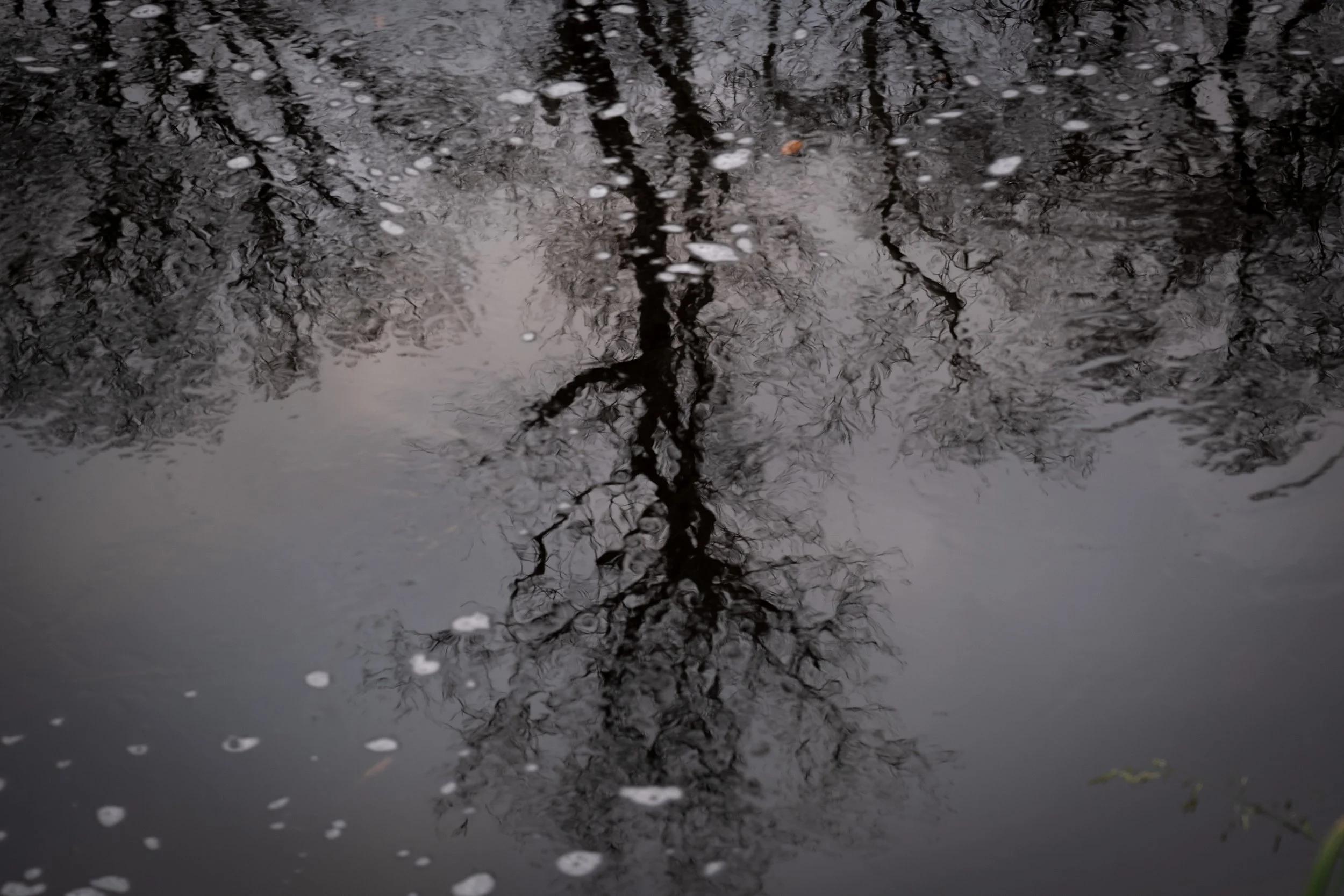
Iimage by Dave Arnold-Fernández
By Emily Arnold-Fernández
How do I tell the weeping?
They call it the looking stone.
The place you waved
to your best friend, sent off
to Canada because the land
could no longer provide.
Or your landlord wanted it.
Or he bankrupted himself
trying to save his tenants
so after the money was gone
they had to leave.
The seals gibber like greeting
bairns — like wailing children,
the way we say it with our
Scottish tongues. It sounds
like the taste of saltwater
on chapped lips, the sting
of spray in the eyes as you try
to look through the clear light
filtering through the watery
surface, seeking fairyland.
Today, everyone has a different
version of the story. Emigration
was a blessing or a curse, or both,
but either way you had no choice.
You went where you were told.
Young ones today think
they can craft their lives
or at least call their best friend
but in my lifetime, forever
was forever.
At the hospital of St. Camillus
I see two women whom I vaguely know,
as strangers do, who live in midsize towns:
one blonde, her neck still smooth; the other worn.
We’ve seen each other here and there, “around”.
The younger one looks tired. The older has
a gaze that says she’s seen it all before.
I wonder what they see within my face?
But they are looking, anxious, toward the door.
The blonde, I think, has lately realized
she’ll lose her father. Not today, but soon.
We nod in silence, then avert our eyes,
pretend the other could be in this room
for any reason but the one we know.
I sign to take my father’s body home.
Elegy for the unborn
We birth our children through water —
gushing down our legs, pushing
out our daughters, carrying them
toward oceans where life began.
I can say that only in the past tense.
In Michigan, the mining spread
like cancer, taking over our Mother
Superior. We wait for the pillbugs
like wives for the drillers, but not
enough come home. In the Hudson,
the fingerbones of dead ports
rise blackened from the waning
tide, their names for waterways
all forgotten: an ancient language
rotting out of meaning. In every
generation there’s poison, but ours
tastes like shame and misplaced hubris,
and sits like lead in the intestines.
They say such wounds are messy,
and nearly always fatal.
How can we not be elegiac
in these days? The end of men
will be the end of women too. How
will our children survive now,
when our waters are broken?
Emily Arnold-Fernández is an immigrant from California who now lives in Scotland. In a previous life, she founded the global refugee human rights organization Asylum Access. Her poems appear in Magma, Cordite, Aeos, New Writing Scotland and others. She tends to live on islands. (Instagram: @emilyarnoldfernandez)