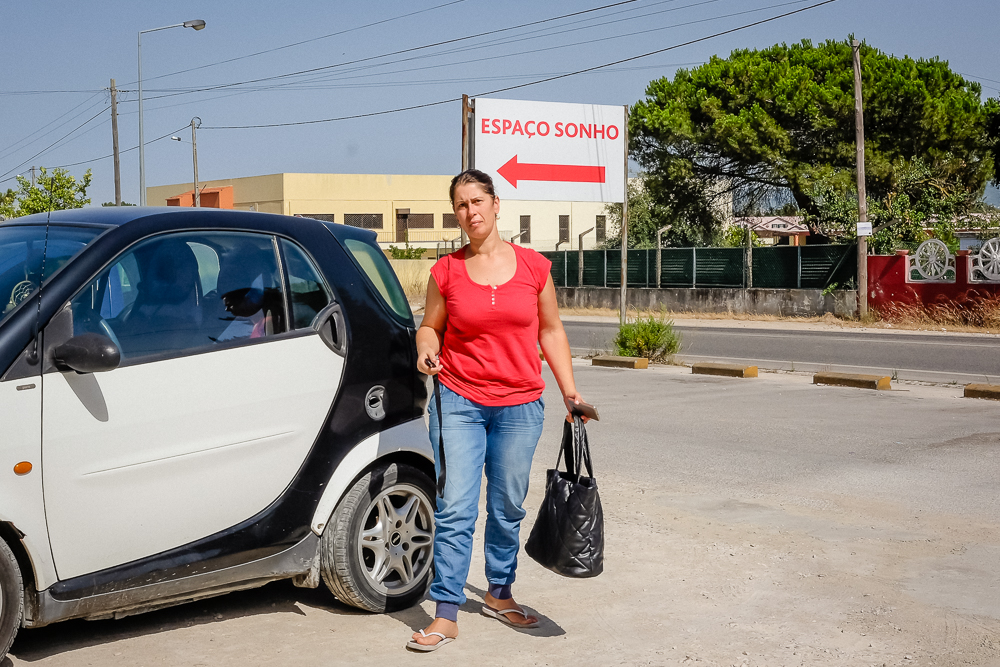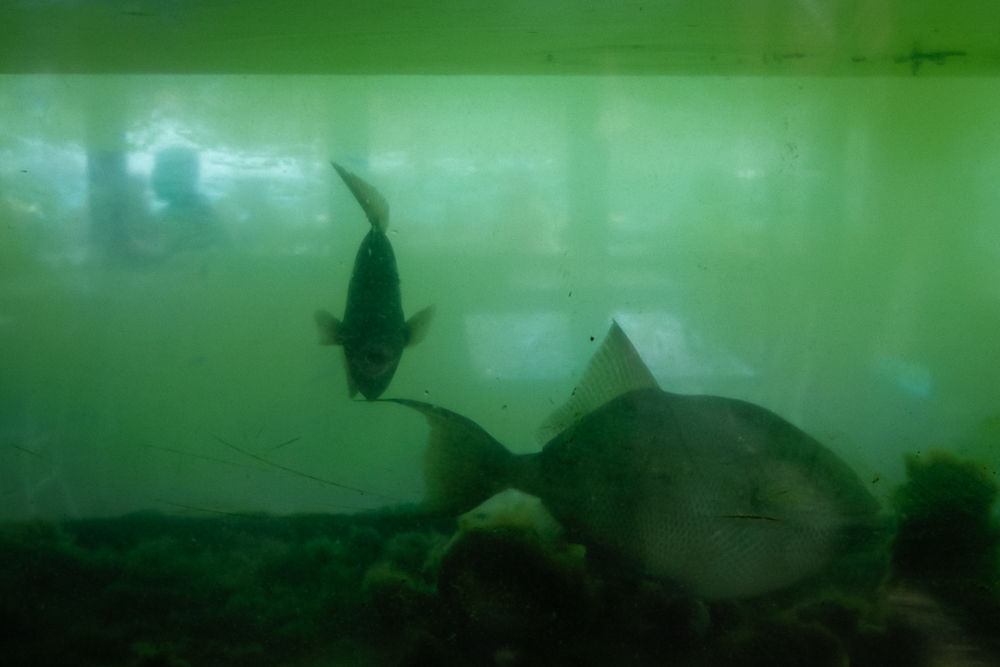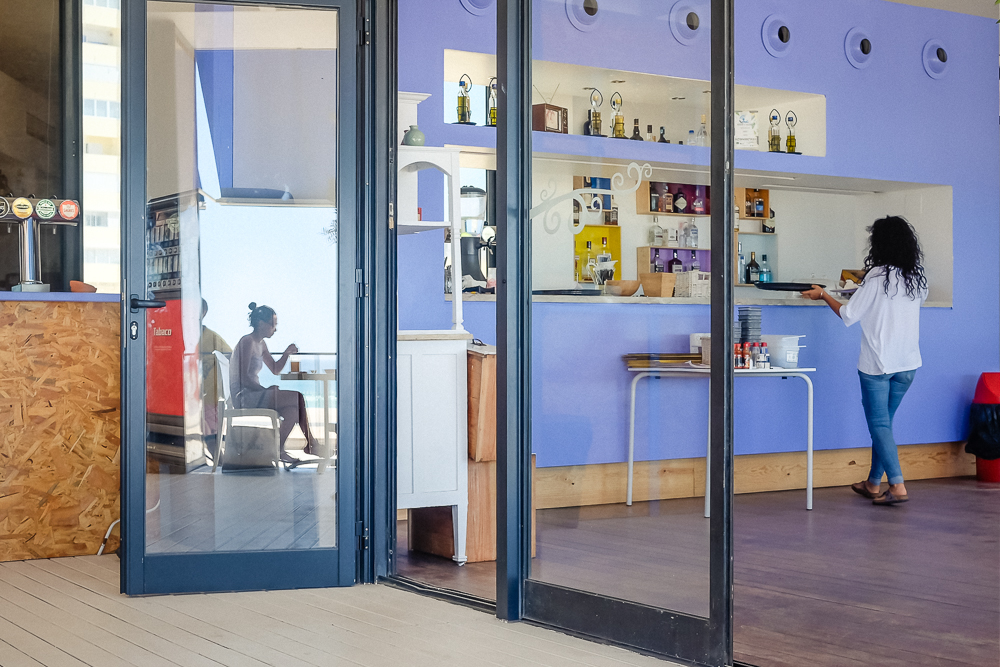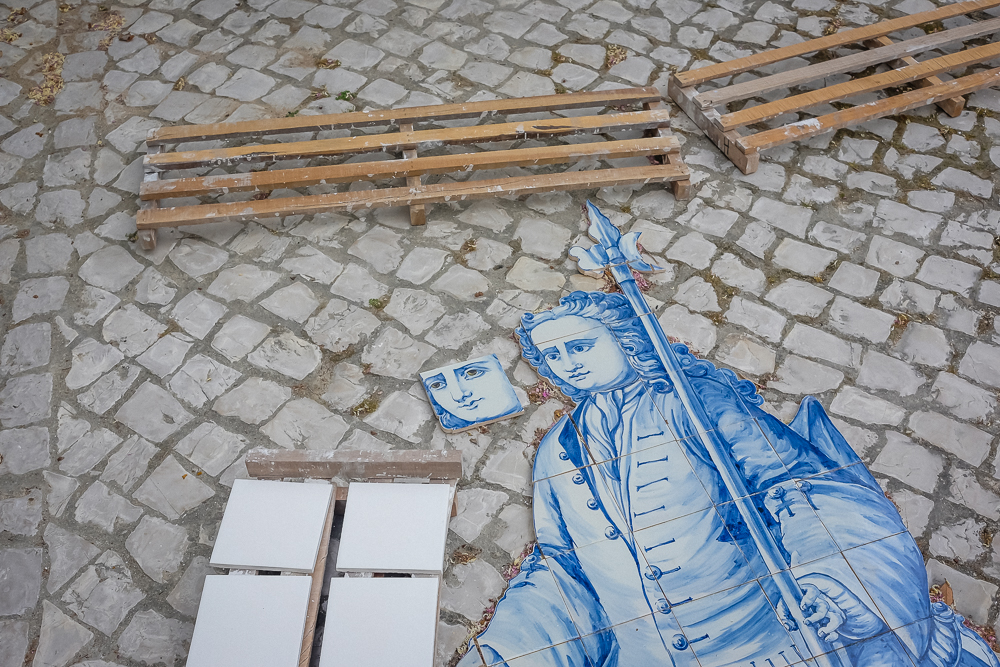
Photo essay: Dream Space / Espaço Sonho by Paul Castro

By Paul Castro:

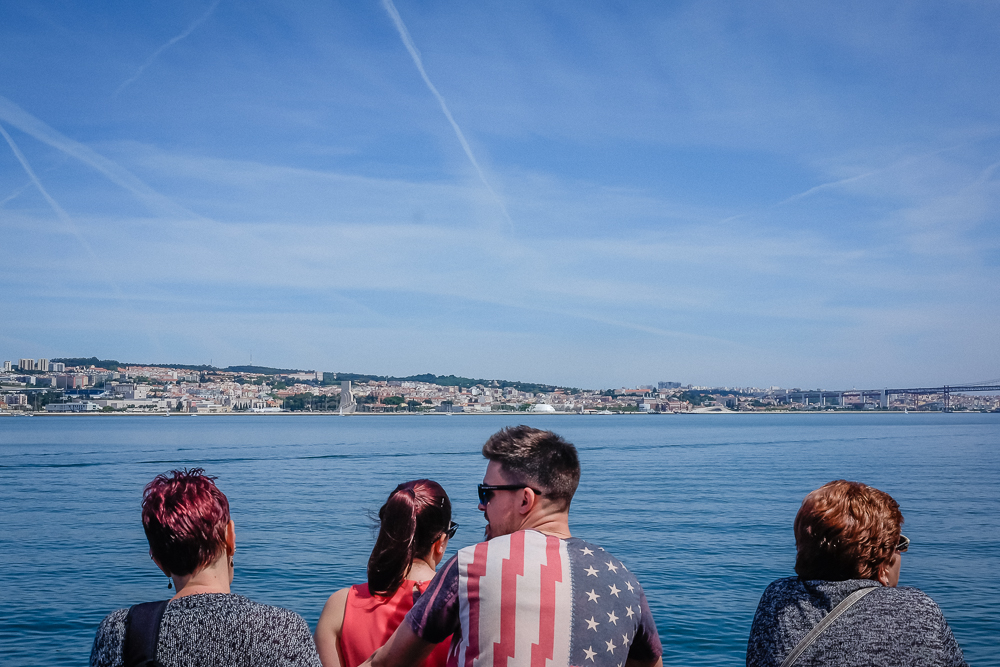
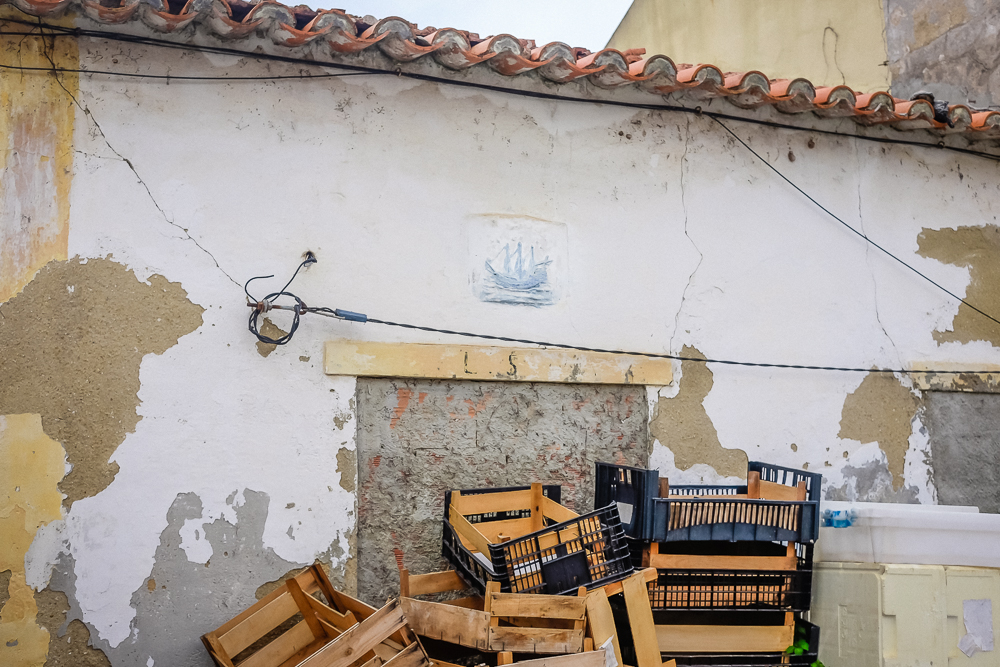
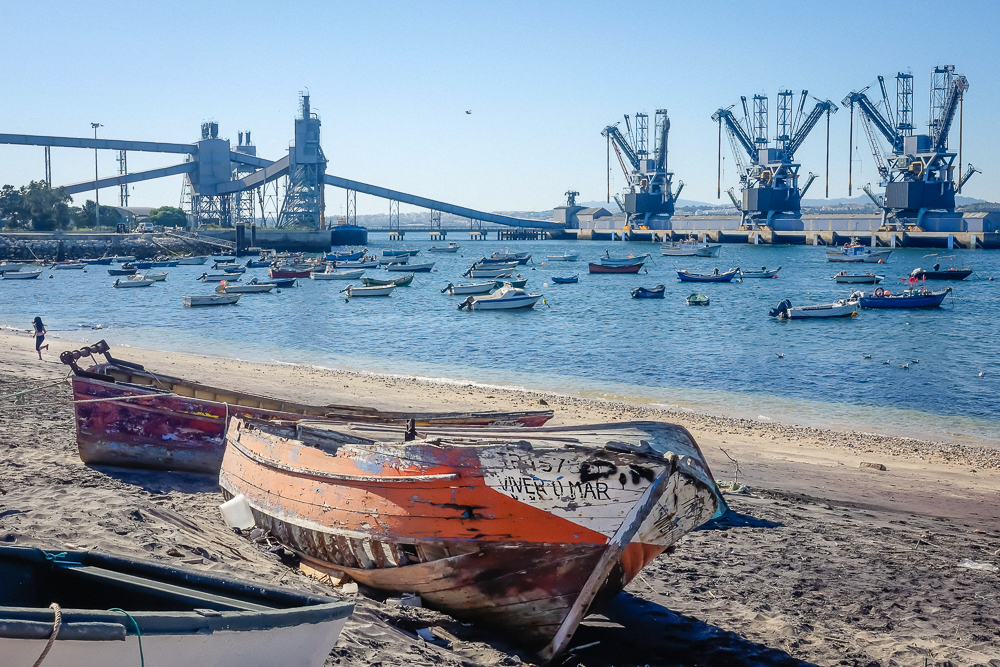
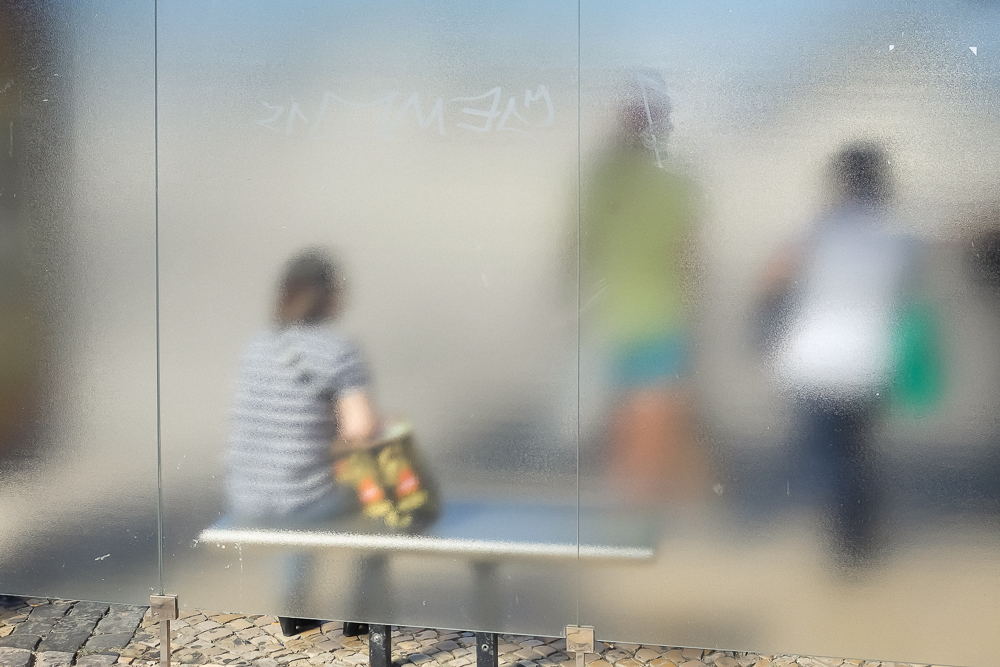
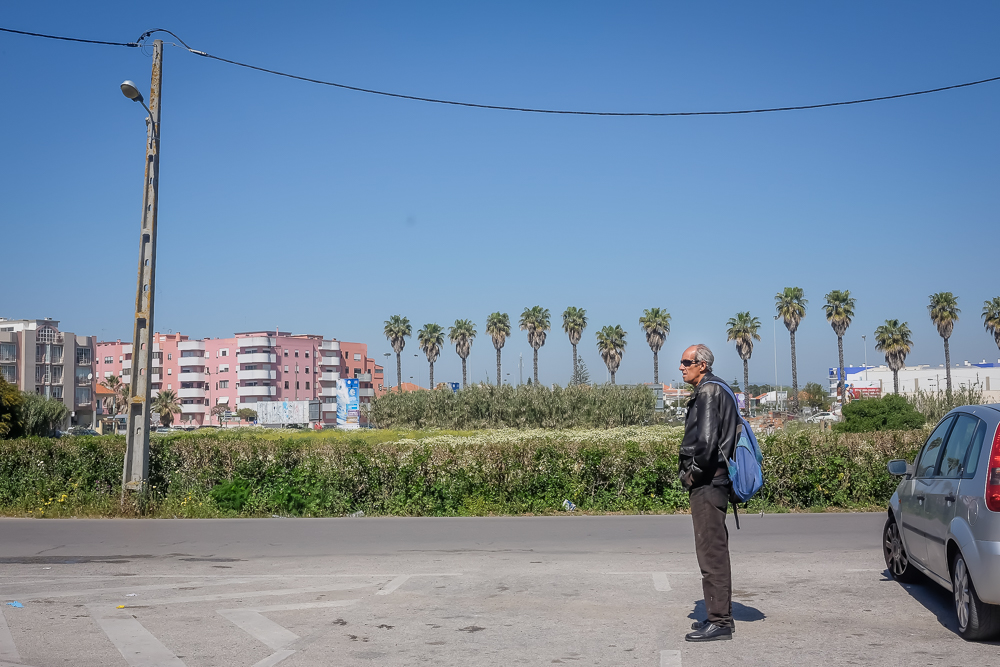
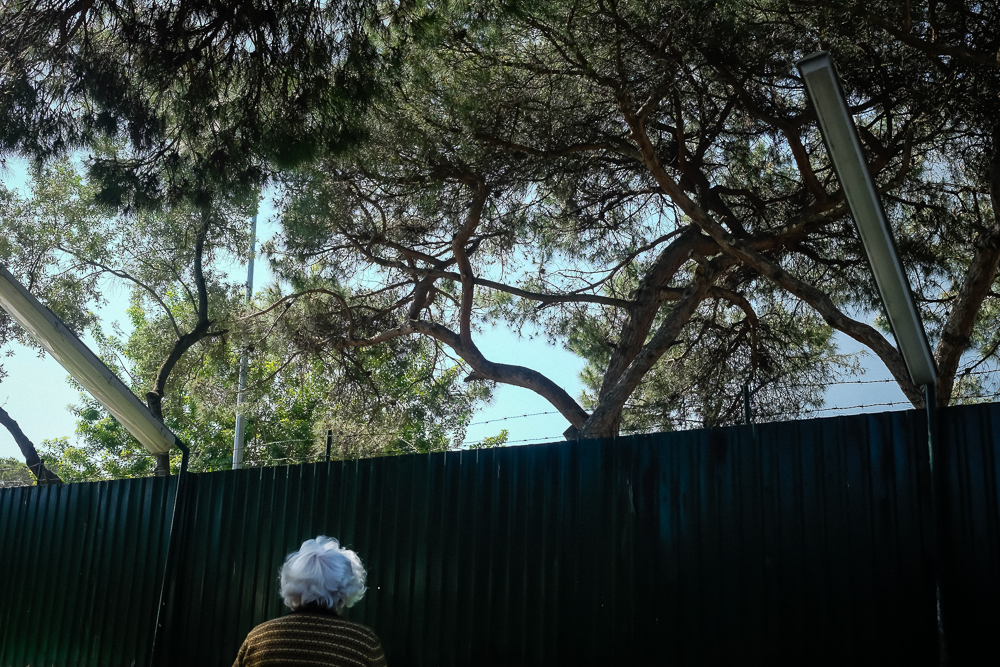
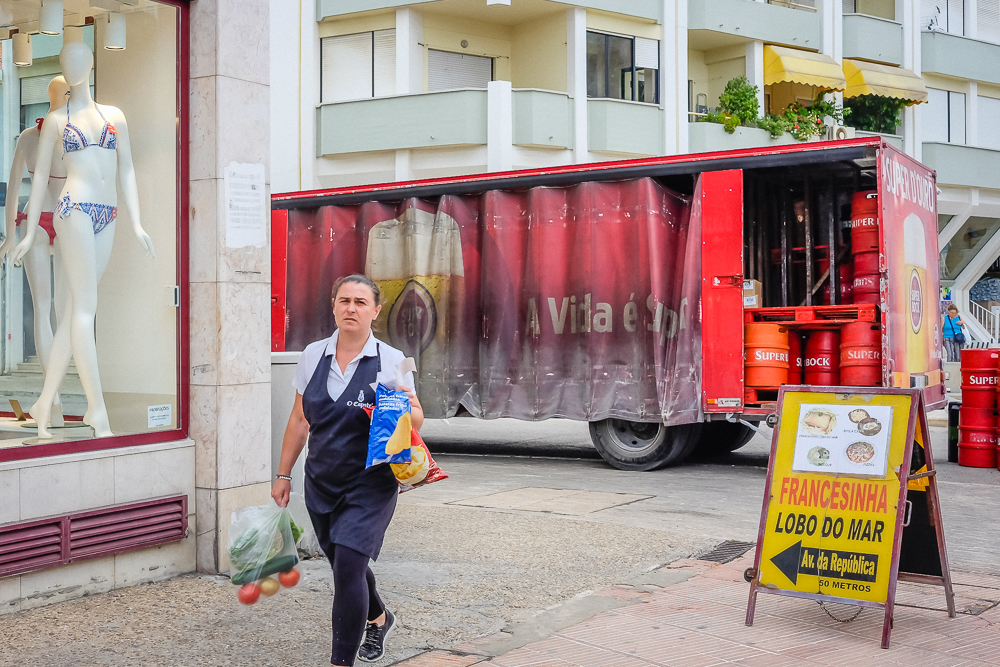
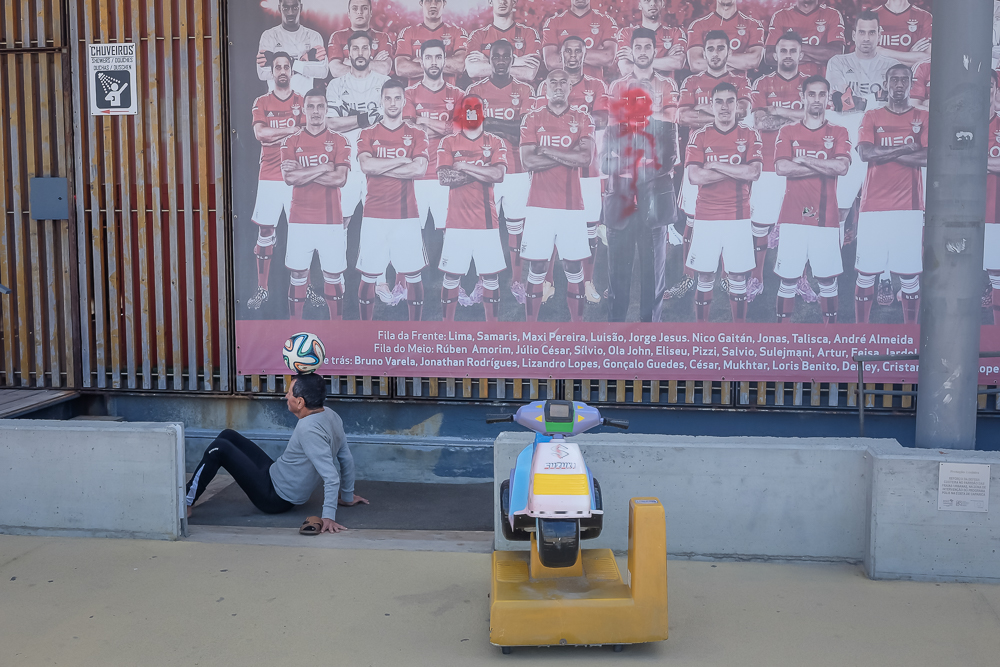
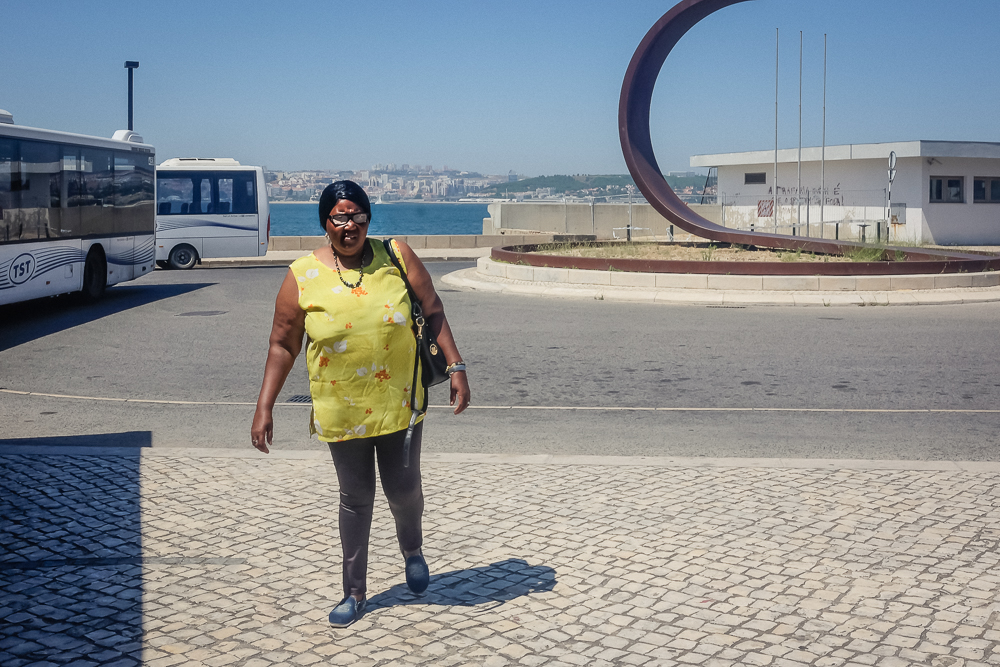
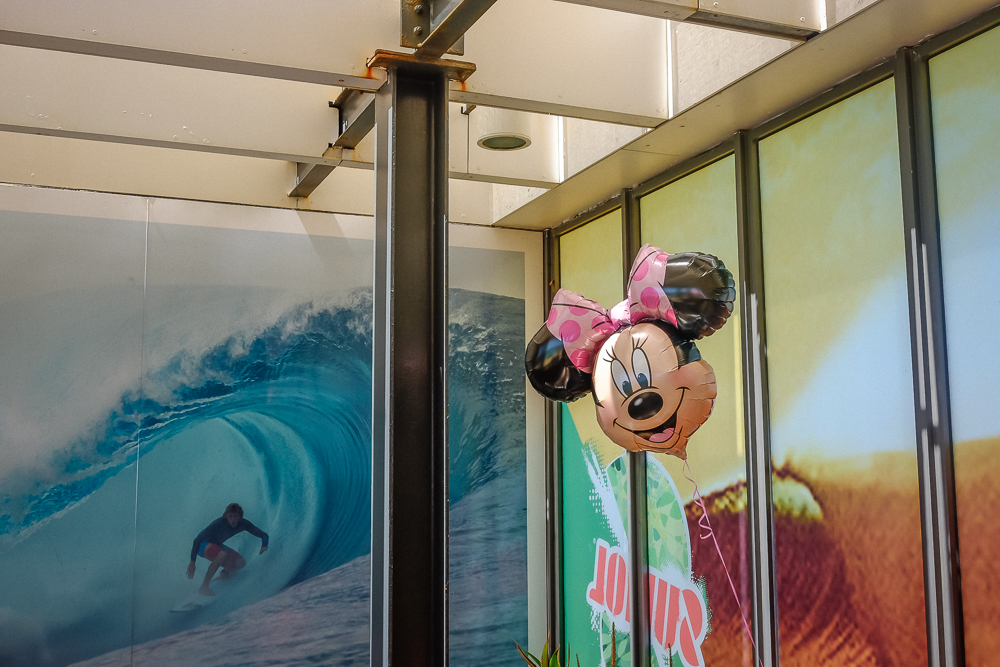
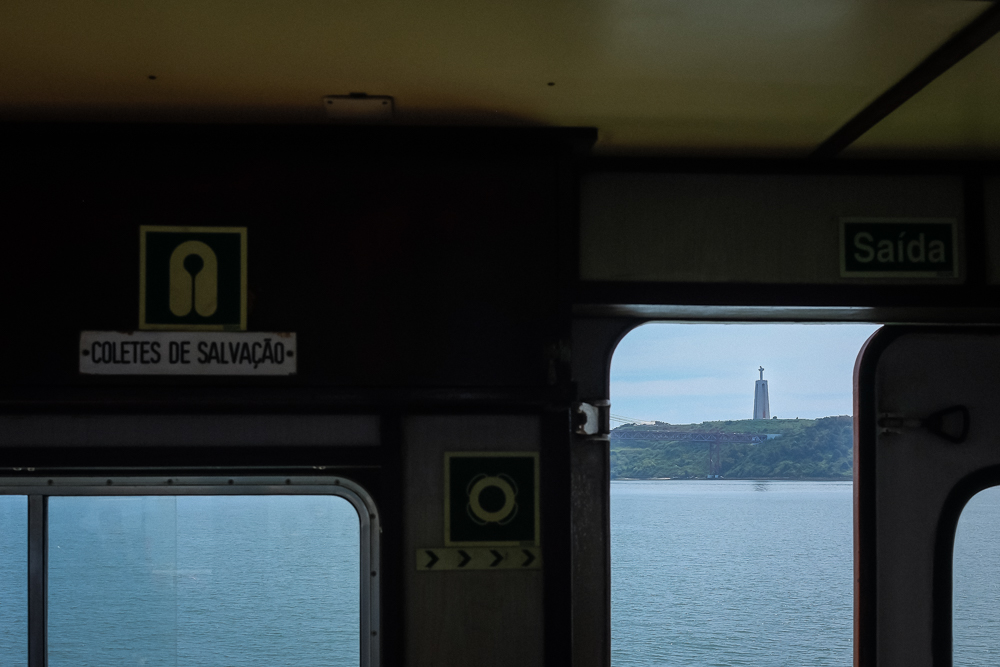
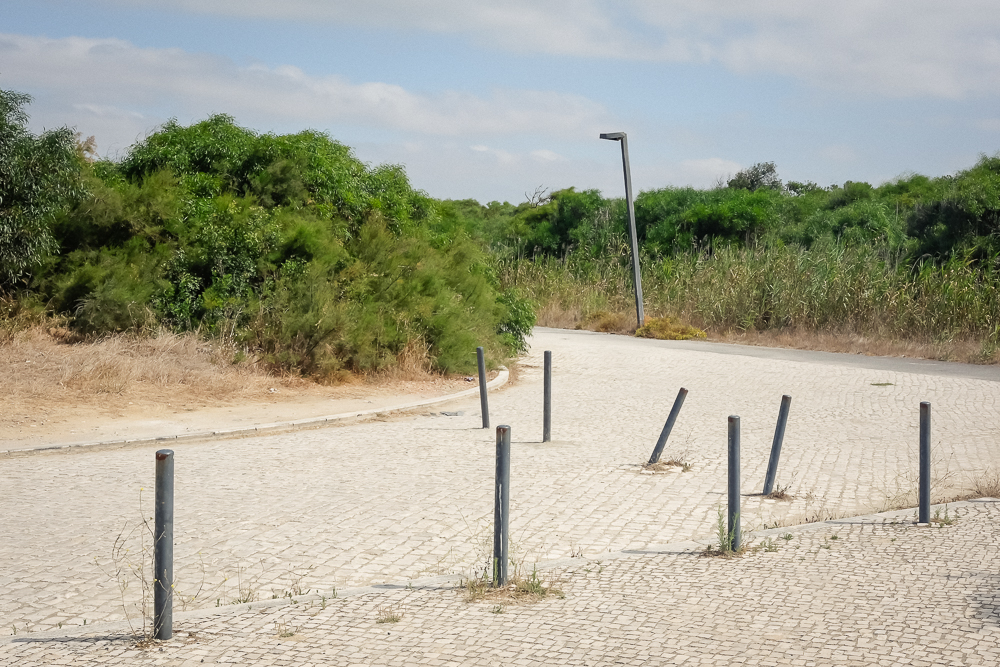
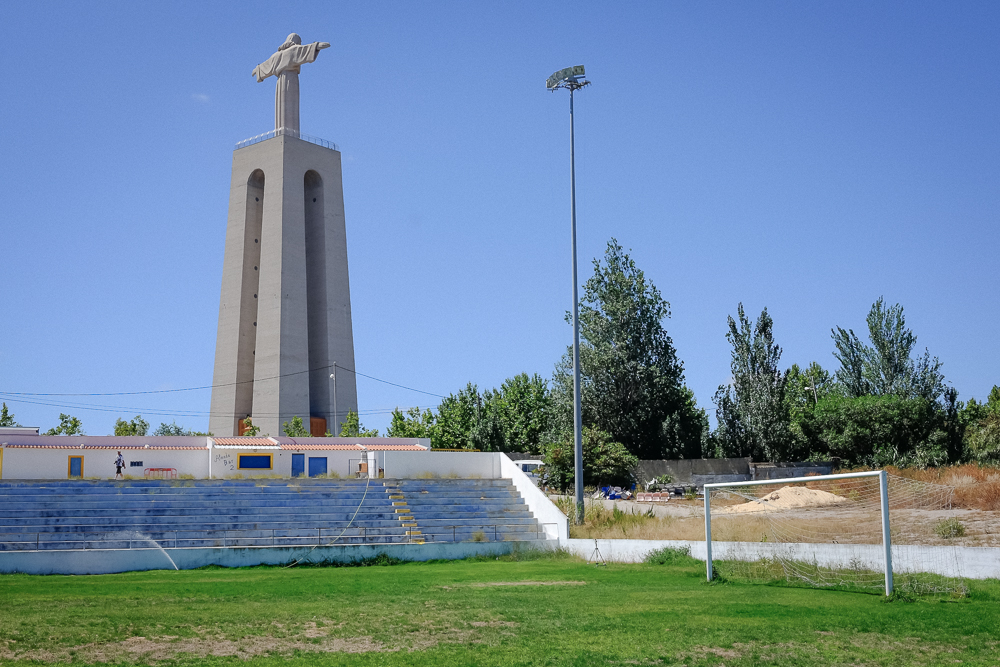
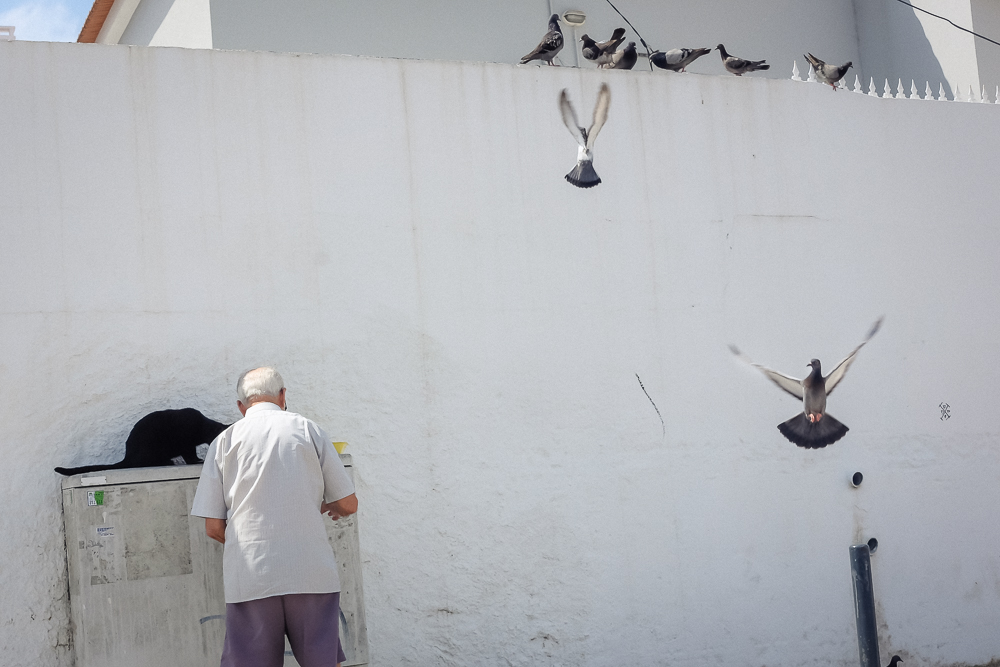
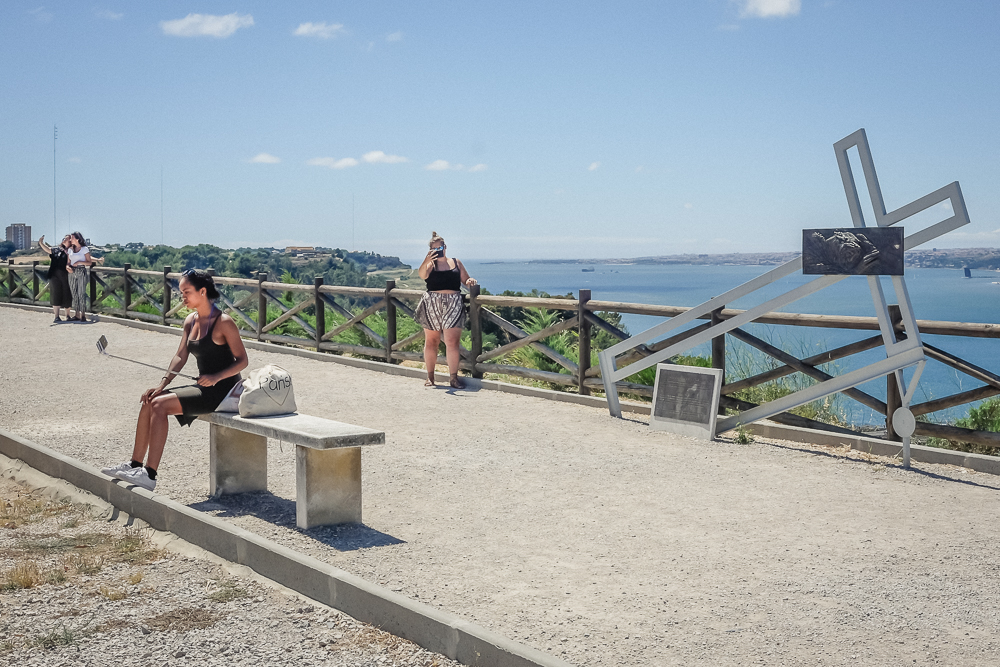
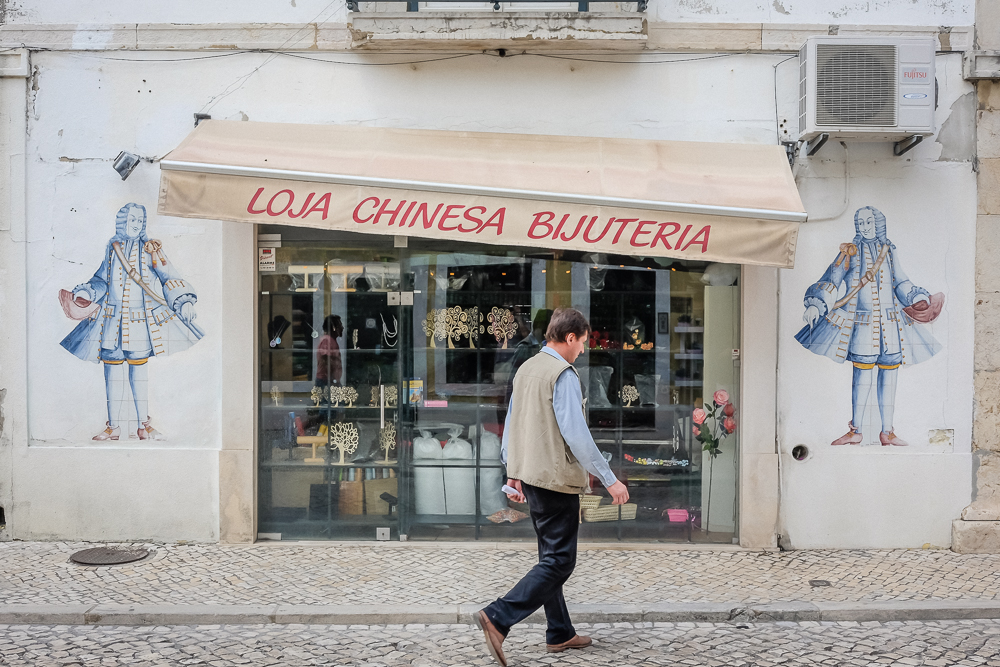
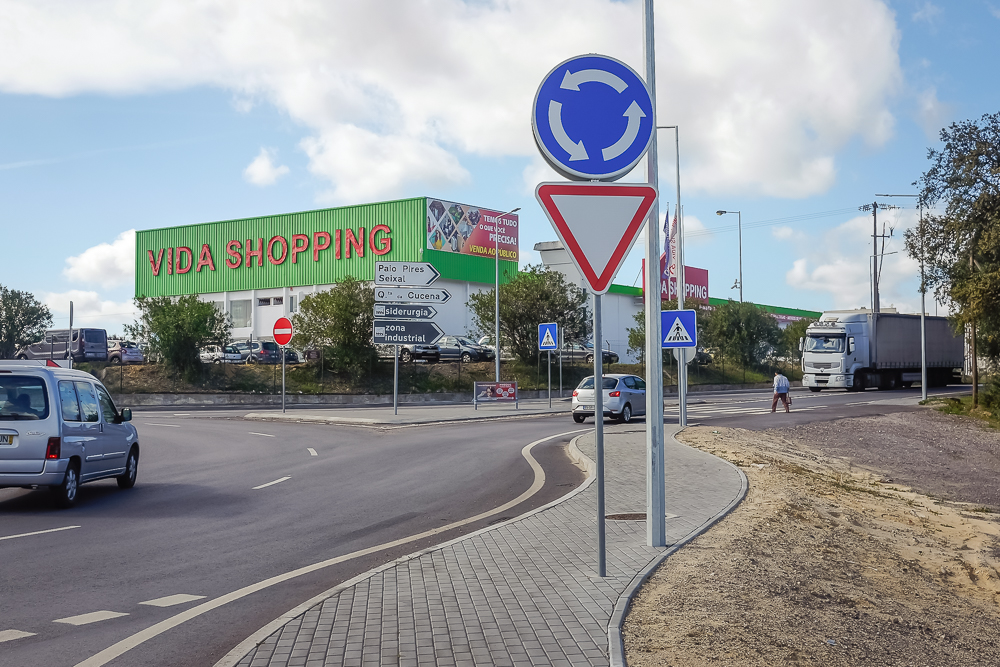
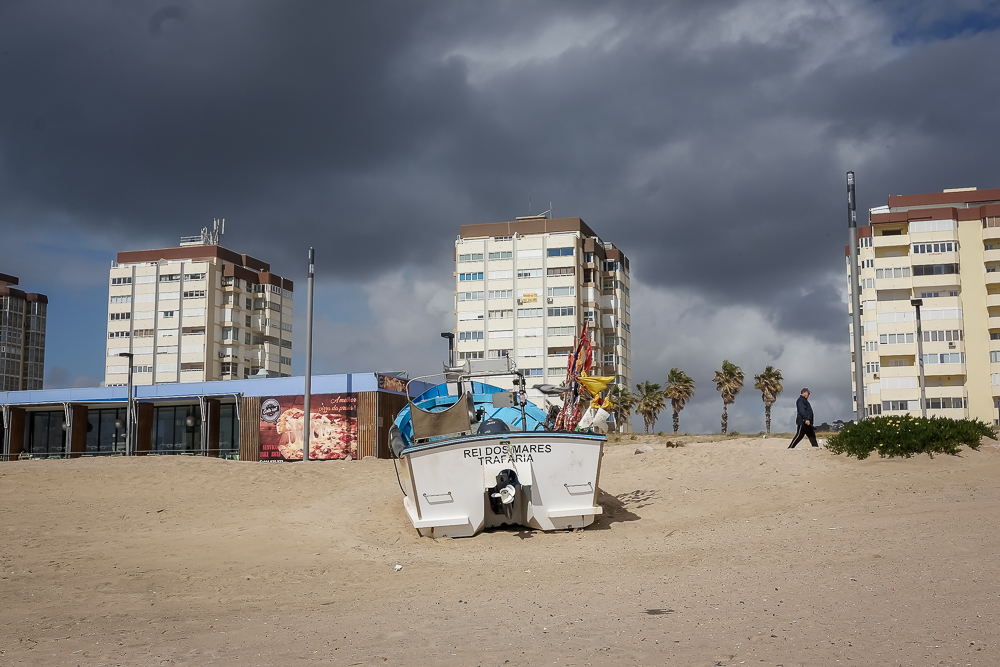
“Across the river from Lisbon lies the Peninsula of Setúbal, where these images were taken between 2016 and 2019. In this series I attempt to catch sight of what lies behind the iconic statue of Christ the King, whose arms stretch wide on untold postcards. It is an investigation of a a post-industrial landscape of malaise and renewal, urban overspill and passing holidaymakers, filled with scraps of national history and identity, a place where ordinary people also lead everyday lives.”

About the photographer: Paul Castro is a scholar and practitioner of photography. HIs practice is classic street photography, emerging from a mix of walking, curiosity and kairos. He’s interested in the fleeting mises-en-scène that, staged by his camera, use the world as set, cast passers-by cast as actors, and draw from the general unfolding of everyday life in lieu of plot – Paul’s website

May Book of the Month: Minor Monuments by Ian Maleney

Minor-Monuments-Cover-335x524.jpg

Minor Monuments - Essays
by Ian Maleney
Published by
Tramp Press

Review: Marcel Krueger:

Ireland is not always the country of gentle hills, Atlantic ways or peat fires in pubs that German tourists in Goretex seek out. This is a country of shibboleths and tribalism, of bullets on wets streets, hunger strikes and bomb blasts. And for me these things are as apparent on the streets of Belfast and Dublin as they are out on the tourist coasts, as apparent along the Grand Canal as they are out in the Midlands. For me as an outsider who has lived over a decade on the island of Ireland now, there are few lines of text that describe my feelings for this country better than the last stanzas of Seamus Heaney's 'The Tollund Man':

Out here in Jutland
In the old man-killing parishes
I will feel lost,
Unhappy and at home.

Maybe it is no coincidence that on the first few pages of his essay collection 'Minor Monuments', Ian Maleney recalls his partner taking a picture of him overlooking the bog near his family home in Pollagh in County Offaly and adding the same lines of Heaney to that image: Maleney is aware of the same darkness.

Together with Emilie Pine's 'Note to Self' (also published by Tramp Press) and Sinead Gleeson's 'Constellations', Maleney's 'Monuments' forms the spearhead of a new wave of Irish essay writing. Where in the past fiction was the order of the day, these days a new wave of Irish writers is again concerned with navel-gazing in the best sense of Michel de Montaigne: of looking at places, the country and oneself without the added filter of fiction.

Maleney's book is a rare kind of thing, as it finely weaves together three-layers in his (essay) writing: it contains 12 essays, each aligned topically: 'Shelter','Machine Learning' and so; and at the same time charts the descent of Maleney's grandfather John Joe into Alzheimer's and death; and this is also a book about Maleney literally leaving the bog and the established community and family structures of his home place - and observing them from the outside.

The main setting throughout the book is the home of Nana and John Joe, especially the kitchen ('a room where you can really feel the night falling.'), and the overall rural environment of the family houses and the ever-present bog at the periphery. Maleney, who also edits and designs Fallow Media, one of the finest examples of new online publishing in Ireland, not only talks about the meaning of the bog as energy supply and source of income for the community (Bord na Móna, the Irish Peat Board, built a peat-operated power station here, and John Joe and many others worked in peat harvesting), but also as the wild living thing it is:

The boundaries between bog and farm seemed to break down entirely. Houses, sheds, and farmyards appeared out of nowhere, perched on the edge of the blackness beyond. It was as if they'd carved a little bit of calm out of the bog many years previous, and had spent all the time since being attacked and undermined by feral wilderness. Whatever civilising sense they had was porous and partial. Nothing grew straight. Every bush and tree was a mass of tangles and nothing man-made remained square for long. Fences and gates were crumbling, and the breeze block walls of tin-roofed sheds sagged into the soft ground at incongruous angles. The road itself was one long twist punctuated by jagged potholes. The leafless branches of the hardy roadside trees reached out towards us, desperate and lonely. This was Turraun.

Maleney also talks about the distance that the writer as an outsider writing about history has to the lived memory that keeps community and place together, from which he willingly removes himself, with the help of other artists. Seamus Heaney makes multiple appearances, as do Richard Skelton, Rebecca Solnit or Susan Sontag. But Maleney's writing is strongest when he approaches the slow disappearance of John Joe and tries to examine what Alzheimer's means for the human suffering from it and their family and carers, which he beautifully does in 'Pneumonia':

Often the sea is literally wide, but sometimes it is more ambiguous than miles plotted on a map. Sitting in the kitchen with John Joe, I was struck by the resonance between two different experiences of exile; the emigrant and the amnesiac. As the past grew more distant and foggy in his mind, gradually disappearing over some unrecoverable horizon, the songs became more important and more accurate too. They were a link with that past, that foreign country, even as they dramatised the experience of losing it. John Joe sang like a man whose boat was rapidly filling with water. He had a very wide ocean to cross, one he could not swim over.

The place where Maleney and I live these days is still a dangerous and dark island, one where murder, pollution and cronyism prevail. It is good that we have writers like Ian Maleney laying himself and the country. For a clear and honest look at the sensitivities of Ireland and its people there are few better books out there at the moment.       

***

Wherever possible we recommend that readers of Elsewhere buy their books from a bricks and mortar bookshop or direct from the publisher.

Marcel Krueger is the Books Editor of Elsewhere: A Journal of Place. His writing has been published in numerous places both online and in print, and he is the author of Babushka’s Journey: The Dark Road to Stalin’s Wartime Camps (I.B. Taurus, 2017) and the upcoming Iceland: A Literary Guide for Travellers (I.B. Taurus, 2020). You’ll find him on twitter here.

Passages / Transambulare

20190127_183959 (1).jpg

By Anna Evans:

The passage is a city, a world in miniature.
– Walter Benjamin

Our walk back through the city, in the fading light, when everything starts to look different. We take the Metro upwards, with the idea that we can descend back towards the centre via a series of steps marking our route. I am charged with navigating streets unknown to me: guesswork, anticipating the disorienting effects of the darkness. Already, it begins to fold over us, obscuring the paths we take, bending downwards through the lit city streets.

You expect the secrets of the streets to unveil themselves like a map, as if you could look at them from above; but they only come step by step, there is no panoramic view.

It is at this time of day that the city begins to reveal itself. When street lamps are lit, exposing walls and the narrow passageways between buildings. The lights illuminate brightly so that the wall seems cast in yellow stone, and the shadows of overlooked corners steal away to find new hiding places.

The shutters suggest a neglected abandon, broken and crumbling. For a moment I am mesmerised, drawn inwards to claustrophobic interiors, the living darkness; concealment of unspeakable shadow. Echoes of the uncountable possibilities of the concave life of the city.

Out on the streets daytime is retreating, furtively, while the night is lit up like a museum display. Steps leading upwards, and at their base the silent scream of graffiti on walls. Unabashedly colourful, it becomes a mural, taking its place within the narrative of the streets.

As we walk, you identify one of the symbols that mark the famous passageways, the lion’s head, and opening the heavy wooden door we enter, perhaps there is a passage through. At the entrance I take a photograph…

***

It has been a day of wandering streets, drawn into courtyards and entrances, seeking glimpses of interiors, arches and vaulted ceilings. The traboules, the network of passages between buildings, crossing through the streets of old Lyon.

When the city was occupied in the Second World War, Resistance fighters used this system of passageways to evade the Gestapo and as meeting or drop-off points. Perhaps this is why they feel underground in some way, like stumbling upon the unseen and hidden side of the city. An in-between space, they suggest undercover operations, secrets and trespass, a code you have to know about; off the map.

They are a passage through where it looks like there is none.

***

The photograph shows a series of staircases lit up, rising to the top of the building. Railings ascending, the stairwells connect the floors, crossing sides and linking them together. The stairway exposed, ironwork and stone pillars; it is as though one partition, one side of the edifice has been removed, like a doll’s house.

In the photograph, the yellow light is eerie; it accentuates murkiness and incandescence. The ascent of the stairs a gradual slant upwards, shadowy and bending towards the reflected cast of iron railings. Lit up, haunted space. Through the closed door the city continues, spilling its inside into the outside. It is like seeing what usually takes place under cover, behind the walls of the building. Like an undercover car park, subterranean and suggestive. The illusion of mystery; what it looks like when no one is around.

Looking at the photograph, I notice the figure again; remembering how entering the passage had seemed like an intrusion, into a space we thought was empty. In the way that cities have always that possibility of an encounter, in passing by or meeting another, in crossing over. Footsteps following onwards.

In the contrast between bright and dark, the figure both blends in and is exposed. Like a shadow emerging from the walls of the building, ghostlike, and appearing only as the photograph is taken. An apparition. An echo of the light and the shadow. As if the figure is both there and not there.

It is the stillness of the figure that strikes me now. It is as though they have been sitting a long time, on the stairs, outside of laws and history. The lit cigarette, like a pause. The brightness of the light making a silhouette. The smallness of a human figure positioned in space and timeless, against the city streets. A witness to all the hidden and secret encounters, and to everything that might take place in a passageway.

***

Anna Evans is a writer and researcher from Huddersfield in the north of England, currently living in Cambridge. Her interests are in migration and literature, cities and movement, and she completed an MA in ‘Writing the Modern World’ at the University of East Anglia in 2017. She is currently working on a project on the places in Jean Rhys’s fiction.


Five Questions for... Cosmo Sheldrake

Interview by Sara Bellini:

The first time I saw Cosmo Sheldrake performing I could detect an intriguing mix of musical influences and yet he sounded like nothing I had heard before. This singer-songwriter / composer / multi-instrumentalist from London makes music combining field recordings of endangered animals and his own vocal improvisations. Luckily he has the nice habit of telling his listeners the stories behind his songs, accompanied by music samples of the various musicians in his wildlife orchestra…  “and on the bass, the long-eared owl” or “this is what a healthy coral reef sounds like”.

Cosmo Sheldrake grew up in a creative environment between music and nature, has a background in anthropology and a body of work that includes composing music for Beckett’s plays and the soundtrack of the Netflix series Moving Art. His first solo record The much much how how and I was released in 2018, following the EP Pelicans We and the single The Moss. His current work about endangered bird species brought him to a collaboration with Extinction Rebellion last month in London, where he played a song made entirely of recordings of endangered British birds, streamed live on smartphones and portable speakers. At the beginning of May he released Owl Song and Dawn Chorus.

Cosmo Sheldrake is “really interested in capturing a sense of place in music” and in particular in making “ecological music, music that emerges from a particular place or ecosystem”, which made him a great choice for an Elsewhere interview. Here’s how he replied to our Five Questions…

What does home mean to you?

Hard to answer that concisely as it’s a big question. But I grew up in a house that I still spend a lot of time in and make music in. So, I have been lucky to put down roots in that place and have a real connection with it. So the simplest answer would probably be the place I grew up.

Which place do you have a special connection to?

I have a special connection with lots of places. But one that pops to mind is an island in British Columbia that I have gone to more or less every year since I was born. Feels like a second home. It very much feels like I have done a lot of my growing up there.

What is beyond your front door?

Well I live in Seven Sisters (North London), so a reasonably busy road. But outside the front door of my studio and the house I grew up in is Hampstead Heath. It’s the closest you can get to not being in London while being in London, a thousand acres of fairly wild land. Another place I have a very special connection to.

What place would you most like to visit?

Ooooh, so many! Just to pick the first one that popped into my mind, Colombia.  

What are you reading / watching / listening to / looking at right now? 

Right now, I have about six or seven books on the go. I am reading a book called Imagining Extinction by Ursula K. Heise. It’s about how people have responded to ideas around extinction, a sort of anthropology of extinction.

Another one in the pile is Air and Dreams: An Essay on the Imagination of Movement, by Gaston Bachelard. He is hard to really pigeonhole but I guess he is a kind of philosopher of poetry and much more. Another one I am racing through at the moment is a book called The Invention of Nature: The Adventures of Alexander von Humboldt, the Lost Hero of Science by Andrea Wulf. Which is a brilliant book about Alexander von Humboldt, who was an absolutely extraordinary man. A total visionary, the book is about how the idea of nature that we more or less take for granted is largely to do with his work and discoveries. He was in a sense one of the first ecologists (in a modern scientific sense).

I am also reading a book called Getting Started in Radio Astronomy, which I guess is fairly self-explanatory. I want to build my own antennae and start recording sounds of space.  Have a few more I am chewing through also. I find it impossible to read one book at once. One more that I am not reading at the moment but is a great book on the nature of place is a book called Wisdom Sits in Places: Language and Landscape Among the Western Apache by Keith Basso.

***

Find out more about Cosmo Sheldrake via his website and on twitter.

Sara Bellini is the online editor of Elsewhere: A Journal of Place. She lives in Berlin, the place she calls home at the moment.

Everything I Didn't Find in Vancouver

Painting by Jase Falk.

Painting by Jase Falk.

By Jase Falk:

Warm light and wanting circle in through my earbuds. Patterned question marks and safety lights line the aisles of the plane. I’m missing you already as you write poems and drink matcha in Winnipeg. We weren’t steady in our love then and we aren’t now either, but in this distance and exchanged letters it felt like there was a growing—we wanted there to be a growing.

I stepped off the plane, my gender caught up in tangles of hair. The way you used to run fingers through the knots and listen to the slow hum of my heartbeat pulling up through veins traced down the length of my forearms taught me the meaning of safety. A latticework of language formed the shape of us. I needed shape to myself; had I no shape to myself? Years passed through me like how grandma used to whisper stories while the world slipped by, our cups of tea shimmering to its beat, leftover paska bread, eggs dully cooked, yokes a disintegration of yellow in the pan.

Float through Vancouver like a ghost; spectres of me dance down alleyways in graceless imitation of you. I’ve always envied the way linen hangs differently on your shoulders, like soil grew and wove it there. No lack of confidence in your cursive. My stumbling into coffee shops, penning words like you penned down words. My wanting you bore such resemblance to my wanting to be you. Your letters gave me form like the inside of my bones.

Flashes of red and yellow as I travel through the underpass. Loud sigh of my bicycle break’s un-oiled song. This city’s grid is not interrupted by muddy water. I kept peeking over the boardwalks on Granville Island only to see faint ripples of my face return.

Drift back from apartment on Davie street to wet lines and rainbows sliding down Commercial Drive. All is queer at night, but in the day we hide ourselves. All is poured out here, but back home I hide myself.

Night of fairy lights, soft guitars paired with words falling petal-like on the small crowd bundled up in wine stained blankets. There is a kind of softness that knows how to cut out space in a world which does not want it. I’m all broken open up in tasseled fissures. Never knew words that could work their way through such a thicket of skin. Afterwards, a woman shares her smoke with me. We talk by the fence while groups of warm bodies move aglow like candle light nearby. I hope to find identity. I don’t quite identify. Her words cluster and form hickeys above my collar. She knows but doesn’t say. I know, but don’t know how to say. I told myself I would not serve, but here I am passing wine amongst loving faces under porch lattice, vines carry their long bodies down to play on our shoulders. We are graced. We sing grace though we don’t know it. Don’t know who we’re singing to as wax spills over tablecloth, the light almost out. She would have asked for a kiss goodnight, but saw my unknowing for she had known it before. Warm arms fasten body to ground then fall away like the smell of rain carrying me into the night.

Your wanting spurts out in a phone call, alone with its uncertainty. I change my flight and leave a week early. The seat buckle tightens around my waist and the flight attendant asks “sir, would you like a drink?” I gather question marks from around my feet, tattoo them onto skin. You curl loose fingers around my shoulder and don’t know me. I grow into you—toss my questions in the messy corners of your room. Return the fullness of myself; put this body in motion. We tangle into one another, we still don’t have the right words, but brush chalk dust off and name each other till we find a stillness. Vancouver listens, patient in the distance, for anything to awake in the absence of its cedar.

***

Jase Falk is a non-binary writer who spends time in archives daydreaming of cedar trees and different futures where we have a chance. You can find them on Twitter here.

9HDU

Cooper 4.jpg

By David Cooper:

Outside, beyond the guanoed glass, was the place that I’d left two decades earlier. Each day, for three full weeks, I looked out to get a purchase on the city that, however long I’ve lived elsewhere, will always be fixed as home. Every so often, though, I adjusted my focus so that I could see the reflection of the room on the surface of the window. In the glass I was reminded that, behind me, my Dad’s failing body lay flat on a bed.

During those three weeks, I thought a lot about places. Inevitably, I thought about the places in which my Dad had spent his life. He’d always lived in cities. The first five years of his life were in Cardiff. Later on, he spent much of his twenties in pre-gentrified New Cross, just around the corner from Goldsmith’s. Nottingham, though, was my Dad’s city: the place that he spent most of his childhood and adolescence. Growing up, we listened to his stories of summer days spent fishing on the Trent and of Saturday morning meetings by the lions on Slab Square. In our house, the suburbs of Arnold and Mapperley, Carlton and Hucknall, were edenic elsewheres.

If Nottingham was a remembered place, Liverpool was an always-emerging present: the city where my Dad lived and worked for most of his adult life. Looking out of 9HDU, it was impossible not to worry about the politics of this place. Up here, from the ninth floor of the Royal, Liverpool seemed to turn its back on the rest of England. In the past, I’ve always felt a more-than-slight embarrassment with Liverpool’s narratives of exceptionalism. Yet, on 9HDU, unease was replaced by approval: I respected the city’s ambivalence towards establishment ideas of Englishness; I admired the apparent disinterest in the visions of Albion being pedalled by Rees-Mogg’s aristo-vaudeville act 200 miles to the south in the Palace of Westminster. Here, on the rim of the Irish Sea and looking towards north Wales, Etonian England seemed a long way behind us. But, of course, Liverpool is only ever semi-detached from the rest of the country and its political landscape. To the right, I could see the docklands whose transformation owed so much to European funding. Closer still was the shell of the new Royal. Originally scheduled to open in March 2017, building work on this hospital stalled early in 2018 as Carillion collapsed.

Cooper 1.jpg

Sitting, hour after hour in a punishing plastic chair, I also thought about the relationship between the worlds inside and out. In the day, the contrast was marked. Indoors, 9HDU was a zone of measured hyperactivity. The nurses – countries of birth: India, Italy, the Philippines, Portugal – danced between the beds with choreographed care. The doctors – countries of birth: England, Nigeria, Sri Lanka – monitored, reflected and, recorded. This sense of activity was acoustic too. Throughout the day, the keynote was the rhythmical beeps of the dialysis machines scattered across the unit. As my Mum put it on Day 12: ‘you tune into their music after a while’. In contrast, the world outside seemed serenely still. Although we looked out across the city centre, we couldn’t – through a geometric quirk - see any road traffic from our vantage point on floor nine. From here, then, the city seemed a static space. Over time, we got our eyes in and began to read the undulations on the Mersey in the middle-distance. We had to work pretty hard, though, to pick out such surface movements. For the most part, the ward window provided a frame for a motionless panorama; an updated version of Ben Johnson’s acrylic painting of the city a decade on from its year as European Capital of Culture.

The dark, however, brought a reversal. Towards the end, we spent a few long nights alongside my Dad in the hospital. During ‘the hours of hush’, the strip lights were dimmed and 9HDU morphed into a soothing space. This strange stasis was juxtaposed with the dozens of dots flitting across the autumnal darkness outside. Looking down, tiny lights progressed slowly up the Mersey and out into Liverpool Bay. Looking up, more lights flashed as planes followed the arc of the river when coming into land in Speke. At night, we were reminded that this is, and always has been, a city of comings and goings.

9HDU seemed to be hermetically sealed. If I shifted the plastic chair into a particular spot, however, I could feel cold air entering the room through a gap around a window that, absurdly, could only be opened through the nurses’ use of a stained silver tea-spoon. For the staff working on 9HDU, that gap was a practical problem as well as a constant reminder that the new hospital remained not much more than an architect’s fantasy. The only solution, to prevent the cold from getting in, was to shut out the city by pulling across the disposable curtains. I felt differently, though. I wanted those curtains to be yanked back so that my Dad, lying flat on the bed, could see the spikes and sandstone of the city’s two cathedrals. I wanted the cold air to come into the room and to flow towards him.

As I sat there, I thought about the wind moving towards us. It came over the Clywdian Hills and across the flatlands of the Wirral. It travelled over the Mersey and snaked through the city’s streets and alleys, squares and churchyards; it picked up pace as it headed past Lime Street and up London Road towards the Royal. I imagined that something of the city came with that wind as it crept through the gap and into 9HDU. The city flowed into the room, and into my Dad, as, at the last, he struggled to breathe back out.

***

Three months on, I spoke to my Mum on the phone one evening. It was getting dark outside but she told me that didn’t want to shut the curtains in the living-room at home. ‘We used to close them to tuck ourselves in’, she said, ‘but I can’t feel tucked in anymore’. Those curtains have remained open.

***

David Cooper is a Senior Lecturer in English (Place Writing) at Manchester Metropolitan University whose research concentrates on literary geographies. David on Twitter.

In Profile: Edgework – Journal & Store

TJENTISTE – Andy Day

TJENTISTE – Andy Day

Here at Elsewhere we have long been proud of our collaboration with Edgework, an artist-led, cross-disciplinary journal and online store with a focus on place founded by the artist (and Elsewhere contributor) Layla Curtis. The journal gives space for artists and professionals from a range of disciplines and allows them to give readers an insight into their extended research, fieldwork and working methods. The online store then promotes their work, specialising in editional artworks on paper, publications, posters, postcards and also the work of independent publishers who share their ethos and emphasis on place… including us!

WORLD POLITICAL (Detail) – Layla Curtis

WORLD POLITICAL (Detail) – Layla Curtis

‘Edgework contributors take risks; conduct deep explorations of our cities' overlooked, forgotten and forbidden spaces; misuse, reclaim or appropriate architecture; test the boundaries of access; subvert surveillance technologies and pick apart cartography. They explore the margins of our urban spaces examining how we inhabit them, move through them and establish a sense of place. They are overland wanderers or remote viewers who reflect upon our relationship with nature and landscape.’ – Layla Curtis, founder of Edgework

Artists whose editioned work can be found in the Edgework online shop include Susan Collins, Layla Curtis, Andy Day, Alec Finlay, Joy Gerrard, Lucinda Grange, Graham Gussin, Nicky Hirst, Lee Maelzer, Simon Woolham and George Shaw, and over the coming months we will be profiling them here on the Elsewhere blog. At the same time, we would encourage our readers to explore the different posts, essays and articles on the Edgework journal pages. Recent articles we have enjoyed include ‘The Walking Library for a Wild City’ by Dee Heddon & Misha Myers, and ‘Mapping the Wild City, Fiadh-Bhaile, Orasul Salbatic’ by Alec Finlay.

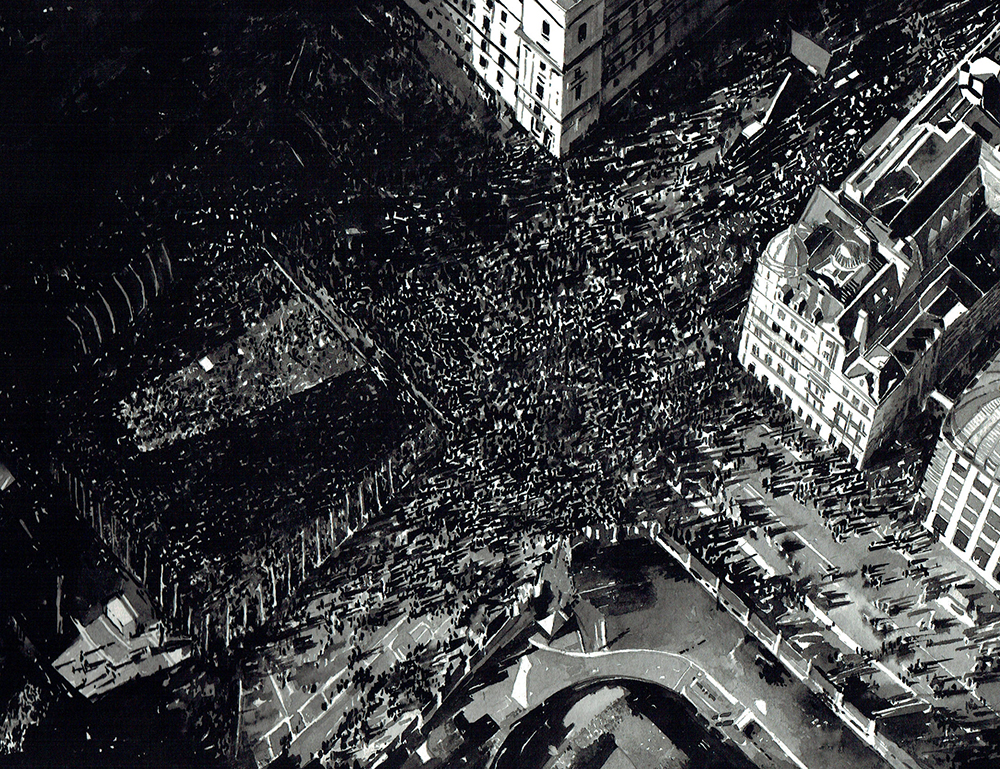
PROTEST CROWD (NO BREXIT PEOPLE’S VOTE MARCH PARLIAMENT SQUARE, LONDON, 2018) – Joy Gerrard

PROTEST CROWD (NO BREXIT PEOPLE’S VOTE MARCH PARLIAMENT SQUARE, LONDON, 2018) – Joy Gerrard

Another aspect of the project that we have especially enjoyed over recent months is the series of Instagram Takeovers on the Edgework feed. Here, they have invited artists to post images onto the Edgework account over a period of time, highlighting a specific project or body of work and it is well worth checking out. We are really looking forward to showcasing the talents of the artists involved in the Edgework project, and we especially like the opportunity that Edgework offers to connect directly with artists, purchase their work and support what they do.

Edgework artists whose work appears in this post:
Andy Day
Layla Curtis
Joy Gerrard


The Fabric of Place: Yinka Shonibare's The British Library

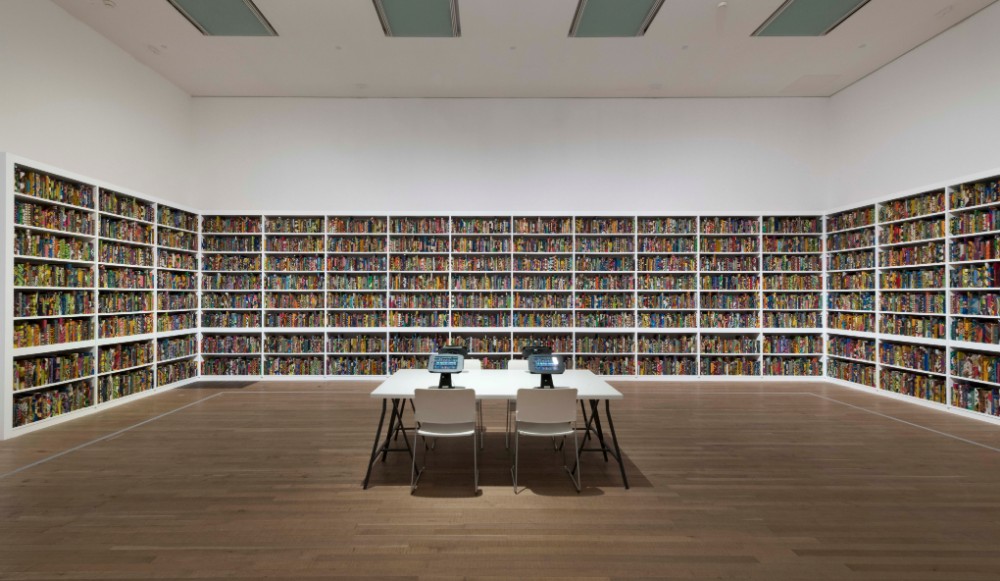
The British Library, 2014, by Yinka Shonibare, Tate Modern 2019 © Yinka Shonibare. Photograph Oliver Cowling, Tate. Purchased with Art Fund support and funds provided by the Tate International Council, the Africa Acquisitions Committee, Wendy Fisher…

The British Library, 2014, by Yinka Shonibare, Tate Modern 2019 © Yinka Shonibare. Photograph Oliver Cowling, Tate. Purchased with Art Fund support and funds provided by the Tate International Council, the Africa Acquisitions Committee, Wendy Fisher and THE EKARD COLLECTION, 2019

By Sara Bellini

It was 2014, during what ended up being my final months in England before leaving for good. In my attempts to deal with work-related stress I started taking day trips to escape central London, and it was thanks to two of these trips I came to know the work of Yinka Shonibare.

Without knowing it at the time, my first encounter with his art dated back to my very first week in the country in 2011. His work Nelson's Ship in a Bottle was on display on Trafalgar Square’s Fourth Plinth, with its colourful sails made of the artist's signature Dutch wax fabric. The fabric (and the meanings behind it) would be the detail that stuck with me during the years, while the photos I took got lost in my poorly managed digital memory.

Dutch wax fabric visually identifies West Africa, including Shonibare's parents' native Nigeria, where he also lived as a child before moving back to the UK to study. What I didn't know about this textile is how complex its ties with colonisation, globalisation and identity are.

Dutch wax fabric takes one of its names from the Dutch merchants that started mass-producing it in the late 19th century, when it was first introduced to Africa through naval commercial routes. Their model was batik, a wax-resist dyed cloth from Indonesia, a Dutch colony until 1949. The initial purpose of the merchants was to break into the batik market with cheaper fabrics, but they couldn't compete with the original hand-made prints. Meanwhile the African market was prospering, driven by ex members of the Royal Netherlands East Indies Army in Indonesia who had returned to the Dutch Gold Coast in West Africa. Other European countries started making Dutch wax fabric and eventually local companies developed more African-inspired patterns. When African countries gained independence from their former oppressors after WWII, African wax print had interwoven its role into various African communities, especially in the West, enriched with local meanings and customs.

This is how we get to a British contemporary artist, born from Nigerian parents who had moved to the UK in post-colonial times. Shonibare explores all these themes in his works: (post-)colonialism, multiculturalism, history, identity.

The two exhibitions I saw when I was still living in London were at Royal Museums Greenwich and the installation The British Library at Brighton Museum. The British Library is a room lined up with bookcases where each book is covered in Dutch wax print and their spines carry the names of immigrants and children of immigrants that had made contributions to British culture. A computer was available to explore the library and find out about Zaha Hadid, Hans Holbein, Noel Gallagher and more famous and less famous names.

At the beginning of April 2019, Yinka Shonibare's work The British Library was purchased by Tate Modern. Another work from the same series, The African Library, is on display in the exhibition Trade Winds at the Norval Foundation in Cape Town until August 2019.